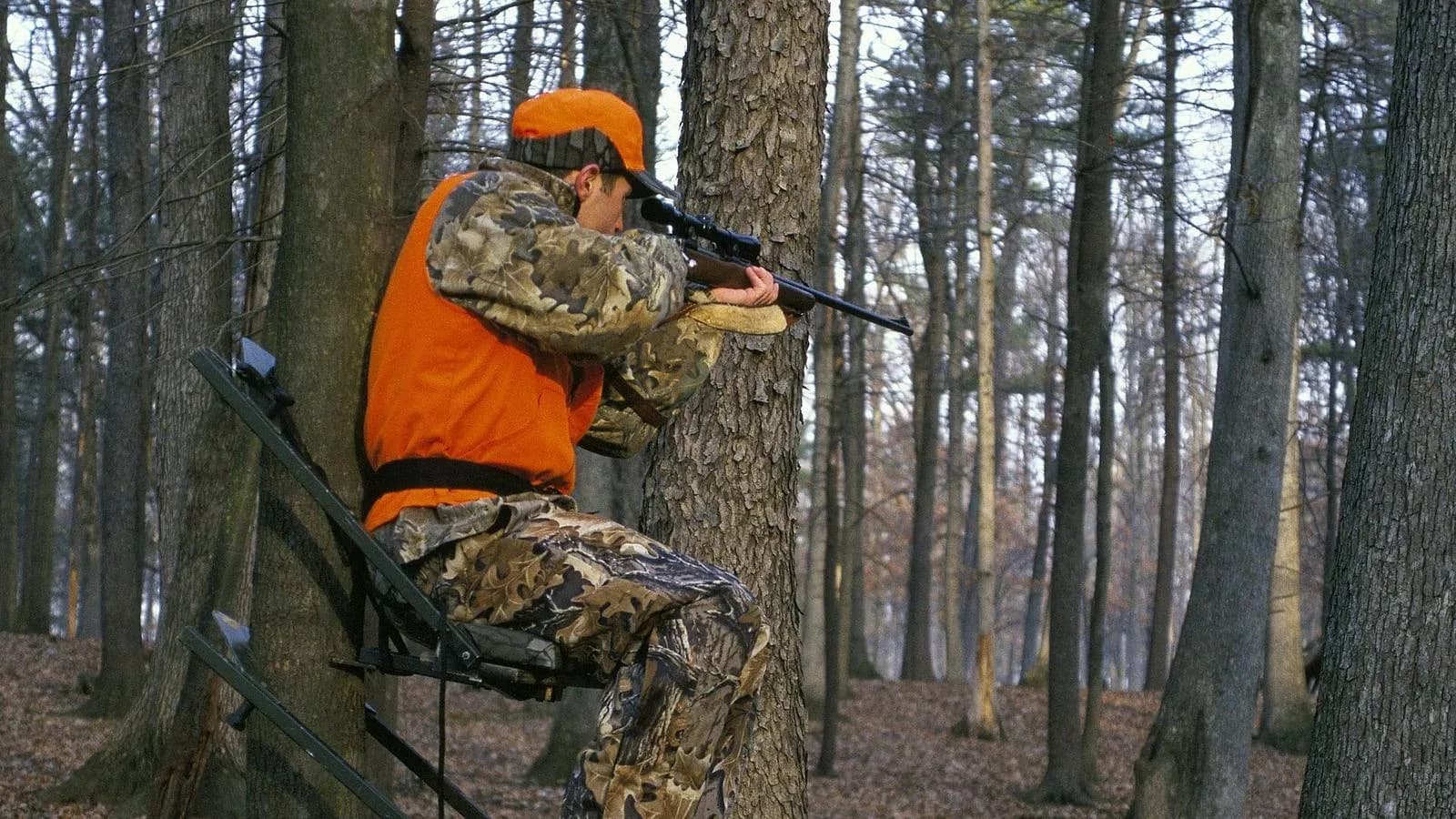
Texas Hunting Incidents Rose to 26 Last Year. What the State Report Says Hunters Should Do Before Deer Season
TPWD counted 26 hunting incidents in 2025, up from 19 the year before. Most involved a victim out of sight or moving into the line of fire, and two tree stand falls added to the toll.
Texas deer hunters are heading to the woods. The youth-only weekend is underway, and the general season opens Nov. 7, as we reported earlier this month. Before you climb into a stand, the state's own numbers are worth a look.
Texas Parks and Wildlife recorded 26 hunting incidents in 2025, one of them fatal, according to the agency's 2025 Texas Hunting Accident Report. That was up from 19 in 2024 and 11 in 2023. The state sold 1,254,937 hunting licenses last year, which works out to 2.1 incidents per 100,000 licenses.
This story is based on TPWD's own report and safety guidance.
What went wrong
The leading cause was a victim who was out of the shooter's sight or moved into the line of fire. That accounted for 12 incidents, or 46 percent, the report says.
Dove hunting, not deer hunting, led the list, with 11 incidents, four of them on the opening weekend. Shotguns were involved in 16 of the 26 incidents. Seven were self-inflicted.
The report's profile of last year's incidents is plain: victims were not wearing hunter orange, almost half of those involved had not completed hunter education, most shooters had more than 10 years of hunting experience, and many incidents happened at or after dusk, with fatigue a factor. It also notes the first alcohol-related incident in four years.
Experience, in other words, is no guarantee. Most of these were not beginners.
The one fatal incident
The single death came on Nov. 14 in Marion County. A 45-year-old man had returned to camp after a deer hunt and reached into the back seat of a vehicle for his shotgun when the trigger caught on the bolt of another rifle, the report says. The shotgun fired and struck him in the chest.
TPWD's prevention advice is simple: always point the muzzle in a safe direction, and always unload when you are no longer hunting, including when you put a gun in a vehicle.
Falls are part of the toll
The report also lists injuries that did not involve a gun or bow. On Oct. 12, a hunter climbing a tree with a saddle system missed clipping himself in and fell, breaking his ankle. On Dec. 23, a hunter fell from a ladder stand when a strap broke, fracturing his pelvis in four places. He was not wearing a safety harness.
A third case is a reminder for older hunters and their families. On Oct. 21, a 79-year-old man became disoriented on his way to his hunting spot, got lost and fell several times, suffering a head injury. He was found later, disoriented and dehydrated.
What TPWD recommends in a stand
TPWD's hunter education guidance on elevated stands says to always use three points of contact on a ladder or climbing device, either two feet and one hand or two hands and one foot. Steps can be slippery with morning dew.
Unload your firearm completely before climbing. In tree stands, always use a Treestand Manufacturers Association approved fall arrest system while getting in, getting out and hunting. It has three parts: a full body harness, a tether and a tree belt attached above your head with as little slack as possible.
Even a short time hanging in a harness can cut off blood flow from the legs, a life-threatening condition called suspension trauma. TPWD says to adjust and practice with the suspension relief strap that comes with the system so you can stand in it if you fall. Practice setting the whole system up at ground level before the hunt.
Hunter education works
The long view is encouraging. During Texas' voluntary hunter education era, from 1972 through 1987, the state averaged 7.5 incidents per 100,000 licenses. Since hunter education became mandatory in 1988, the average has been 3.1, TPWD says. The agency certified 57,537 hunter education students in 2025.
A fair word
Hunting is a good tradition, passed from parents to children and handled with respect for life and for the people beside you. Identify your target and what is beyond it, wear your orange, clip in, and unload before you walk back to the truck. The goal of every hunt is that everyone comes home.