Boom Is Building a Supersonic Airliner. AI Data Centers May Pay for It.
Boom Supersonic's Superpower data-center turbine shares roughly 80 percent of its hardware with the Symphony jet engine, turning AI power demand into a funding and testing engine for a planned Mach 1.7 airliner. Texas plays a role too.
Boom's data-center turbine shares its core with the Symphony jet engine, creating revenue and reliability data for a planned supersonic airliner. Texas gets a role too.
Commercial airplanes have improved at almost everything except getting passengers there faster. The first generation of successful jetliners began crossing the Atlantic in the late 1950s at roughly Mach 0.8. Modern long-distance jets are safer, quieter, more efficient and far more reliable, but their normal cruising speeds remain in approximately the same neighborhood. We added satellite navigation, composite materials, quieter cabins, better weather radar, seatback screens and Wi-Fi. New York to London still takes about seven hours.
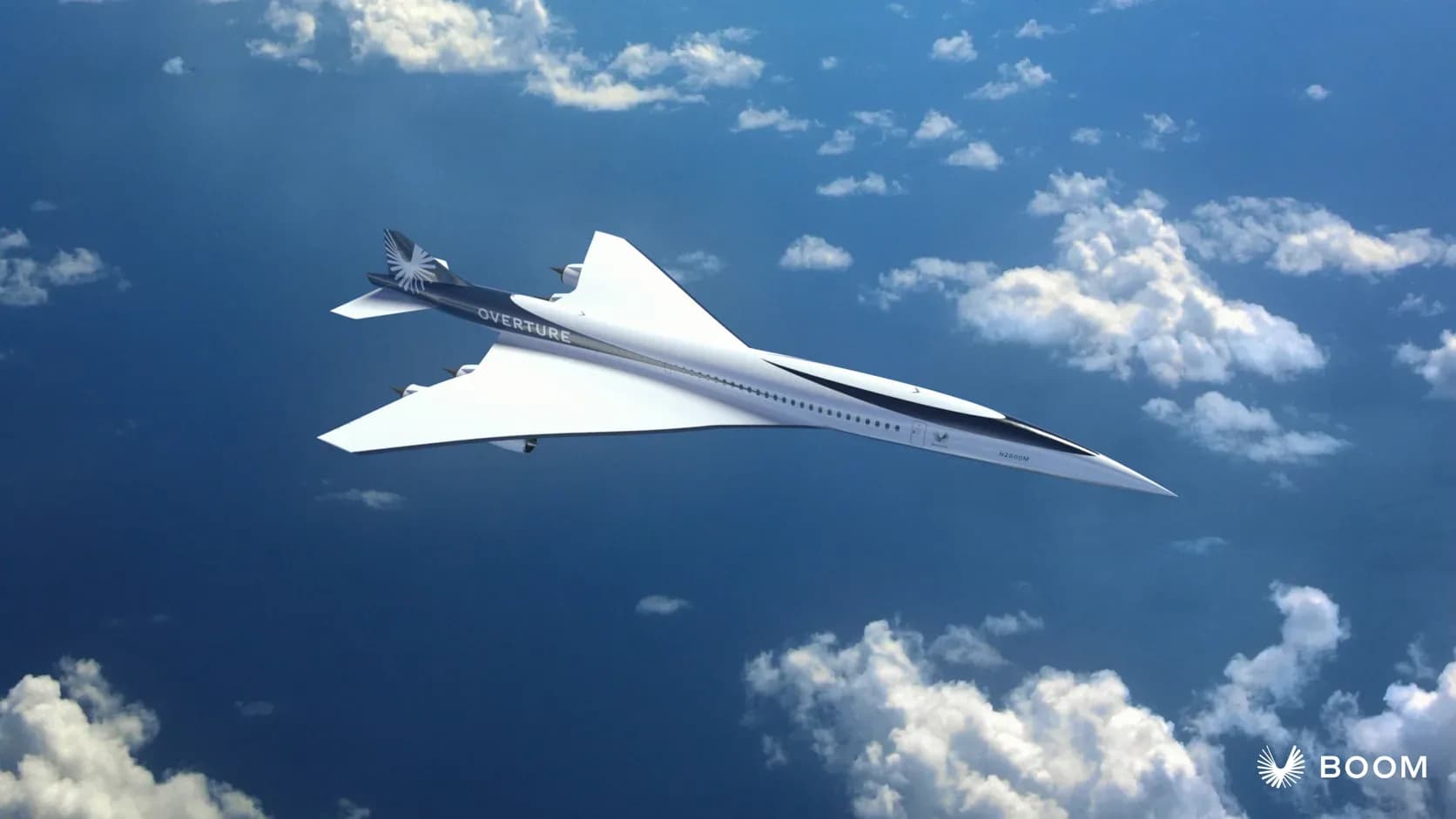
Boom Supersonic is trying to break that pattern with Overture, a proposed 60-to-80-passenger airliner designed to cruise at Mach 1.7. The company says the aircraft could cut a New York-to-London trip to approximately three hours and 40 minutes. The airplane has not been built, certified or placed into passenger service. But Boom has already flown a smaller demonstrator faster than sound, completed a factory for Overture and begun developing the engine that would power it.
Then the company made an unexpected move: It turned most of that engine into a ground-based generator for artificial-intelligence data centers. If the plan works, machines that never leave the ground could help finance, manufacture and prove the machinery needed to bring supersonic passenger travel back.
We Once Flew Faster Than We Do Now
Concorde proved that civilian passengers could cross the Atlantic at more than twice the speed of sound. It entered commercial service in 1976 and could fly between New York and London in approximately three and a half hours. It also showed why speed alone was not enough.
Concorde was expensive to operate, carried relatively few passengers and consumed large amounts of fuel. Sonic-boom restrictions prevented routine supersonic travel over populated land, limiting many useful routes. After a fatal crash in 2000, declining demand and rising costs helped bring the program to an end in 2003. Airlines returned to improving the subsonic airplane rather than making it dramatically faster.
The sonic boom was especially difficult to escape. An aircraft does not make one boom only when it crosses Mach 1. As long as it remains supersonic, pressure waves trail behind it and can reach people along the route. That is why the United States has generally prohibited routine civil flight above Mach 1 over land without special authorization.
Three Things Have Now Changed
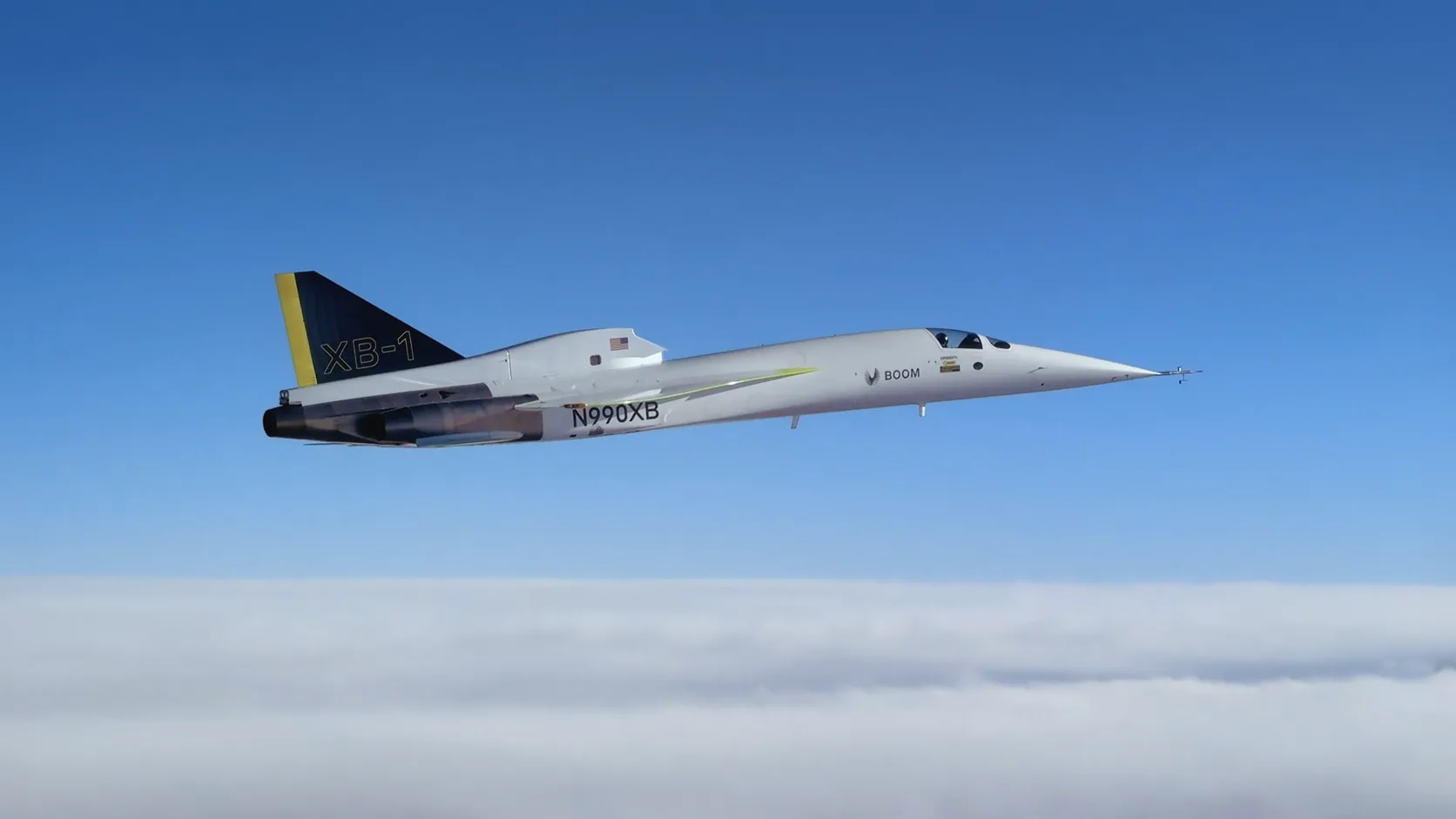
Boom's XB-1 demonstrator broke the sound barrier over California's Mojave Desert in January 2025. It reached Mach 1.122 during that flight and became the first independently developed jet to fly supersonic. XB-1 is not a small Overture and it cannot carry airline passengers. It is a technology demonstrator that allowed Boom to test aerodynamics, materials, digital flight controls, engine intakes and other systems in real supersonic flight.
NASA added another important piece in June 2026 when its experimental X-59 flew faster than sound for the first time. The unusually shaped aircraft is designed to turn the traditional explosive boom into a quieter "thump." NASA plans to use community-response data to help regulators write future noise standards.
Then the Federal Aviation Administration proposed replacing the country's longstanding blanket prohibition with a performance-based noise rule. The proposal is not final permission for supersonic airliners to cross American cities, but it signals that regulators are willing to judge future aircraft by the noise that reaches the ground rather than speed alone.
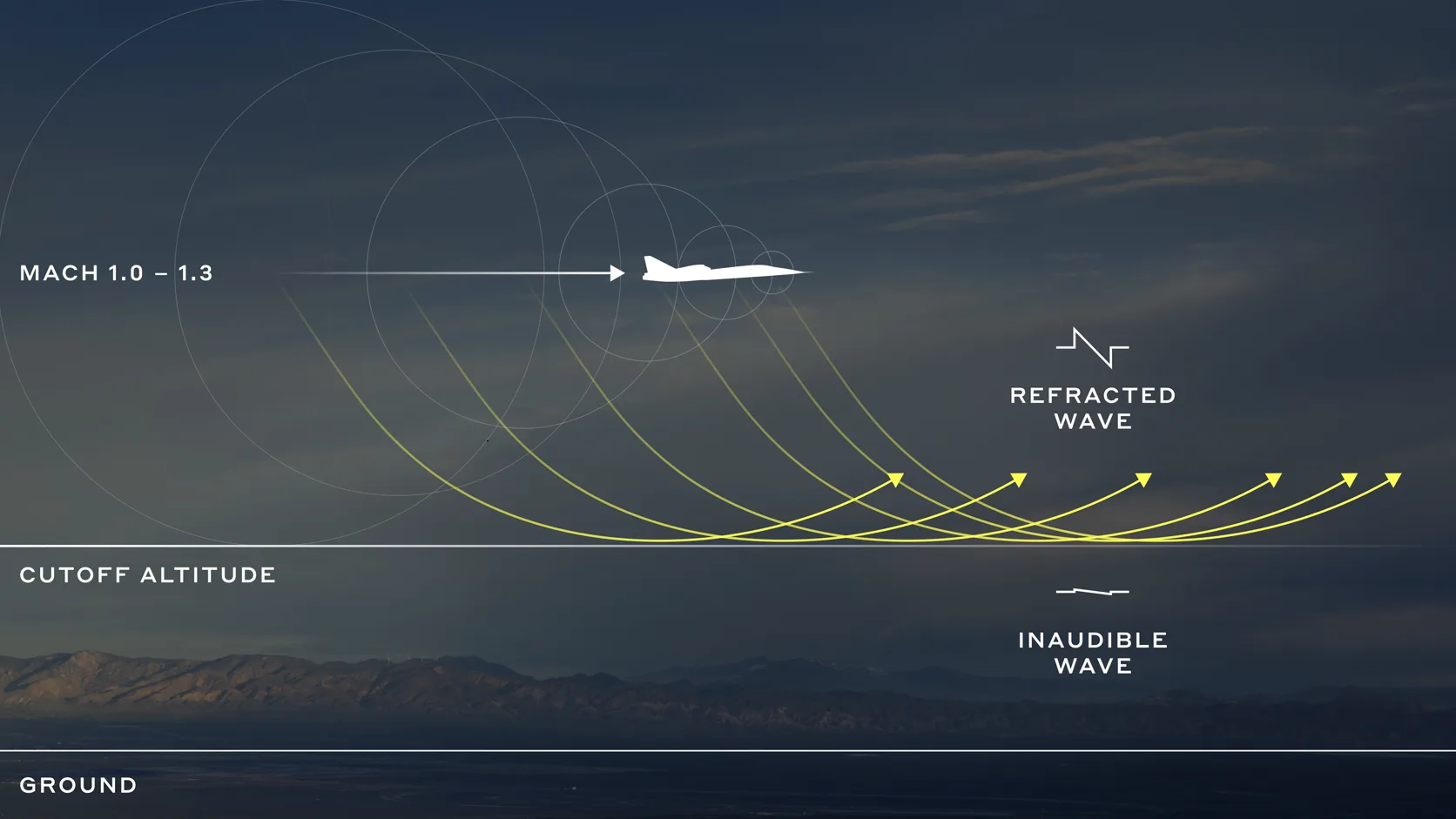
Boom is also developing a technique it calls boomless cruise. Under suitable atmospheric conditions, the aircraft would fly slightly above Mach 1 at an altitude where its pressure waves bend upward instead of reaching the ground. Over water, Overture is designed to cruise at Mach 1.7.
Together, the flight demonstrations and proposed rule change have moved supersonic travel out of the category of a distant science-fiction promise. They have not solved the hardest commercial problem: building and paying for the passenger airplane.
The Engine Was the Wall
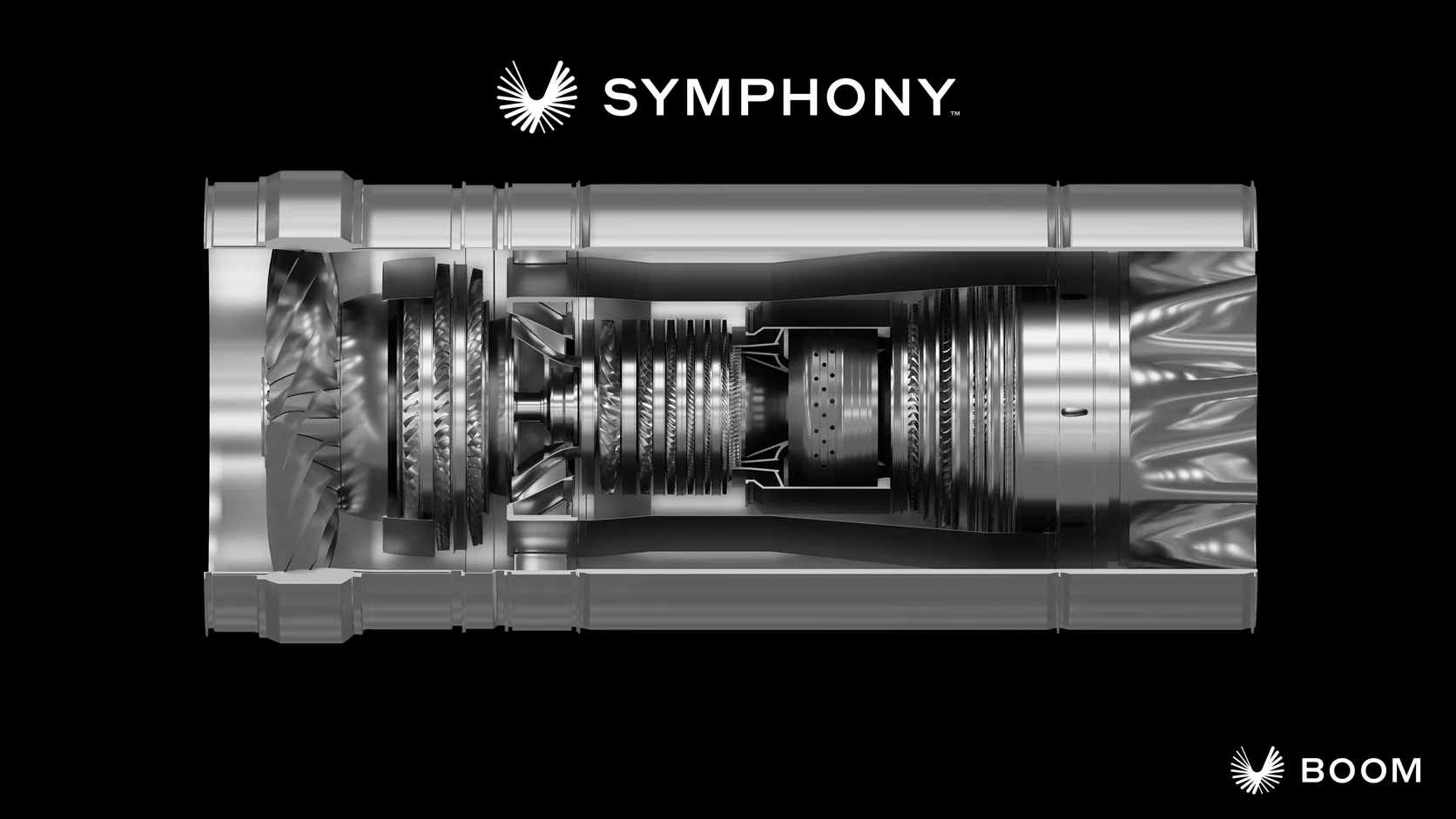
Boom could not purchase an existing commercial engine that met Overture's requirements, so it began developing a clean-sheet turbofan called Symphony. That is an enormous undertaking. Jet engines must survive heat, pressure, vibration and thousands of operating cycles while meeting strict aviation standards. Developing and certifying one can consume years and billions of dollars before the first airline passenger buys a ticket.
Boom's solution is to give the same basic engine another job. Superpower is a 42-megawatt natural-gas turbine designed to generate electricity for AI data centers. It replaces the aircraft fan and nacelle with the equipment needed to produce electricity, but Boom says approximately 80 percent of its hardware is shared with the Symphony program.
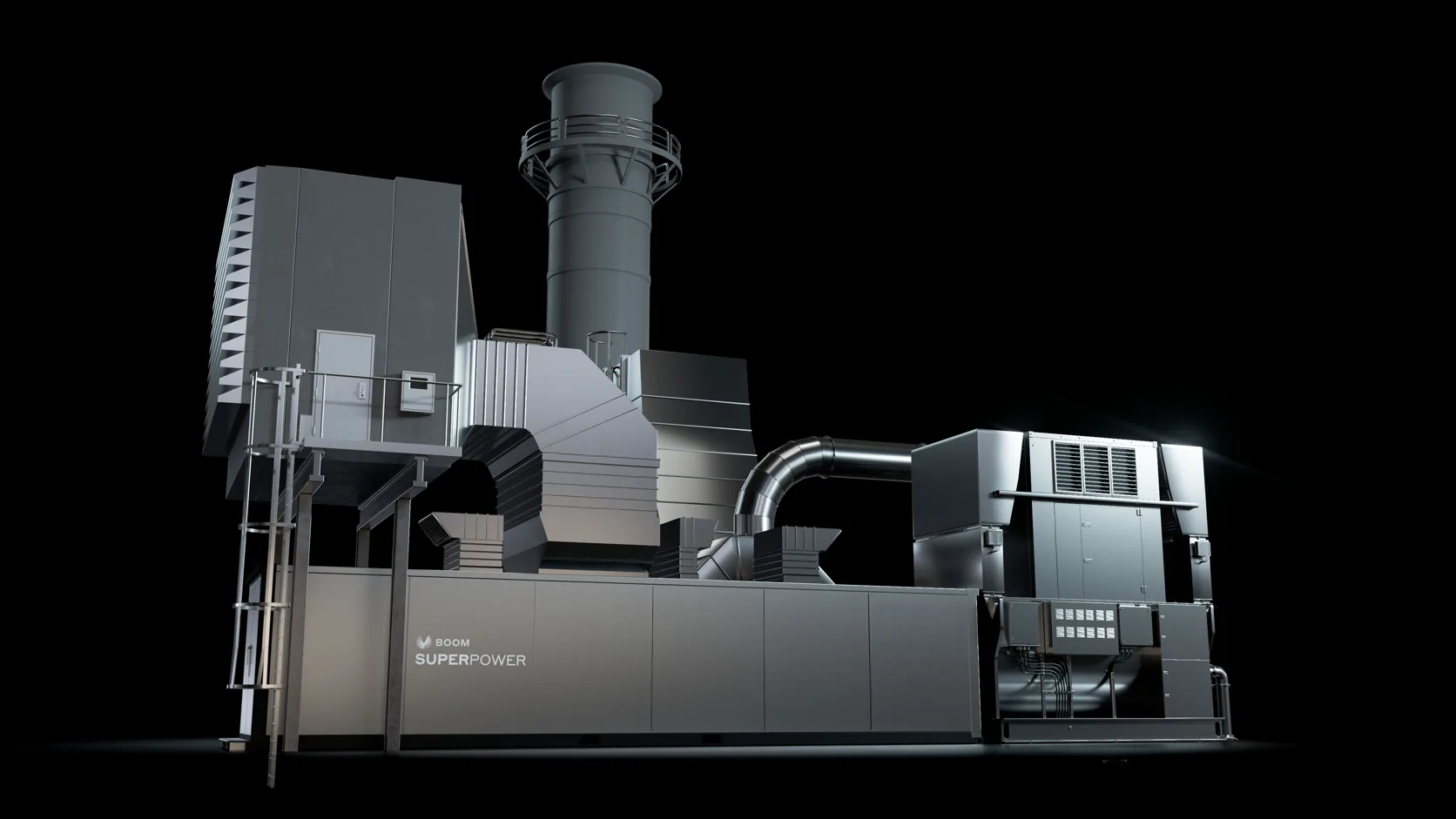
The company says the trailer-mounted turbine can maintain its full output in temperatures up to 110 degrees and operate without water. That does not mean an entire data center becomes waterless; cooling computers can still require water. It means the power turbine itself does not need it.
Two Birds, One Engine Core
The ground turbine gives Boom something aviation startups rarely receive: a second customer for the expensive machinery they are already developing. AI data centers need enormous amounts of electricity, and new grid connections can take years. Boom says Superpower can be delivered in four road-transportable modules and installed much faster than a traditional power plant.
Crusoe, an AI-infrastructure company, ordered 29 units representing 1.21 gigawatts of capacity. Boom announced a Superpower backlog exceeding $1.25 billion and a separate $300 million funding round in December 2025. The first customer deliveries are planned for 2027, so this is not yet a stream of revenue from turbines running in the field. It is an order book and a manufacturing plan.
The strategy still matters. If Superpower enters regular service, every operating hour can produce information about wear, heat, vibration, maintenance and component life in the shared core. Boom says that reliability record will help inform Symphony's development and certification. Ground operation cannot replace the flight tests and aviation certification required for a passenger engine. It can expose weaknesses earlier, create manufacturing experience and provide vastly more operating time than a small fleet of experimental aircraft could accumulate by itself.
Instead of building an engine that earns nothing until an airliner is approved, Boom is attempting to sell much of the same machinery into a market that needs power now.
San Antonio Gets Part of the Airplane
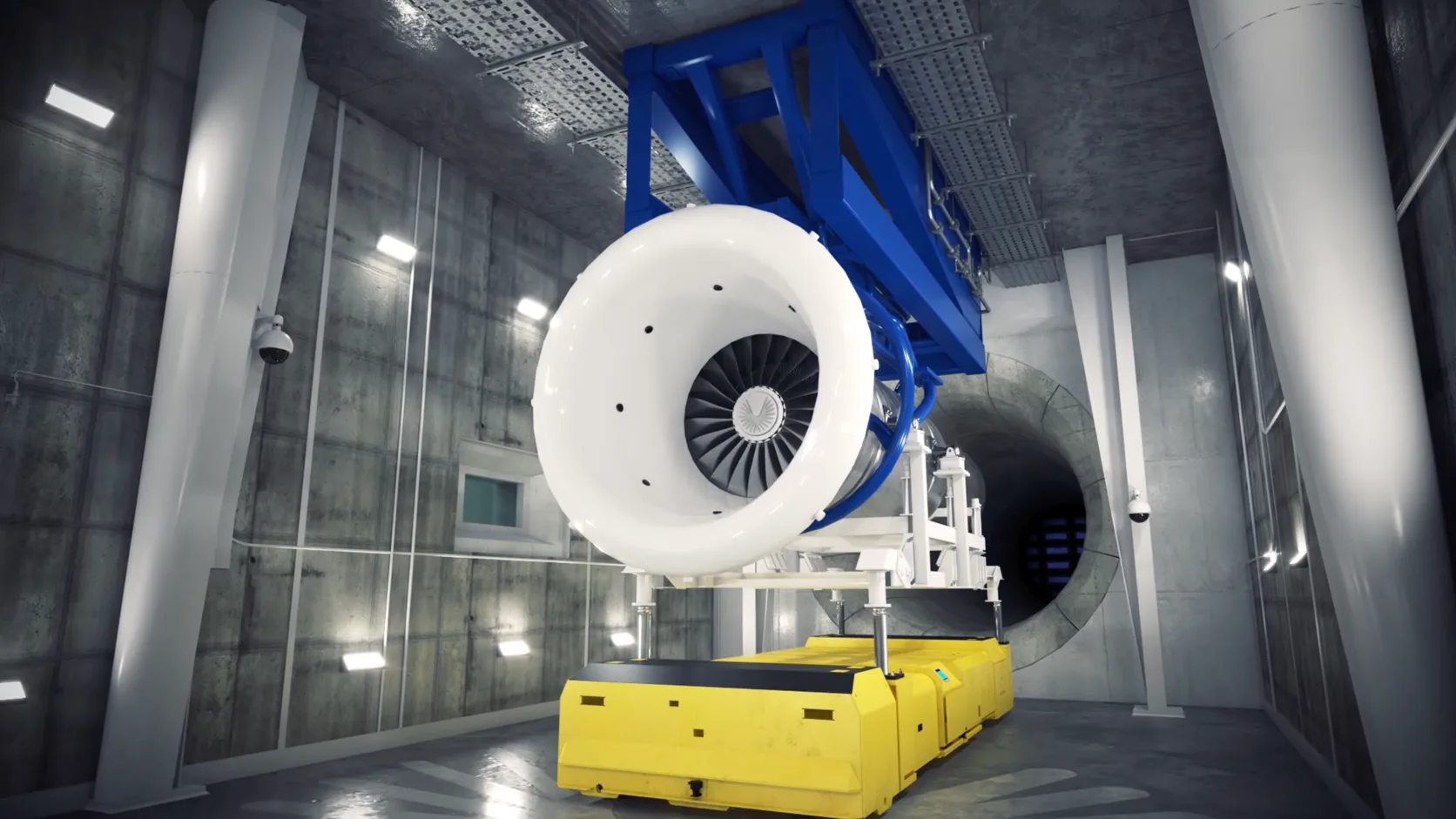
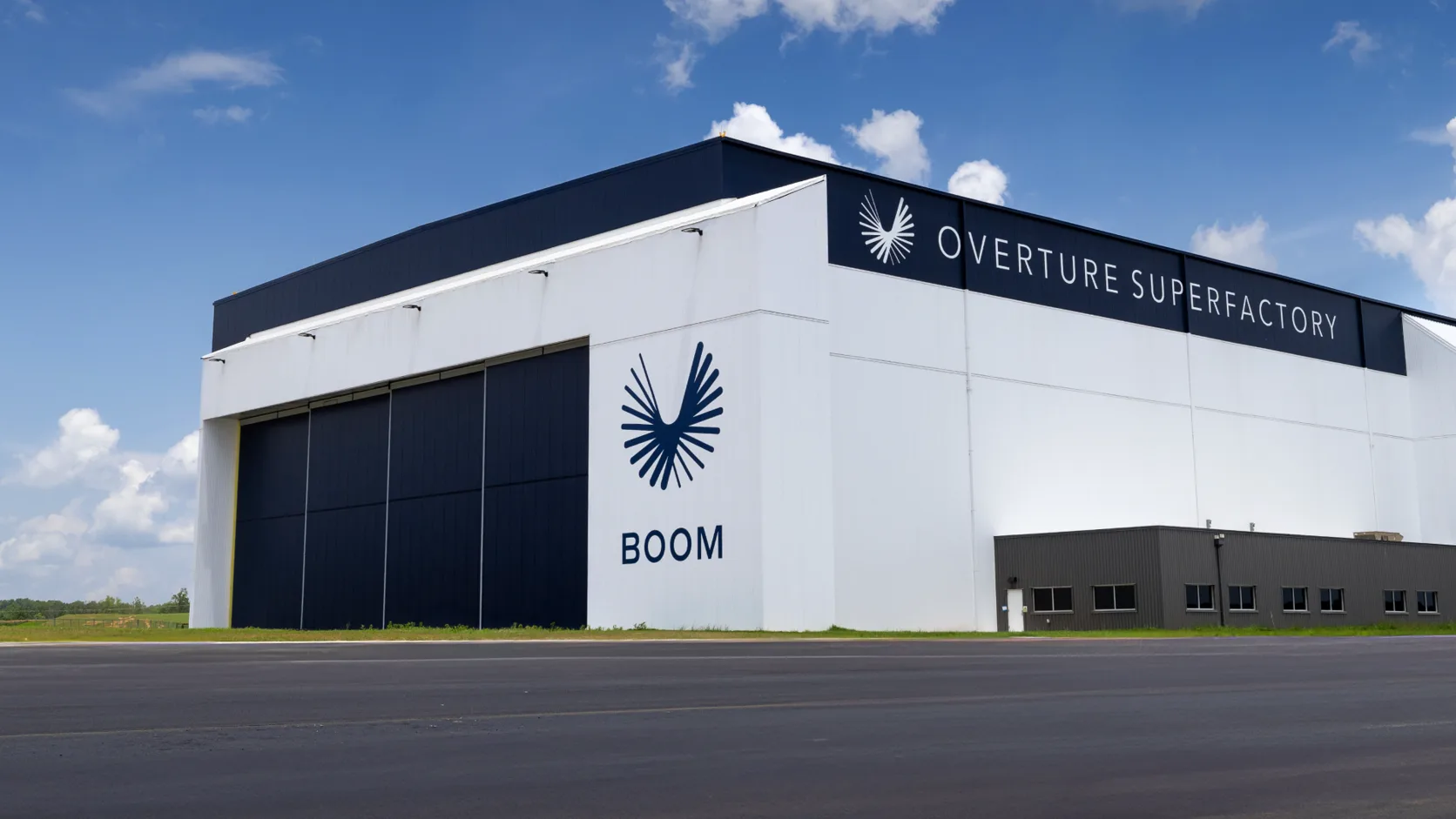
Texas has a place in the plan. Boom selected StandardAero's San Antonio facility for final assembly and testing of production Symphony engines. The aircraft itself is planned for assembly at Boom's completed Overture Superfactory in Greensboro, North Carolina, while development and much of the engine work remain centered in Colorado.
If Overture reaches production, the engines that push it beyond the speed of sound will pass through San Antonio. That connection also shows how widely the program has spread before the first passenger aircraft exists. Boom has a demonstrator that flew in California, an aircraft factory in North Carolina, engine development in Colorado and a planned production partner in Texas.
Clever Does Not Mean Certain
Boom's plan solves several problems at once, but it does not remove the risk. Overture remains a proposed aircraft. Symphony is still under development. The FAA's overland rule is still a proposal, airline orders and preorders are not delivered airplanes, and the economics of operating a small premium supersonic jet have not been proven.
There are environmental questions as well. Superpower burns natural gas, and Overture's plan depends heavily on sustainable aviation fuel that remains more expensive and less available than conventional jet fuel. The data-center business could strengthen the aviation program by funding shared work and producing reliability data. It could also compete for management attention and capital.
The real test will be whether the ground turbines reach customers on schedule while Symphony continues moving toward flight.
Still, Boom now has more than a rendering and a promise. It has flown a piloted supersonic demonstrator, built an aircraft factory, attracted airline interest, begun producing turbine hardware and found a second market for the heart of its engine. We do not yet know whether Overture will carry passengers at Mach 1.7. But the next leap in air travel may be financed—and stress-tested—by engines that never leave the ground.