DoorDash Agrees to Buy Instacart for $17 Billion. Bigger Is Not Always Better for the Family Table.
DoorDash will pay $65 a share for Instacart, a 26% premium, in a mostly cash deal expected to close in late 2027 or 2028 pending antitrust review in the U.S., Canada and Israel.
The facts come first below. My opinion follows in the section marked as opinion.
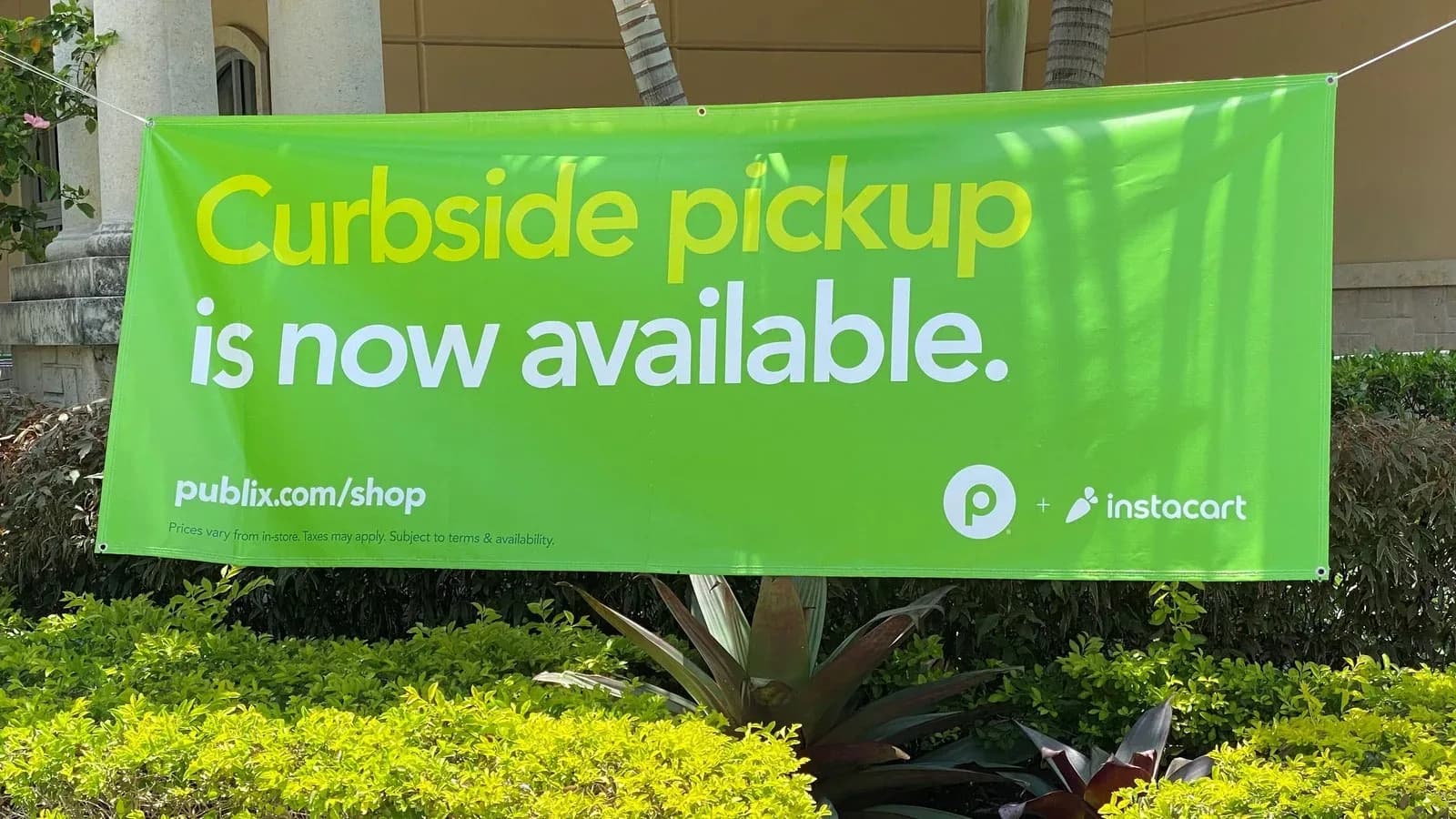
DoorDash has agreed to buy Instacart for about $17 billion, uniting the country's largest delivery platform with a leading grocery delivery service. DoorDash will pay $65 a share, a 26% premium to Instacart's closing price on Oct. 22, the last trading day before media reports of a possible deal, the companies announced Thursday. At least 75% of the price will be paid in cash, and Instacart's board unanimously approved the agreement.
The deal is expected to close at the end of 2027 or in the first half of 2028. It requires approval by Instacart stockholders and the expiration of the federal antitrust waiting period under the Hart-Scott-Rodino Act, along with regulatory approvals in Canada and Israel, according to the announcement. Shares of DoorDash jumped more than 6% in morning trading Thursday, while Instacart traded near the flatline, CNBC reported.
Two giants, one roof
DoorDash, founded in San Francisco in 2013, began in restaurant delivery and now operates in 40 countries. It completed more than 3 billion orders last year using a network of 9 million independent delivery workers. Instacart, founded in 2012, delivers from grocery and convenience stores in the United States and Canada; its 600,000 shoppers, who are independent contractors, completed 338 million orders last year, the Associated Press reported.
DoorDash has been winning the market. Five years ago, Instacart had 26% of spending on U.S. delivery platforms, and that share has fallen to 18%, while DoorDash's grew from 44% to 59%, according to Consumer Edge figures cited by the AP. Uber Eats held steady at just under 20%.
DoorDash said it will keep Instacart's brand and app. It said Instacart customers could shop at more than 50,000 additional stores, and that members of DashPass and Instacart+ would pay one fee instead of two, saving an estimated $100 million a year. The company also promised no grocery exclusivity, so local grocers can work with any delivery platform, according to the announcement.
"Grocery is one of the hardest things to get right online. Someone has to pick a ripe avocado, find a substitute you'd choose yourself, and get the ice cream to you before it melts," DoorDash CEO Tony Xu said in a statement quoted by the AP.
Antitrust questions
Analysts have noted that a combination could draw antitrust scrutiny given the companies' overlap. Third-party delivery platforms "remain a minority of total grocery consumption, but slicing and dicing the online market more narrowly or from a perspective of the grocers as enterprise customers can make approvals more challenging," Wedbush analysts wrote, CNBC reported. The companies also face growing competition from Amazon and Walmart, which have pushed further into same- and next-day delivery.
Instacart has had its own troubles with regulators. In December it agreed to pay $60 million to settle Federal Trade Commission allegations that it misled users with false advertising and used "unlawful subscription enrollment" practices, according to CNBC. It is also unclear what the deal means for some partnerships: Instacart delivers from Walmart, but DoorDash stopped Walmart delivery in 2022, the AP noted.
Opinion: Bigger is not always better for the family table
I have no quarrel with a company that wins customers by doing the work well. DoorDash grew from a restaurant app into the biggest player in delivery because people chose it. That is how a free market is supposed to work, and the government should not punish success.
But a merger is different from winning in the market. It is buying the competition. If this deal closes, one company would control roughly three out of every four dollars spent on U.S. delivery platforms, going by the Consumer Edge numbers. That is a lot of power over what families pay for groceries at a time when food prices already strain household budgets.
DoorDash's promises are worth something. One membership instead of two, no exclusive deals with grocers, and more stores for shoppers would all help. But promises made before a regulator signs off are easy to make and hard to enforce later. Instacart's own settlement with the FTC over subscription practices is a reminder that what companies say and what they do are not always the same.
Scripture speaks plainly about those who control the food supply: "He that withholdeth corn, the people shall curse him: but blessing shall be upon the head of him that selleth it." Feeding people well and fairly is a blessing. Squeezing them is not.
Regulators should give this deal a hard, honest look, not a political one. If the commitments are real, put them in writing as binding conditions. Families already stretched by prices, as we reported in US Economy Grows at 3.4% Pace in Third Quarter, deserve more than a press release.