Railroad Commissioner Says Texas Should Fast-Track Reuse of Oilfield Water
Wayne Christian cited new research showing treated produced water from the Permian can be cleaned for industrial uses like data center cooling. He wants lawmakers to close regulatory gaps.
Railroad Commissioner Wayne Christian on Thursday urged lawmakers and regulators to create a clear, fast path for industries to reuse treated produced water, the salty water that comes up with oil and gas, according to the Railroad Commission.
"Texas desperately needs more water, and our oil and gas industry sits on an ocean of it," Christian said. "If gaps in regulatory authority remain, let's close them this legislative session."
What the research shows
Christian pointed to two studies. The commission said University of Texas at Austin researchers examined treatment and desalination methods that could make produced water usable for industrial work that does not need drinking-water quality, such as cooling data centers.
The other is a 2026 water quality report from the Texas Produced Water Consortium at Texas Tech University. Researchers analyzed 60 samples from five pilot treatment projects in 2024 and 2025. According to the report, treatment removed more than 99% of salinity, organics and radioactivity. Raw water averaging about 120,000 milligrams per liter of dissolved solids came out of desalination at an average of 317.
The report compared the polished water with state drinking water limits because the Texas Commission on Environmental Quality had not yet released draft permits for discharging it or applying it to land. Of 76 limits that could be compared, more than 98% were met. The report also found some toxicity in early-stage samples, which it said shows why final polishing steps matter.
Why it matters
Cities, farms and new industries such as data centers are competing for fresh water. Our reports on who should pay for data centers' power and water and the attorney general's letters to 156 data center projects cover that fight.
The opposition
Christian said treated produced water reuse "has faced fierce opposition from the get-go." Safety questions are fair, and the consortium was set up to answer them with data. If the water can be cleaned well enough for industry, putting it to work instead of injecting it underground is good stewardship. Lawmakers should write clear rules, based on the evidence, and let Texas use what it has.
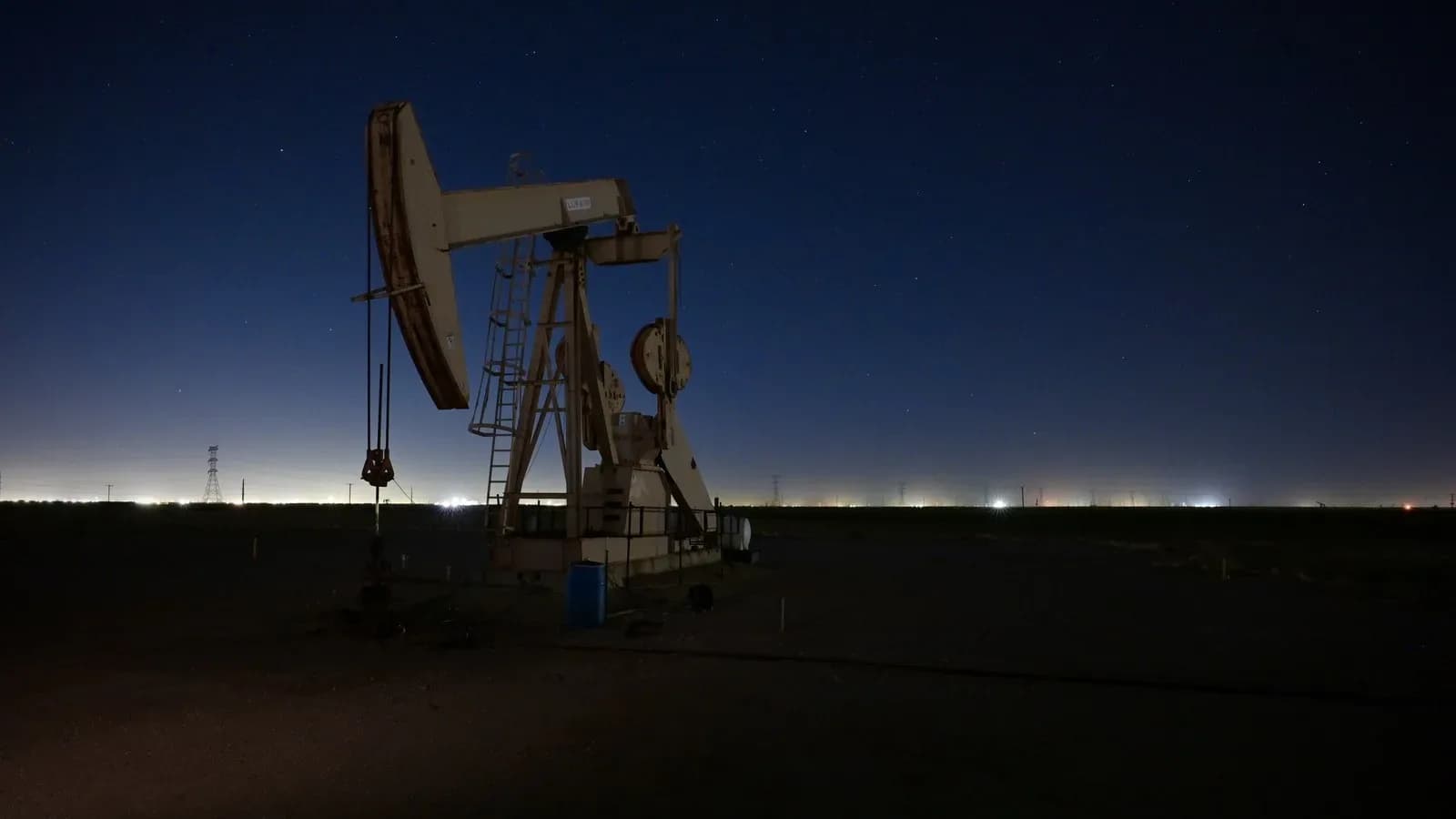
Hero photo: Maxx@night / Wikimedia Commons, CC BY 2.0 (license).