Texas Paid a Record $41 Million Toward Last Year's Austin F1 Race as the Certified Crowd Shrank
Formula 1 returns to Circuit of the Americas this week. State records show Texas paid $40.98 million toward the 2025 U.S. Grand Prix, the most since at least 2015, even as the attendance certified to the state fell for a fourth straight year.
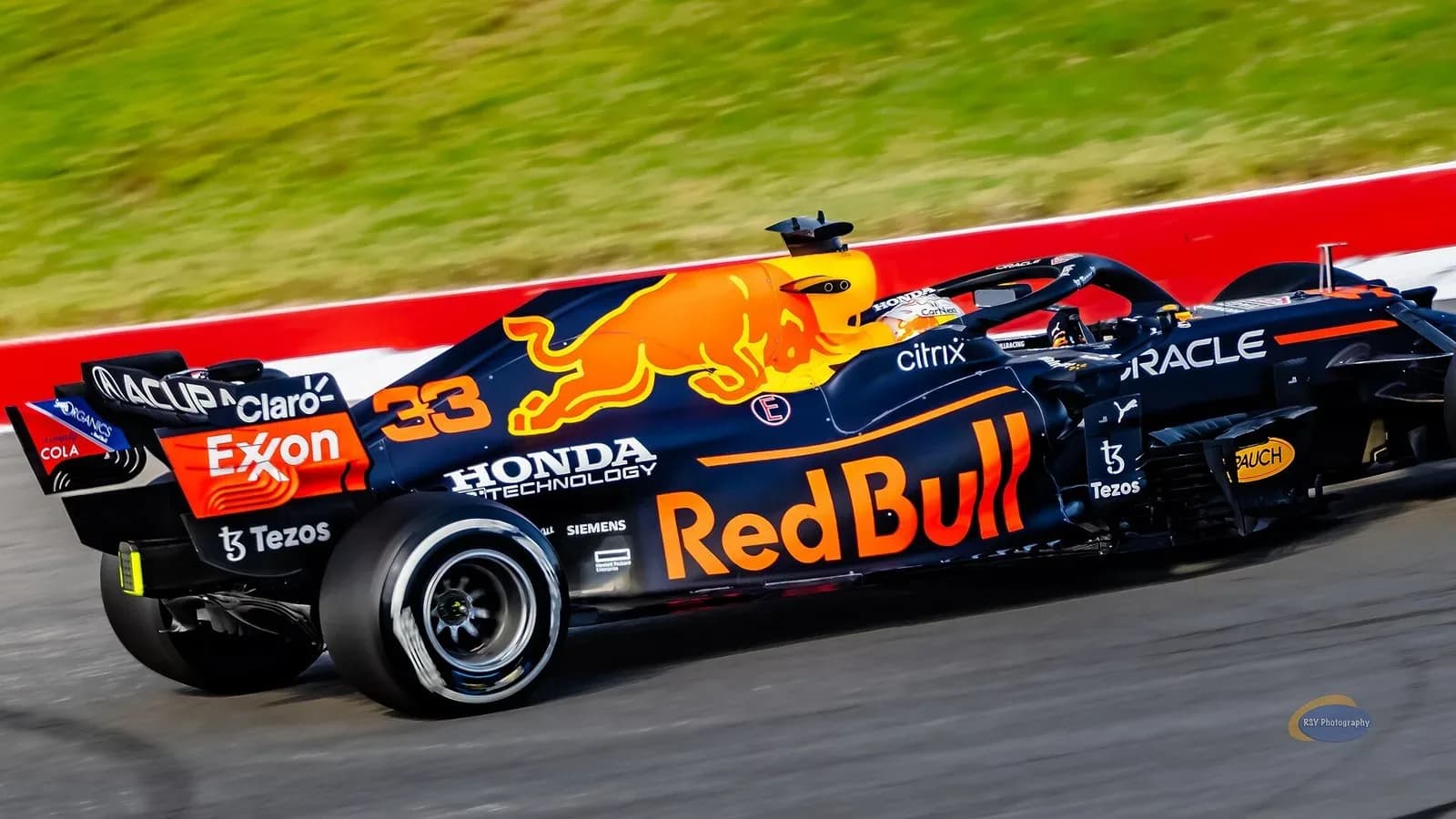
Formula 1 is back at Circuit of the Americas southeast of Austin this week, with the U.S. Grand Prix running Oct. 22-25. Texas taxpayers have a stake in it, and the bill keeps growing.
The state paid $40,977,419 toward last year’s race, according to the Events Trust Funds award spreadsheet the governor’s office updated Sept. 30. The money came through the Major Events Reimbursement Program, part of the governor’s Event Trust Funds Program, and arrived April 15. It is the largest payment for any U.S. Grand Prix in the spreadsheet, which starts with the 2015 race. The racing site PaddockIntel reported the figure Monday. Dock Line checked it against the state’s file.
More money, fewer certified fans
The same spreadsheet shows the crowd going the other way. Attendance certified to the state was 136,841 in 2021, 135,859 in 2022, 123,916 in 2023, 121,229 in 2024 and 113,157 in 2025. That is four straight drops and about 17 percent overall. The organizer had estimated 136,060 for last year.
Payments went up over the same stretch: $35.5 million for 2021, $40.3 million for 2022, $38.3 million for 2023, $38.5 million for 2024 and $41 million for 2025.
For this week’s race, the application on file estimates 110,320 attendees. Those are the state’s numbers, not the weekend crowd counts the sport promotes. Track officials have claimed more than 400,000 fans for some race weekends, KSAT reported.
How the formula works
The payment is not a ticket subsidy. Under the program guidelines, each event’s fund is sized on the estimated increase in state tax receipts the event brings to the local market. Only five taxes count: sales and use, hotel occupancy, vehicle rental, mixed beverage, and wholesale alcohol under Title 5 of the Alcoholic Beverage Code. A local partner pays in first, and the state matches it at 6.25 to 1. The money reimburses eligible costs of putting on the event.
Attendance acts as a check, not the formula. If actual attendance comes in 25 percent or more below the estimate, the state may cut the fund in proportion. Last year’s shortfall against the estimate was about 17 percent, inside that line.
What drives the number is who comes and how much they spend. The share of certified fans from outside Texas rose from 50.57 percent in 2015 to 72.78 percent in 2025, the spreadsheet shows. Out-of-state visitors pay hotel and rental car taxes that locals do not, and those taxes are what the formula counts.
The long view
Adding up the spreadsheet’s Grand Prix payments for 2015 through 2025 comes to about $296 million over nine races. There is no 2020 race and no 2018 payment. In 2019, Gov. Greg Abbott’s office said the track had missed the deadline to file a required human trafficking prevention plan 30 days before the 2018 race. "The law is very clear," the office said then, according to the Austin Monitor.
Last October, Formula 1 extended the race at COTA through 2034. Since 2012, the state has paid more than $300 million to help cover F1’s fee, KSAT reported. Formula 1 says the race has produced about $7 billion in economic impact for Austin and Texas, a figure from the sport, not the state.
Is it worth it?
There is a fair case for the program. The money is tied to new tax revenue the state estimates it would not otherwise collect, most of it from visitors. Texas does not write a blank check, and it showed with the 2018 race that it will withhold payment when the rules are broken.
But taxpayers should ask hard questions about any public money for a private event, just as they should about the Texas Enterprise Fund or worker-training deals like Samsung’s. Payments are rising while the certified crowd shrinks. Each payment rests on the state’s estimate of new tax revenue, not a count of taxes actually collected. A good steward checks that the projections hold up.
When the 2026 numbers come in next spring, watch two figures: the payout and the certified attendance. If one keeps climbing while the other keeps falling, lawmakers should explain why that is a good deal for the family paying sales tax on groceries in Amarillo.