A School Bus Passed Her Hockessin Home Every Day. Her Mother Changed America.
A school bus passed Shirley Bulah's Hockessin home each day, but she could not ride. Her mother's fight became part of Brown v. Board of Education.
A school bus passed Shirley Bulah's Hockessin home each day, but she could not ride. Her mother's fight became part of Brown v. Board of Education.
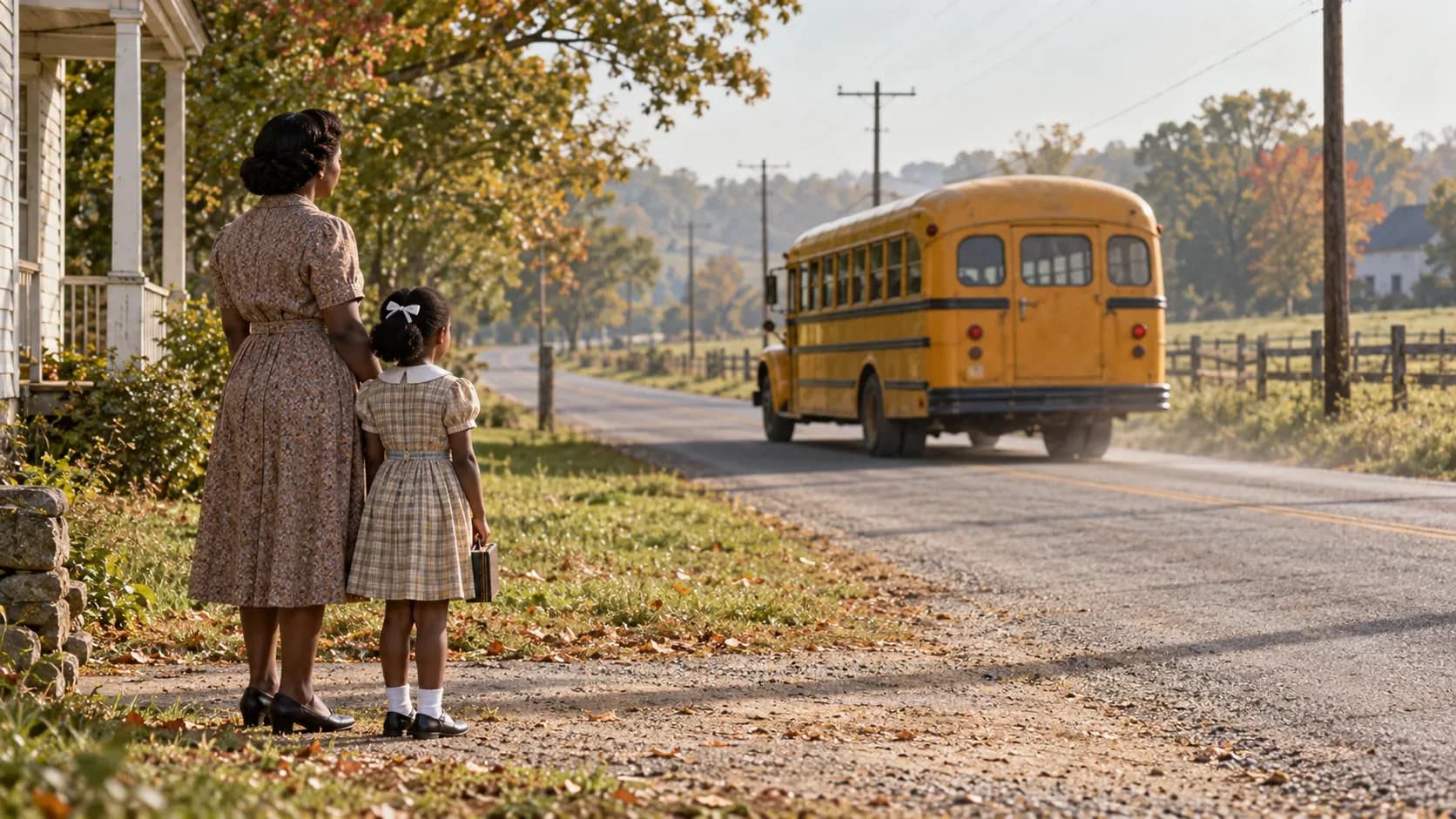
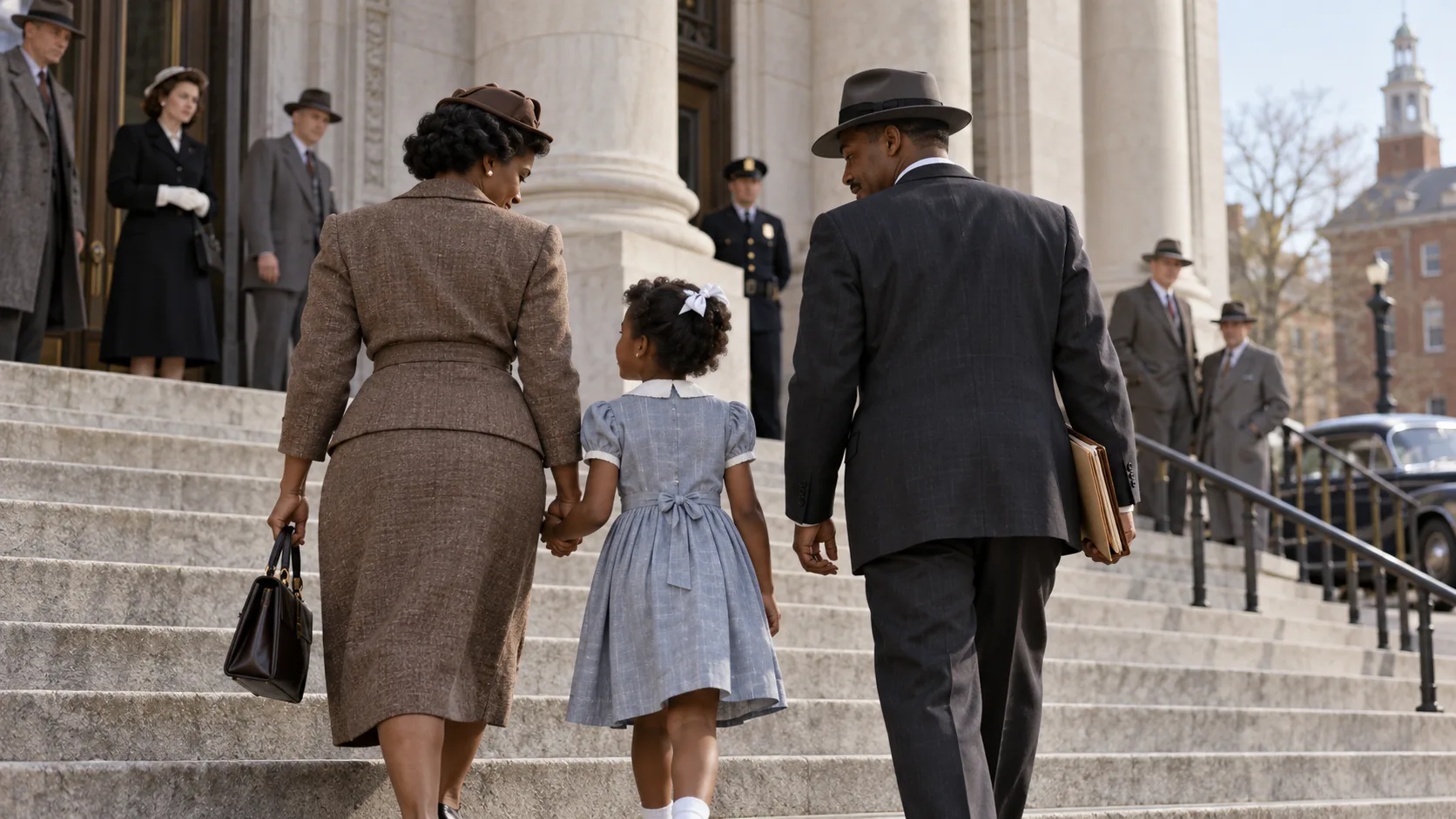
The school bus passed the Bulah family's Hockessin home twice every school day. It carried white children to their school. Shirley Barbara Bulah, a Black elementary school student, was not permitted to ride. Her school, Hockessin Colored School No. 107C, was nearly two miles away.
Her mother, Sarah Bulah, asked a straightforward question: Could Shirley ride the bus that already passed their house, or could the state provide transportation for Black children? Delaware officials said no. Sarah kept asking. The letters she and her husband, Fred, sent in 1950 eventually became the beginning of Bulah v. Gebhart, one of the Delaware cases incorporated into Brown v. Board of Education. A dispute over one child's trip to school helped produce a ruling that changed public education across the United States.
Two Schools in One Community
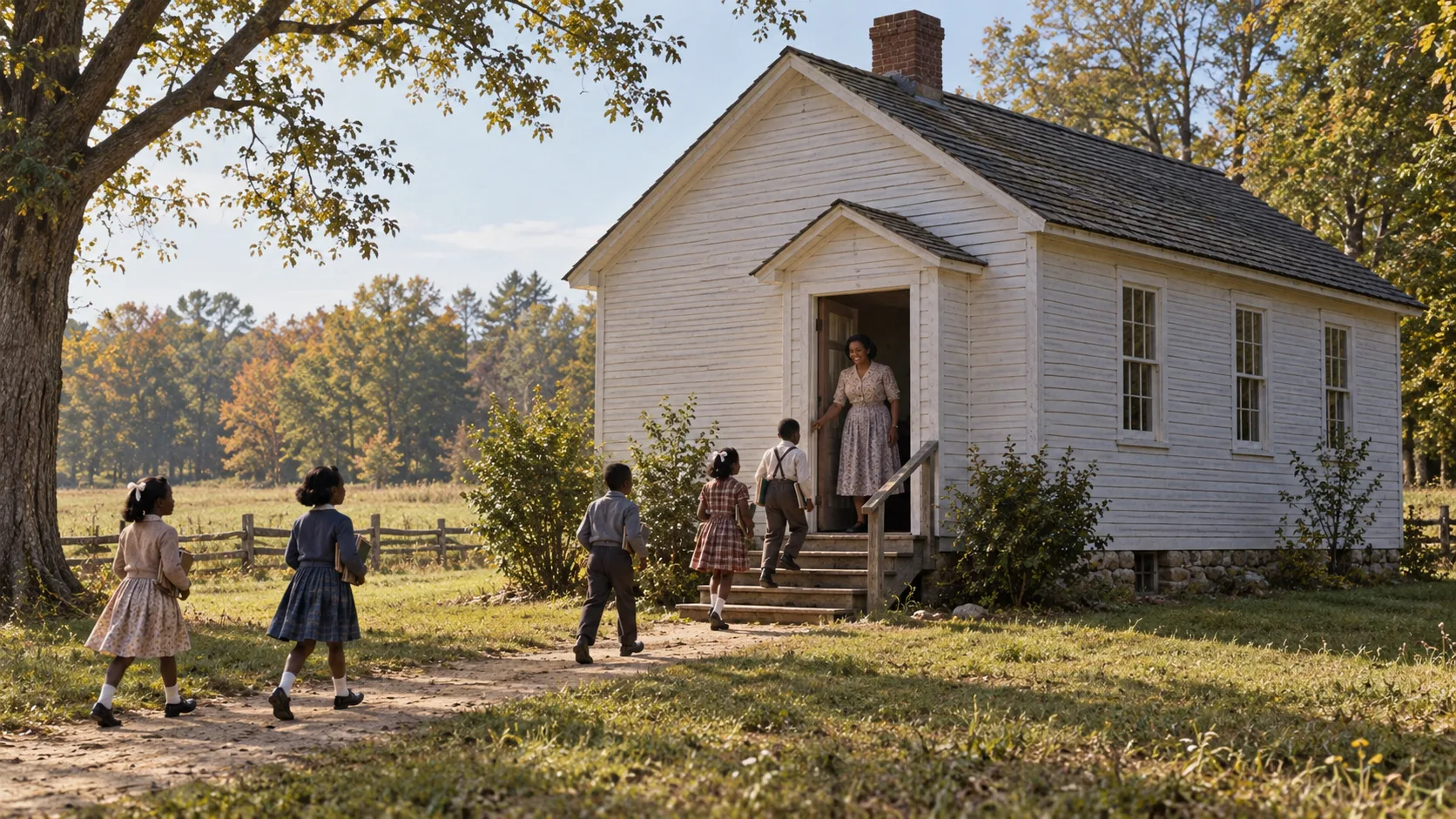
Delaware law required racial segregation in public schools at the time. Hockessin School No. 29 served white children. Hockessin Colored School No. 107C served Black children. School No. 107C had opened in 1920 with funding provided primarily by Pierre S. du Pont. It was a one-room building with one teacher responsible for six grades.
Former students have described walking long distances while white children rode buses and receiving books and supplies only after white schools had finished with them. The differences were not hidden in a distant part of the state. They existed along the same Hockessin roads and within the same small community.
The bus made the inequality impossible for the Bulah family to ignore. It passed their home, and it reportedly passed the Black school on its way to the white school. The transportation existed. The state simply restricted who could use it.
Sarah Bulah Kept Writing
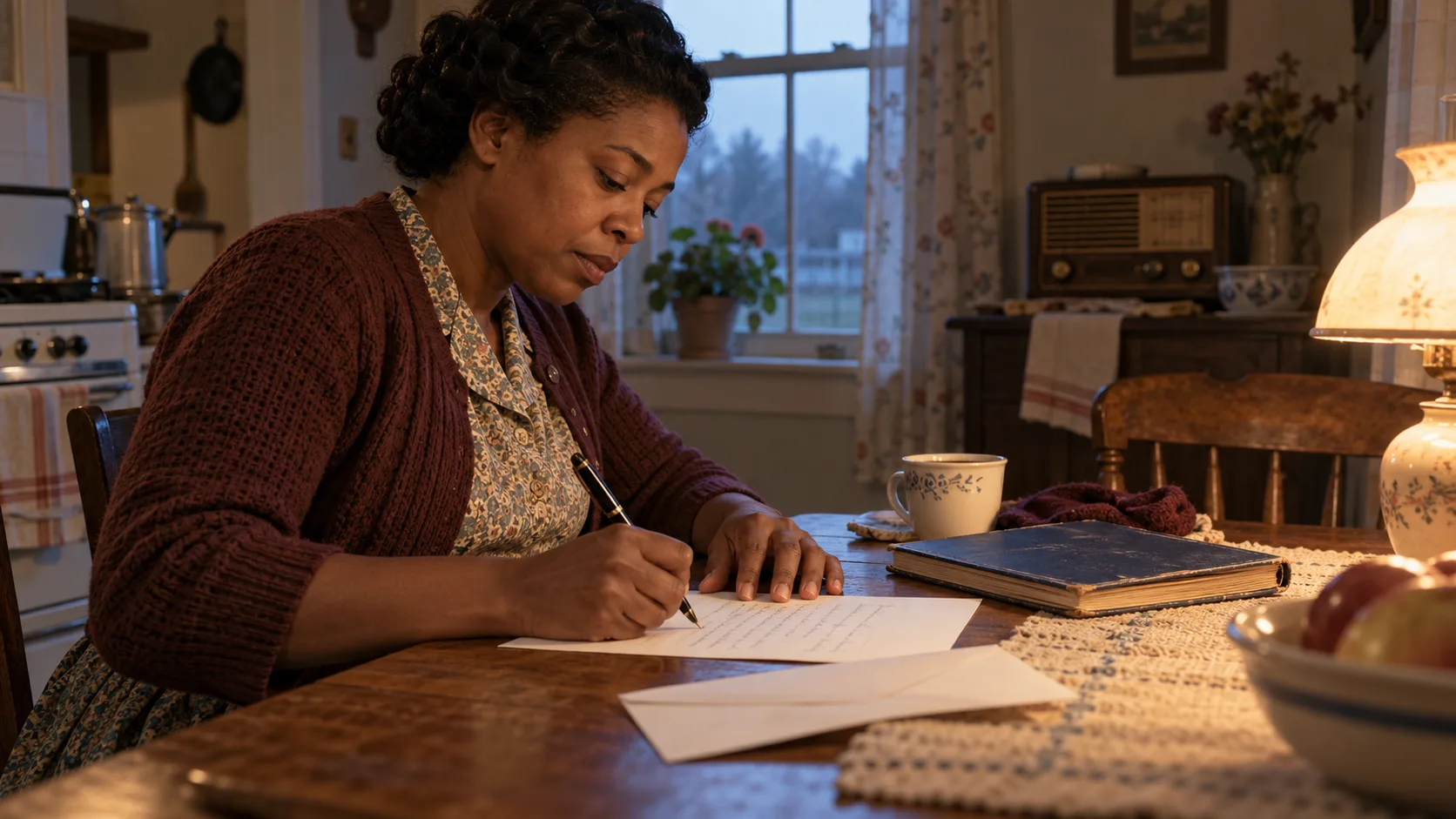
Sarah and Fred Bulah began contacting officials in the fall of 1950. Their appeals reached the Delaware Department of Public Instruction, the governor and the local school board. Sarah did not initially begin with a demand to reshape American law. She wanted her daughter transported safely to school.
The Smithsonian's account says she asked whether Shirley could share the existing bus or whether a separate bus could be provided. The requests were rejected. One state response pointed to Delaware's segregation requirements as the reason Shirley could not ride with white children.
Sarah then contacted Louis L. Redding, Delaware's first Black attorney. Redding had already challenged segregation at the University of Delaware and was working with the Wilmington branch of the NAACP. Attorney Jack Greenberg of the NAACP Legal Defense Fund later joined him. Redding did not limit the case to transportation. The lawyers sought Shirley's admission to the nearby white elementary school and argued that Delaware was denying Black students equal protection under the Fourteenth Amendment.
The Delaware Families Won
Bulah v. Gebhart was filed in the Delaware Court of Chancery and combined for trial with Belton v. Gebhart, a case brought by Black families in Claymont. The Claymont students faced a different version of the same system. A white high school stood in their community, but Black students traveled to overcrowded Howard High School in Wilmington.
The combined cases compared school buildings, transportation, class sizes, curriculum and other educational opportunities. On April 1, 1952, Chancellor Collins J. Seitz ruled that Delaware had failed to provide equal educational opportunities. He did not strike down the state's segregation laws across the board. Instead, he found that the Black schools were unequal and ordered the children named in the cases admitted immediately to the white schools in their communities.
The Delaware State Board of Education appealed. The Delaware Supreme Court upheld the order later that year. That made the Delaware litigation different from every other case that would soon be grouped under the name Brown v. Board of Education. The families in Delaware were the only plaintiffs in the five cases who had already won in the lower courts.
Hockessin Reached the Supreme Court
The U.S. Supreme Court combined the Delaware case with cases from Kansas, South Carolina, Virginia and the District of Columbia. Together, they challenged the legal foundation of segregated public education. On May 17, 1954, the Court ruled unanimously that separating children in public schools by race violated the Equal Protection Clause of the Fourteenth Amendment. The Court rejected the idea that schools could be separate and still equal.
The Delaware judgment did not need to be reversed. The Supreme Court affirmed the order requiring the children to be admitted to the previously white schools. Hockessin's place in that ruling began with the daily sight of a school bus and a mother who would not accept that her daughter was excluded from it.
Standing Up Had a Cost
Sarah Bulah did not have unanimous support at home. The Smithsonian reports that her pastor opposed the lawsuit and many Black people in the community stopped speaking to her. That part of the story matters. It is easier to celebrate a historic victory decades later than it was to risk relationships while the outcome remained uncertain.
Sarah continued despite resistance from people around her and repeated rejection from the state. Her decision also shows how national change can begin without a national platform. She started by writing letters about a practical problem affecting her child. Those letters created a record. When officials refused to act, that record helped carry the dispute into court.
The Story Remains in Hockessin
Hockessin Colored School No. 107C closed as a school in 1959, but the building still stands at 4266 Millcreek Road. It has been restored and repurposed as the Center for Diversity, Inclusion and Social Equity, where the history of the school and its students is used for education and community programs.
In August 2025, Delaware unveiled a historical marker honoring the Bulah family at Tweed's Park. The marker stands across the road from the former location of the family's home. Visitors can walk the same general area where the bus once passed and where Fred and Sarah Bulah decided that the answer they had received was not good enough.
The marker recognizes a family, but the story remains rooted in an ordinary act. A mother saw an injustice affecting her daughter. She wrote a letter, then another, and kept going when the answer did not change. America changed before the bus route did.