It Was a Rusty Pile of Scrap — Or Was It? Turns Out It Was 2,200 Years Old
It looked like a pile of corroded iron that could have gone to a scrap dealer. Instead, workers reported it — and researchers now say the find is Europe's largest known mass discovery of prehistoric iron bars.
It looked like a pile of corroded iron that could have gone to a scrap dealer. Instead, workers reported it — and researchers now say the find is Europe's largest known mass discovery of prehistoric iron bars.
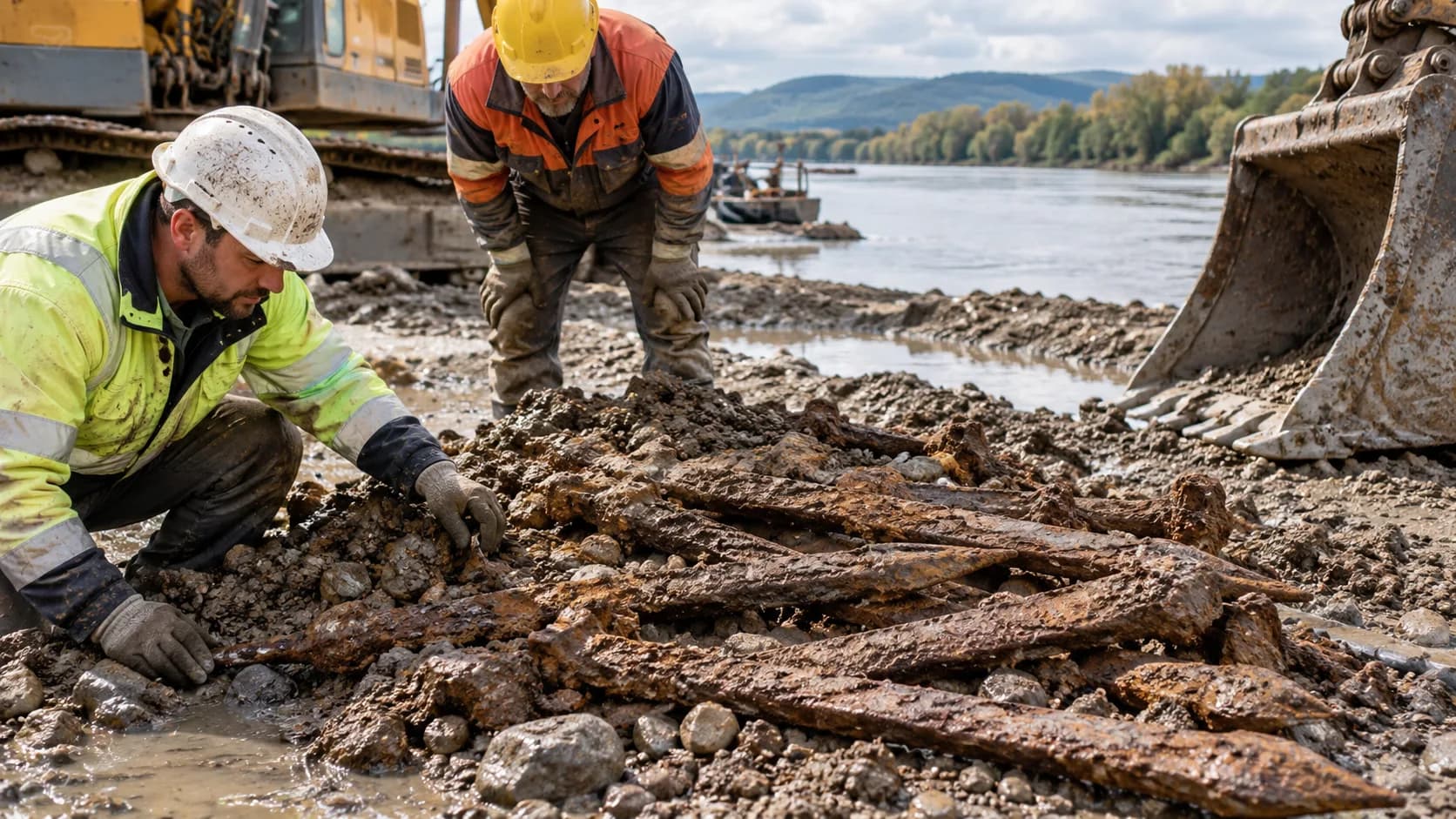
In the spring of 2019, workers extracting gravel at Deinham in Upper Austria noticed something ugly coming up with the river material: heavily corroded, double-pointed pieces of iron. They were not shiny. They were not obviously valuable. To an untrained eye, they could have looked like exactly the sort of rusty metal that gets tossed into a scrap pile.
The workers did the important thing. They reported the find instead of throwing it away.
Seven years later, researchers say that decision preserved something remarkable. A new study published in the journal Antiquity identifies the haul as the largest known mass find of prehistoric iron bars in Europe — at least 500 iron semi-products with an estimated combined weight of about 1,035 kilograms, or a little more than a metric ton. The bars date to the Late Iron Age, roughly 2,200 years ago.
The Kind of History That Is Easy to Throw Away
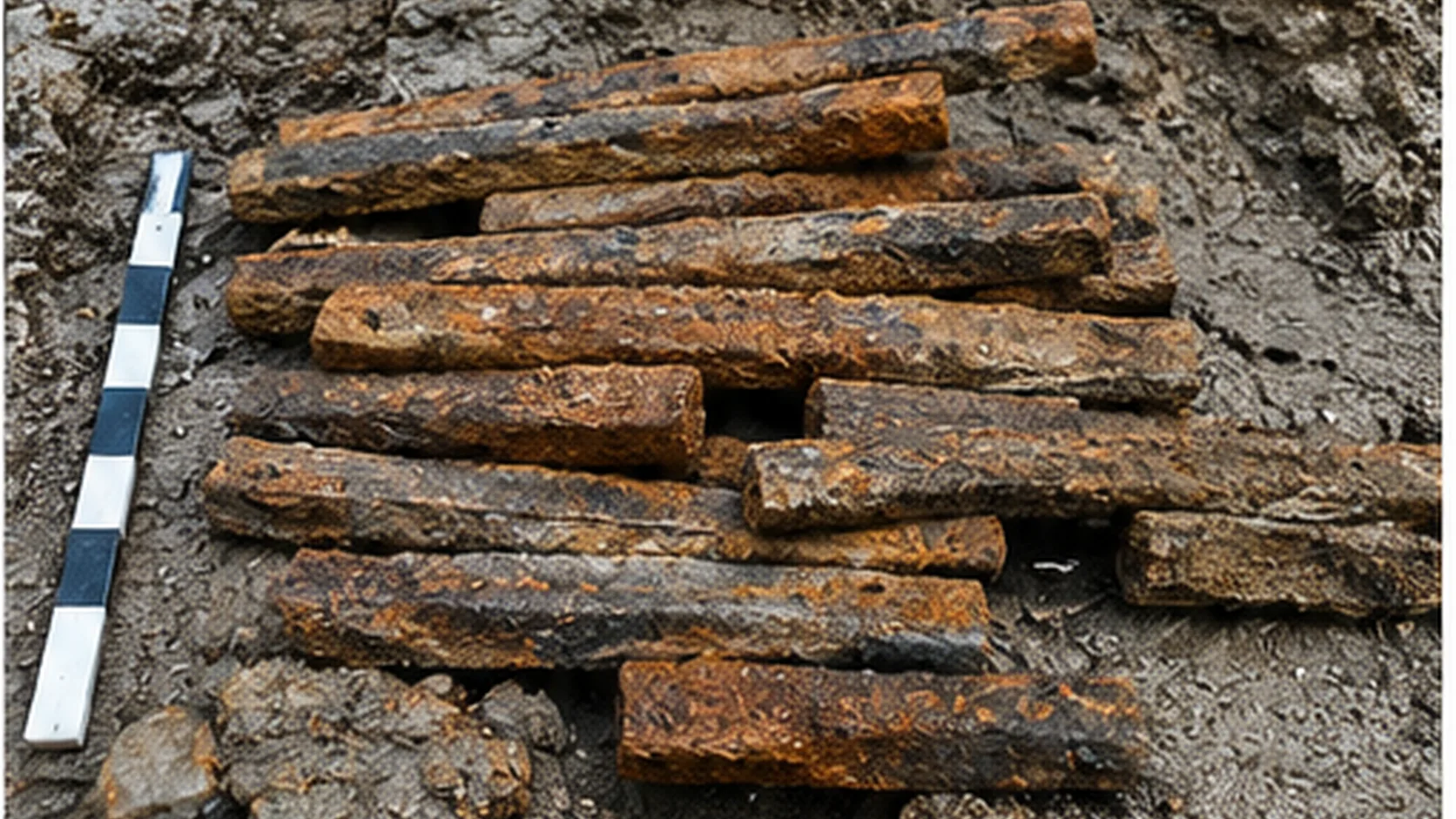
Iron does not age gracefully in a river environment. After centuries underwater, it can become a shapeless mass of corrosion. That is one reason this discovery almost disappeared before anyone understood what it was.
The researchers note that corroded iron pulled from river gravel often attracts less attention than bronze or other easier-to-recognize artifacts. Lead researcher Peter Trebsche of the University of Innsbruck described it as a minor miracle that the material did not wind up with scrap dealers.
Instead, the find was reported to Austria's Federal Monuments Office, and more iron pieces were systematically recovered from the gravel. The study records 540 fragments associated with the double-pointed bars and estimates that the original cargo represented at least 500 iron semi-products.
These Were Not Swords — Yet
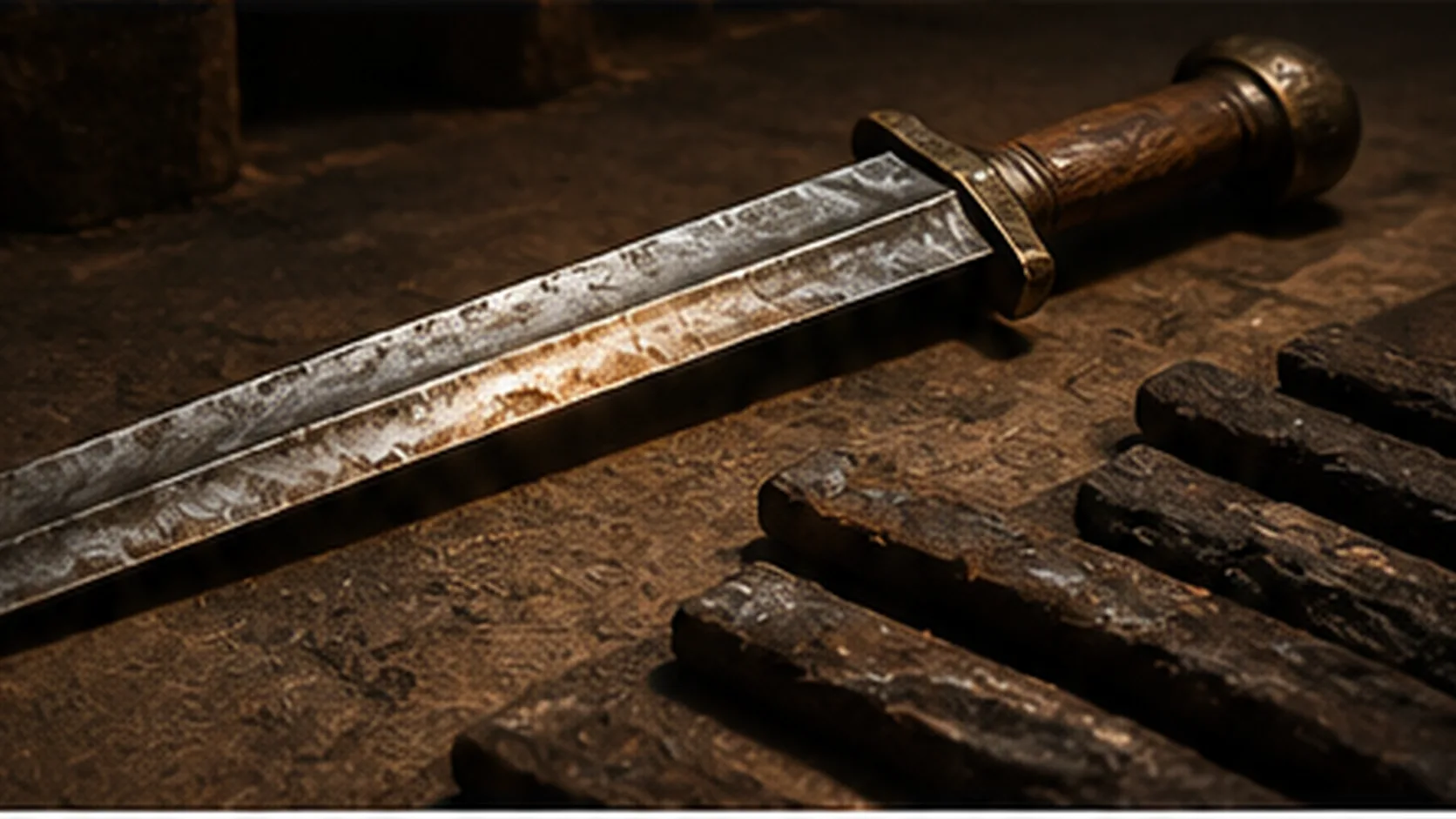
The bars were raw material: iron prepared in a form that could later be forged into finished objects. That distinction matters. Archaeologists did not discover a shipload of swords. They discovered something closer to a 2,200-year-old wholesale shipment of metal waiting for the next step in production.
Trebsche estimates that the iron in the Deinham find could have been enough to forge roughly 500 swords, allowing for the typical weight of a weapon and losses during manufacture. Another comparison puts the same quantity at about 8,000 nails. Either number makes the scale easier to grasp. This was not a blacksmith carrying a few pieces home. It was more than a ton of usable material moving through an Iron Age economy.
Was It Cargo From a Lost Boat?
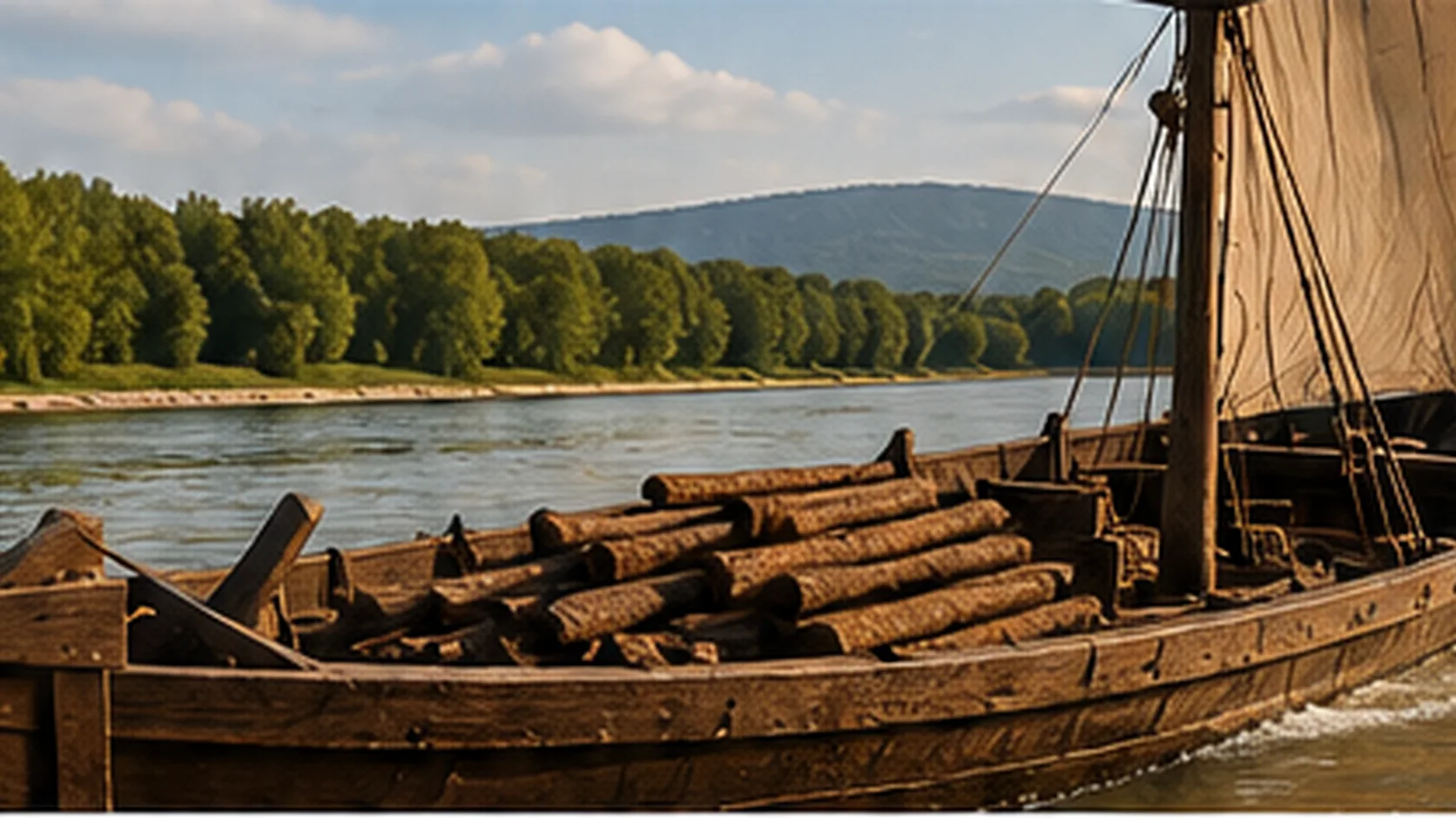
That is the leading interpretation, but there is an important limit to what the evidence proves. The gravel excavator disturbed the original setting before archaeologists could examine it intact, and no ancient boat has been found with the iron still inside it. Researchers cannot point to a wreck and say, "There it is."
What they can say is that the concentration, location, and quantity of the bars are consistent with a large cargo being transported along the Danube and lost in the river. The study proposes that a vessel carrying the shipment may have sunk in what was then an active river channel. The iron itself may have come from farther upstream, possibly from production areas in what is now Bavaria. Work to pin down its provenance is continuing.
The Bigger Story Is the Trade
A pile of rust is interesting. A ton of standardized iron moving through Central Europe more than two millennia ago is more important. The find suggests Iron Age producers were capable of making large quantities of iron, concentrating it into major shipments, and moving those shipments through organized trade networks. The Danube was not simply a geographic feature running through the landscape — it was transportation infrastructure.
That is why the discovery matters beyond the novelty of 500 possible swords. It gives researchers a rare physical glimpse of commerce at a scale that is difficult to reconstruct from scattered artifacts alone.
Somebody Looked Twice
The workers who found the material did not know they were looking at one of Europe's most significant Iron Age iron discoveries. They knew something unusual had come out of the gravel, and they decided it was worth reporting.
Had those corroded bars gone to a scrap dealer, 2,200 years of history could have gone into a furnace with them. Sometimes history arrives as a gold coin, a carved statue, or something beautiful enough that everyone immediately knows to stop. And sometimes it arrives looking like a rusty pile of junk.
All images are AI-generated illustrative editorial images. They are not photographs of the actual Deinham artifacts, excavation, vessel, or historical workshop.