Elizabeth Holmes Tells Nathan Fielder She Has Never Told a Lie. Scripture Has a Word for That.
In 'You Can See Everything,' convicted Theranos founder Elizabeth Holmes insists she never lied. The Bible says self-deception is part of the sin.
Elizabeth Holmes was convicted of defrauding investors with a blood-testing machine that did not work. In a new documentary opening in U.S. theaters this weekend, she looks into a camera and says, in effect, that she has never told a lie.
That may be the most revealing line in "You Can See Everything," and it is worth thinking about long after the credits roll.
A comedian moves in with a convicted fraudster
The film is co-directed by comedian Nathan Fielder, known for HBO's "The Rehearsal," and documentarian Lance Oppenheim, and was made with the backing of A24. It runs 174 minutes, according to Variety's Owen Gleiberman, who reviewed it at the Telluride Film Festival in September. It opens in the U.S. on Oct. 16, The Guardian reported.
In 2023, 34 days before Holmes was to begin her 11-year prison sentence, she and her partner, hotel heir Billy Evans, invited the filmmakers into their home in Del Mar, California, where they lived with their two young children, Variety reported. The Guardian's Adrian Horton writes that the couple sought out a film crew to document their life "in an attempt to protest her innocence." On camera, Evans says "the best way for people to see who she is … is to give as much access as possible into our daily lives."
Fielder, as Horton notes, points out the obvious: it is an odd choice to let a comedian famous for staging business schemes make a film meant to clear your name.
What critics saw
Critics have praised the film heavily. Horton called it "a modern masterpiece of deceit" and wrote that the documentary leaves viewers able to "see more than you ever imagined you'd see about Elizabeth Holmes and maybe get no closer to discerning the truth."
Gleiberman describes the history plainly. Holmes built Theranos to a $9 billion valuation in 2015 on the claim that she had developed a revolutionary device that could run tests on a pinprick of blood. "There was only one problem," he wrote: "the 'revolutionary' technology didn't exist." Investors poured in millions, and a board of famous names lent her credibility.
In the film, according to Variety, Holmes still insists the device could run any blood test and that only the chemistry was unfinished. Gleiberman reports that she and Evans were still pitching Theranos to investors years after her conviction. She tells Fielder she has never told a lie, and Gleiberman wrote that "it's clear that she believes it." He added that the film "never mounts an apologia for Elizabeth Holmes," and noted the stakes were never just money: had her faulty device gone to market, it would have threatened people's health.
A word for families: Horton mentions frank talk about conjugal visits, and the film runs three hours. This is a film for adults, not a family movie night.
The heart is deceitful above all things
Most of us will never defraud investors of millions. But every one of us knows the move Holmes is accused of making in this film: telling ourselves a story about ourselves until we believe it.
The Bible has a name for it. "The heart is deceitful above all things, and desperately wicked: who can know it?" (Jeremiah 17:9). The lies we tell others are bad enough. The lies we tell ourselves are worse, because they keep us from ever repenting. "If we say that we have no sin, we deceive ourselves, and the truth is not in us" (1 John 1:8).
Notice the order there. Self-deception is not a loophole that makes a person innocent. It is part of the sin. A woman can sincerely believe she did nothing wrong and still have done great wrong. Sincerity is not the same as truth.
The good news is in the next verse. "If we confess our sins, he is faithful and just to forgive us our sins, and to cleanse us from all unrighteousness" (1 John 1:9). Confession is the door out of the prison of self-justification. No one is beyond it, including Elizabeth Holmes, who as of this writing remains in a federal prison camp in Texas.
Christian filmmakers have wrestled with this same theme. The Kendrick brothers' first film, "Flywheel," centered on a dishonest used-car salesman forced to face his own deceit, and Dock Line recently looked at why its question is still sharp. Hollywood rarely names the cure. The Gospel does.
"You Can See Everything" may be one of the most talked-about films of the fall. Those who see it should ask the hard question it raises, not about Holmes, but about themselves: Where am I believing my own story instead of God's truth?
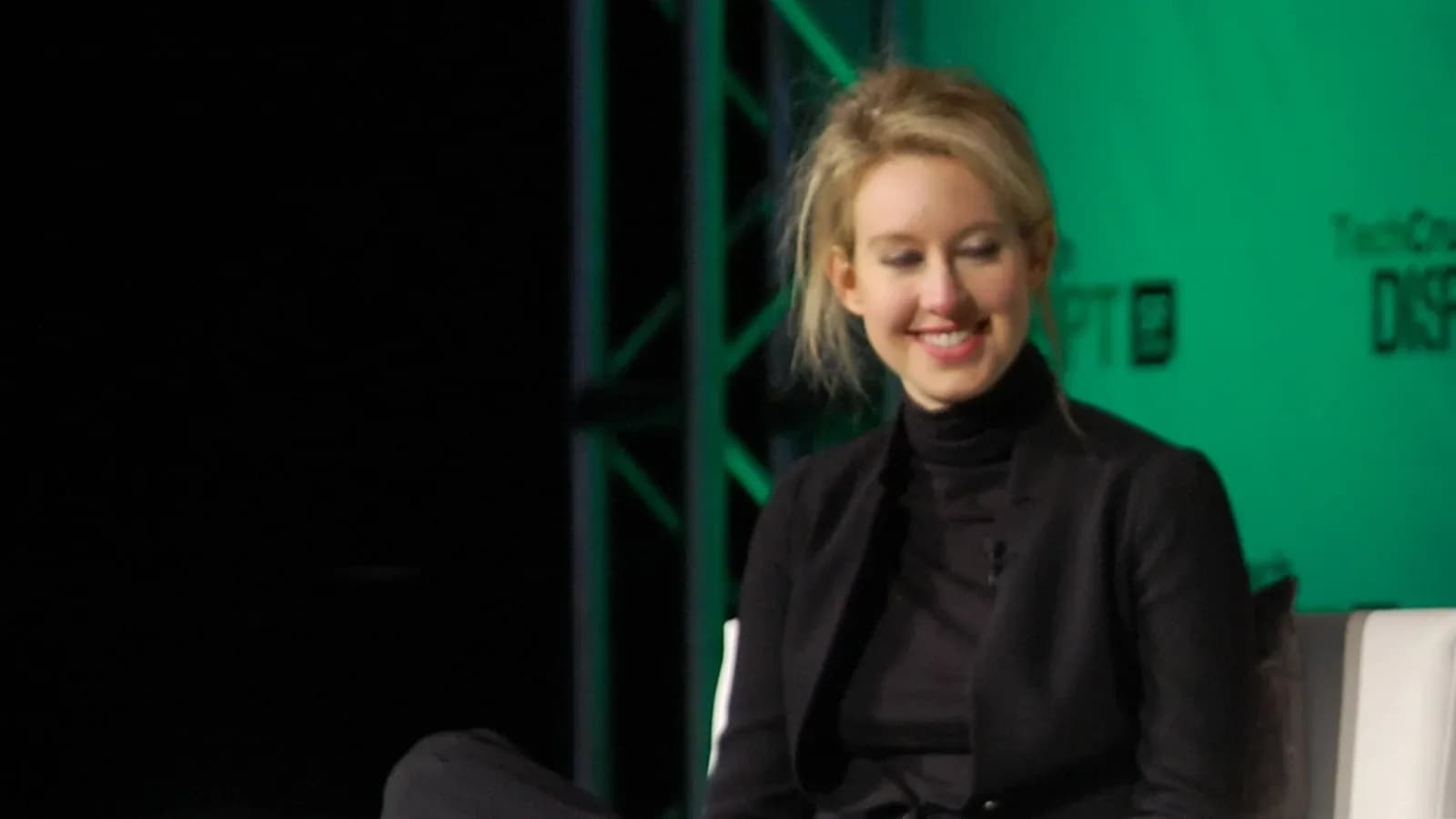
Hero photo: Kevin Krejci / Wikimedia Commons, CC BY 2.0, cropped and resized.