

Handel's Messiah Draws Its Words From Scripture. Hear More Than a Christmas Tradition.
Charles Jennens compiled Biblical texts for Handel’s Messiah. Its three-part design reaches beyond the Nativity to death, resurrection and faith.
The facts come first below. My opinion follows in the section marked as opinion.
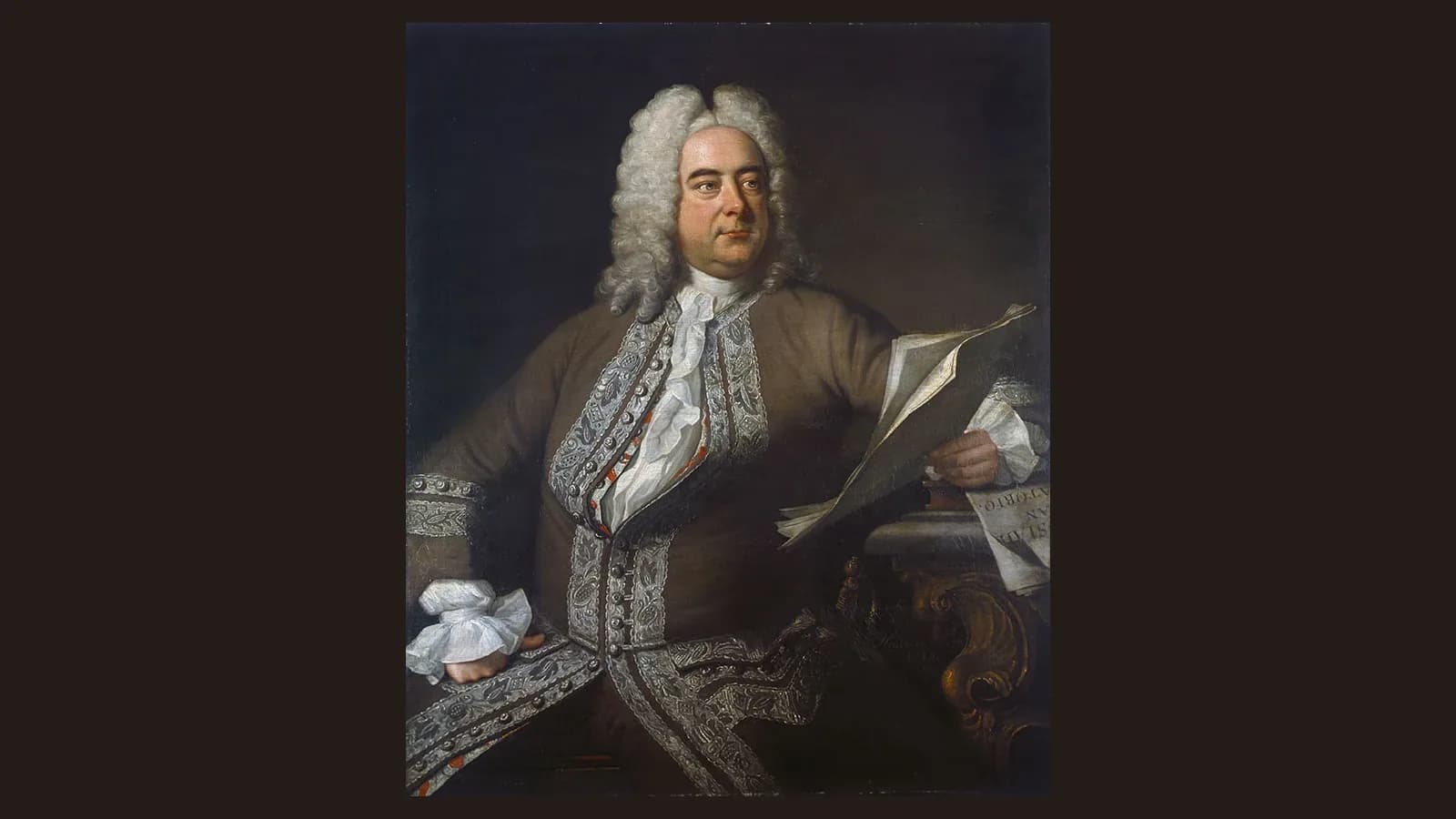
Handel's Messiah is more than a familiar chorus attached to the Christmas season. Its words were assembled from Scripture, and its three-part design moves beyond Christ's birth to His death, resurrection and the believer's response. Understanding that structure changes what a listener is hearing.
This is an evergreen guide to the work's origins, not a review of a new recording or an announcement of a local concert. The historical account comes from the Handel and Haydn Society's program notes and the Foundling Museum's catalog record for a surviving wordbook from the first performance.
The words came before the music
Charles Jennens sent Handel a new text in 1741. Rather than writing a continuous dramatic story, he gathered passages from the Old and New Testaments, according to the Handel and Haydn Society's account by Teresa M. Neff. Its summary identifies the prophecy and birth of Christ in Part 1, His death and resurrection in Part 2, and the response of the believer in Part 3.
That makes Jennens an essential part of the history, not a footnote to the composer's achievement. The Foundling Museum describes one of the few surviving wordbooks from the Dublin premiere in 1742. It says Jennens compiled the libretto from Biblical texts, although his name does not appear in that booklet.
The museum explains that audience members could buy the wordbook at the Music Hall in Fishamble Street and follow the words during the performance. It survives in its original paper wrappers. Following the text was not something invented for modern audiences who struggle to catch a sung word; the printed words were available at the beginning.
Not originally a December premiere
Messiah premiered in Dublin on April 13, 1742, the Society records. Its account says Handel set the work in 24 days after accepting an invitation to participate in charity concerts there. The premiere's spring date is a useful corrective to treating the entire composition as a Christmas nativity program.
The work's sacred words also prompted objections to its concert setting. For the London premiere the following year, Handel used the title A Sacred Oratorio, the Society explains. Its history describes criticism of Biblical texts being sung in a theater, followed by the later success of performances benefiting London's Foundling Hospital. The museum dates the first Messiah performance at that hospital to May 1, 1750.
The American seasonal tradition has its own documented history. The Handel and Haydn Society says its inaugural concert on Christmas Day 1815 included Messiah excerpts and that it has performed the work every November or December since 1854. That institutional record explains a longstanding seasonal association without changing the work's original date or broader Biblical design.
Understanding a work's cultural place is different from deciding how to receive its message. Dock Line makes a related distinction in The National Film Registry Preserves American Memory, Not a Family Watchlist. Keep the Record and Use Discernment.
Opinion: Hear the words, not just the tradition
Christians should be grateful when serious art gives listeners room to consider Scripture. But a beautiful performance is not a substitute for believing what the words proclaim. It is possible to admire the music and keep the message at a comfortable distance.
Do something simple before listening: read the text. Notice how the passages fit together. Do not stop at the birth of Christ as though the cross and resurrection were optional appendices to a pleasant winter custom. The whole work asks for a more attentive hearing.
Parents can help children follow a passage instead of demanding that they admire something merely because adults call it a masterpiece. Explain unfamiliar words. Ask what the text says. Let beauty invite attention, rather than using cultural prestige to end a conversation.
Neither a concert ticket nor an enthusiastic audience can certify faith. Enjoy the craftsmanship without confusing emotional force with conversion. The proper Christian response is not to worship the composer or the performance. It is to consider the truth being sung and direct our gratitude toward God.
More Entertainment Stories
 Yesterday
The National Film Registry Preserves American Memory, Not a Family Watchlist. Keep the Record and Use Discernment.
 Last Week
Primetime Puts Chris Hansen and Reality-TV Stings on Screen. Justice Is Not a Show.
 Last Week