

Energy Drinks and Stimulant Supplements Show Up Far More Often in Reports of Cardiac Arrest in Young Adults. Temperance Is Not Old-Fashioned.
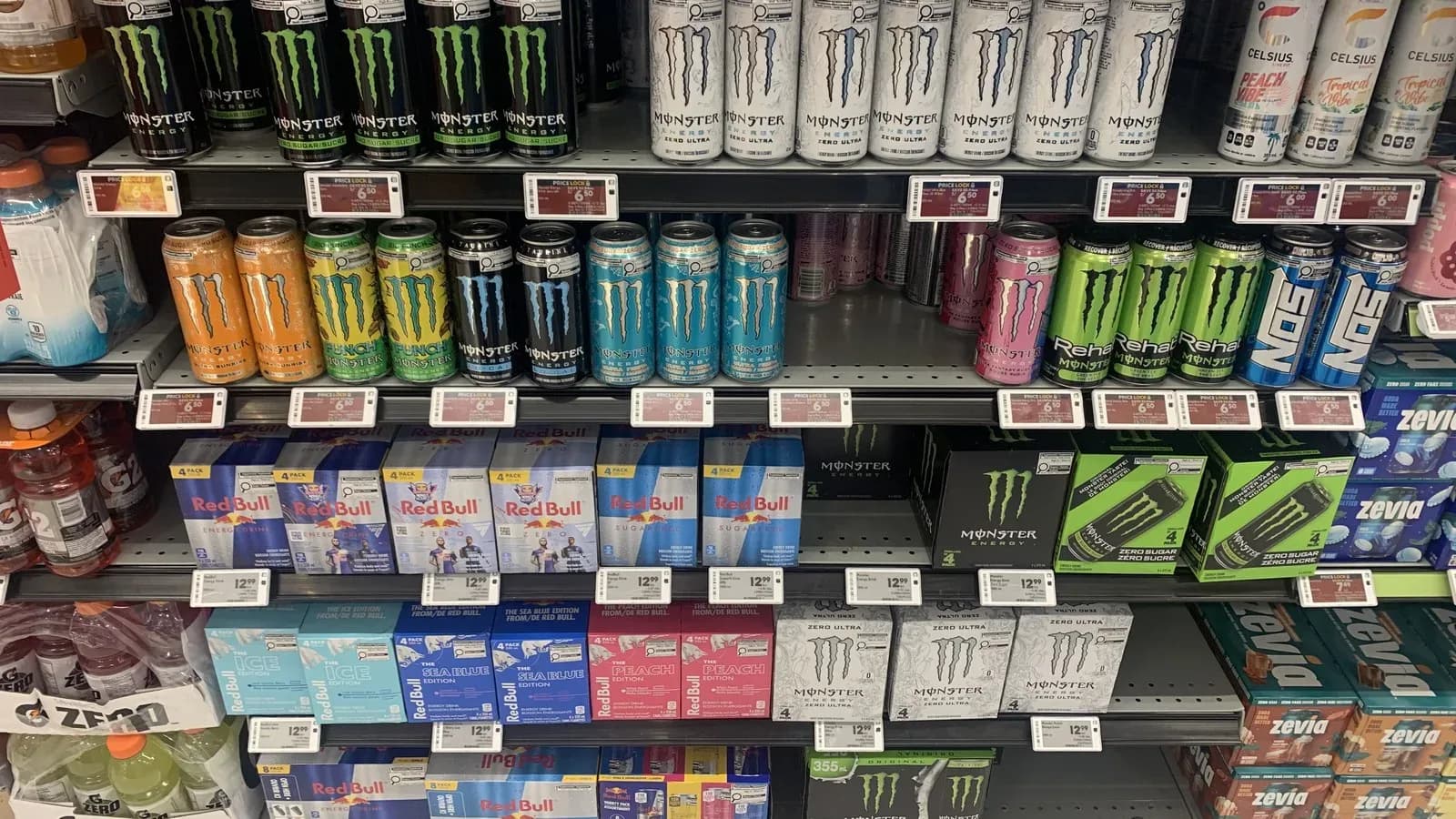
A preliminary study of FDA adverse-event reports found energy drinks and stimulant supplements were linked to cardiac arrest and heart attacks far more often than other products, especially among adults 18 to 34. It does not prove cause.
The facts come first below. My opinion follows in the section marked as opinion.
Caffeinated energy drinks and stimulant supplements showed up disproportionately often in federal reports of serious heart events, including cardiac arrest and heart attacks, and especially among adults ages 18 to 34, according to preliminary research released Monday by the American Heart Association. The study will be presented at the association's Scientific Sessions 2026 in Chicago, Nov. 6 to 9, the American Heart Association said.
What the researchers found
Researchers analyzed 28,345 reports made to an FDA safety database about possible adverse events from 2017 to 2025. Of those, 854 reports mentioned energy drinks or dietary supplements containing caffeine or other stimulants, and researchers compared them with 27,491 reports about products without those ingredients, such as soft drinks, meal replacement shakes, protein bars, smoothies and vitamins, according to the association.
Cardiac arrest was reported about 11 times more often in connection with caffeine- and stimulant-containing products. Those reports were about 4.5 times more likely to include heart attacks and four times more likely to include ventricular arrhythmias or heart palpitations. About 45% of the reports linking these products to cardiovascular events involved adults ages 18 to 34, the association reported.
"These products are marketed as everyday pick-me-ups and sold next to soda and bottled water, so most people assume they carry no real risk," said study author Sai Samayamanthula, a fourth-year medical student at the University of Virginia School of Medicine. "For many healthy people, if these products are consumed occasionally, the risk is probably small," the study author added, while warning that regular users "can quickly exceed the recommended daily limit for caffeine," according to the release.
What the study does not prove
The findings are a research abstract that has not been peer-reviewed. The authors emphasized that the analysis identified only associations with events voluntarily reported to the FDA and cannot prove the products caused any heart condition. It is unknown how many people consumed the products without any problem, or how many had heart events and did not report them. Researchers grouped products by ingredient, not by brand, the association said.
"The study does not prove that caffeine products cause these events, because other factors may have influenced the results found in this analysis," said Dr. Gregory Marcus of the University of California, San Francisco, who was not involved in the research, according to the American Heart Association.
How much caffeine is too much
For most adults, the FDA has cited 400 milligrams of caffeine a day, about two to three 12-ounce cups of coffee, as an amount not generally associated with negative effects. A 12-ounce energy drink typically contains 41 to 246 milligrams. Medical experts advise against energy drinks for children and teens because of their sugar and caffeine, according to the FDA.
The FDA regulates energy drinks and stimulant supplements as foods or dietary supplements rather than medications, so they do not go through the premarket safety testing required for drugs, the American Heart Association noted.
Dock Line recently covered another medical emergency and its warning signs: Sen. Chris Murphy Hospitalized After Stroke: Know the Warning Signs.
Opinion: Temperance is not old-fashioned, and parents should not wait for a final study
This is a preliminary study built on voluntary reports, and honest people should say so. It does not prove that a can of anything stopped a young heart. Anyone who turns it into a panic is getting ahead of the evidence.
But a preliminary signal is still a signal. Young adults are not supposed to be the group filling up reports of cardiac arrest. When a common product keeps appearing in those reports, wisdom does not wait for the twelfth study to start paying attention.
Christians have an old word for the answer: temperance. The apostle Paul asked, "What? know ye not that your body is the temple of the Holy Ghost which is in you, which ye have of God, and ye are not your own?" Caring for that body is not vanity or fear. It is stewardship. Stacking a pre-workout scoop on top of two energy drinks to get through a shift is not a moral failure, but it is worth a second look.
Parents of teenagers should take the FDA's advice seriously and keep these drinks out of their kids' hands. Coaches and youth pastors can help by saying it plainly. And any young adult who has felt a racing heart, chest pain or fainting after one of these products should tell a doctor about it.
Government does not need to ban anything to fix this. Clear labeling, honest marketing and more study are reasonable steps. The rest is up to us, one choice at a time.
More Health & Fitness Stories
 Today
Texas Plans $87 Million More for 129 Rural Health Providers. Here Is Where the Money Is Meant to Go
 Today
Sen. Chris Murphy Is Hospitalized After a Stroke That Began With a Numb Arm. Pray for Him, Then Learn the Signs.
 Yesterday