Kratom and 7-OH: What Texas Law Allows and What the Feds Now Want to Ban
Federal health officials have recommended limits that would put concentrated 7-OH products in Schedule I while sparing natural kratom. Texas already caps 7-OH and bans synthetics. Here is what the rules say and why doctors worry.
Kratom is sold legally in Texas, and federal health officials now say some products sold under that name are something else entirely.
On Oct. 9, the U.S. Department of Health and Human Services recommended new limits to the Drug Enforcement Administration for 7-hydroxymitragynine, known as 7-OH, and a related compound called MGPI. HHS calls both "potent opioid compounds associated with products marketed as kratom." The Justice Department announced the same day that the DEA had issued new notices of intent reflecting the recommendation.
Natural kratom vs. enhanced products
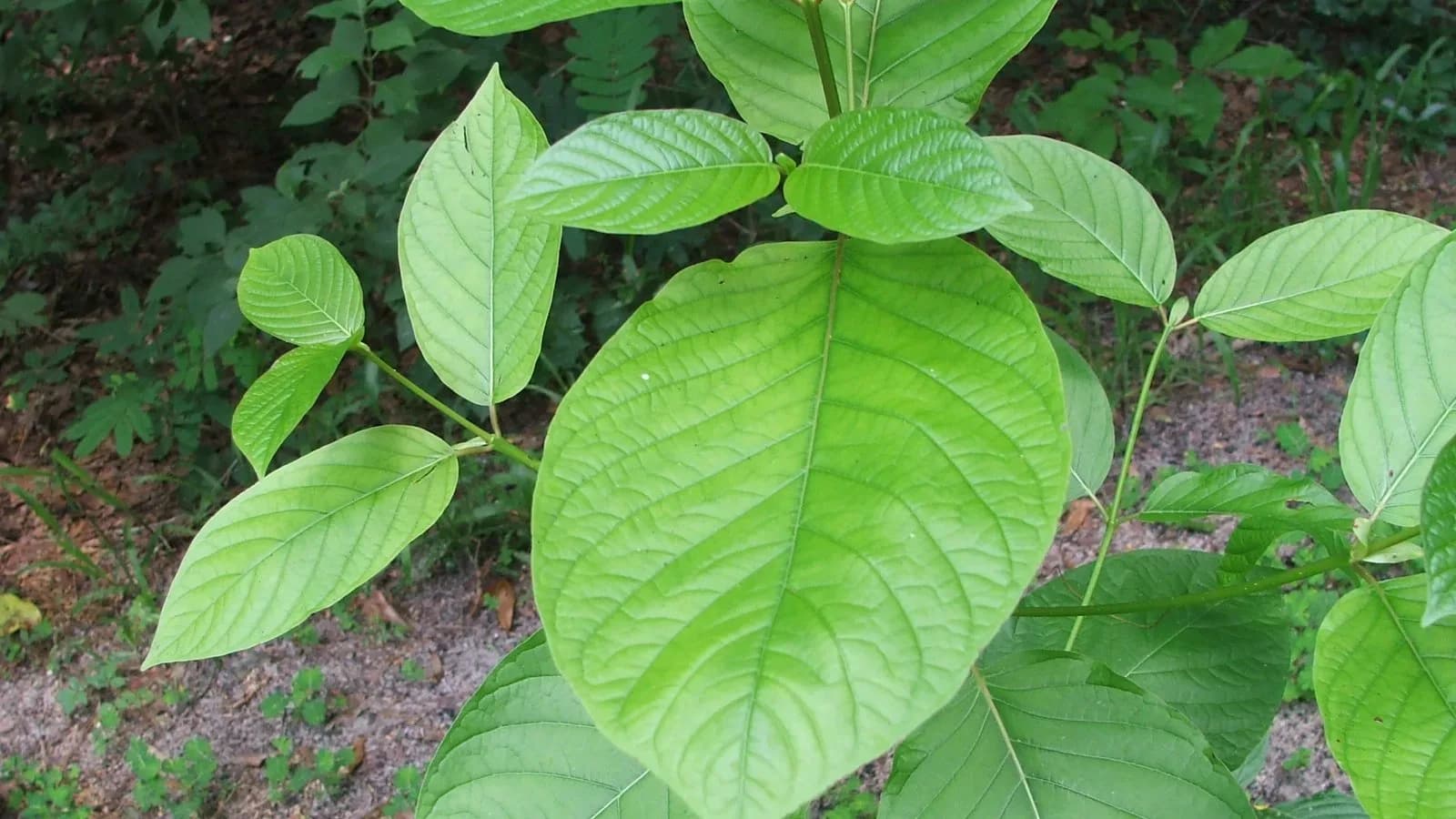
Kratom comes from the leaves of a Southeast Asian tree. Its main compound is mitragynine. Natural kratom contains only small or trace amounts of 7-OH, according to HHS.
The concern is products that have been concentrated or chemically altered to deliver much more. The Food and Drug Administration’s scientific review found that 7-OH is about two to nine times more potent than morphine in preclinical studies, depending on the study, HHS said. The FDA also found evidence of a meaningful risk of opioid-like dependence and withdrawal from MGPI.
"We are drawing a clear line between natural kratom and dangerous, enhanced opioid products," HHS Secretary Robert F. Kennedy Jr. said.
What the federal proposal says
Under the recommendation, 7-OH and MGPI would be placed in Schedule I, the most restrictive federal category, for purposes of temporary scheduling when either substance, or both combined:
Exceeds 1 milligram per gram in powders, capsules or other solid forms, or 1 milligram per milliliter in liquids; or makes up too large a share compared with the product’s mitragynine. Specifically, if the amount of mitragynine divided by the amount of 7-OH or MGPI is less than 100, the product would be covered.
HHS says the ratio test reflects how natural kratom is built and helps spot products that were deliberately enhanced. This is a recommendation and a notice of intent, not yet a final rule.
What Texas law already says
Texas regulates kratom under Chapter 445 of the Health and Safety Code, first passed in 2023. Under that law:
Kratom products must be labeled with directions for safe use, including a recommended serving size, and retailers may sell only properly labeled products. Products may not be adulterated or contaminated with harmful substances, including controlled substances. A product may not contain 7-OH above 2 percent of its overall alkaloid content. Synthetic alkaloids, including synthetic 7-OH, are banned. Selling kratom to anyone younger than 18 is a Class C misdemeanor.
Violations carry civil penalties of $250 for a first violation, $500 for a second and $1,000 for each one after that, and each day counts as a separate violation. The attorney general or a local prosecutor may sue to collect.
In other words, Texas already draws a line similar to the one federal officials now propose. Enforcement is the open question, and shoppers cannot test a product at the counter.
What families should know
A product sold legally on a store shelf is not automatically safe. Anything strong enough to be compared with morphine deserves the same caution as any opioid.
Talk to your teenagers. Texas law bars sales to minors, but these products are easy to find and are often sold in bright packaging. If someone in your family is using kratom or 7-OH to manage pain or to get off other opioids, encourage them to see a doctor rather than self-treat.
If you suspect a poisoning, call the Poison Help line at 1-800-222-1222, which connects Texans to the Texas Poison Center Network. In an emergency, call 911. Because 7-OH acts on the body like an opioid, it is wise to keep naloxone at home. Our guide explains how to get free naloxone in Texas.
Texas has paid a heavy price in the opioid era, as settlements like the Albertsons opioid case remind us. The body is a gift to be cared for, not a chemistry experiment. Natural kratom and its concentrated cousins are not the same thing, and the law in Texas and Washington is moving to treat them differently.