Rabies in Texas: How It Spreads and What to Do After an Animal Bite
Rabies is fatal once symptoms start, but it is preventable. Here is what Texas health officials say about wildlife, pets and bites.
Fall puts more Texans outdoors. Hunters are heading to deer stands, families are camping and kids are playing outside until dark. That also means more chances to cross paths with a skunk, a bat or a fox that is not acting right.
Rabies is preventable, but it is deadly once it takes hold. Here is what the Texas Department of State Health Services says every Texan should know.
What rabies is
Rabies is a virus that attacks the central nervous system. According to DSHS, you can be infected if a rabid animal bites you, or if saliva from a rabid animal gets into your eyes, nose or mouth or into an open wound.
The stakes are simple. DSHS says that once symptoms of rabies begin, the disease is fatal. If you have had that kind of contact with a rabid animal, "only a series of shots can keep you from getting the disease."
The state’s rabies fact sheet says that any time a warm-blooded animal such as a dog, fox, skunk, cat or bat bites a person, there is a danger the animal is rabid. It also notes that saliva on unbroken skin does not require anti-rabies treatment. If you are unsure, see a doctor.
A Texas problem
DSHS says rabies thrives where wildlife is abundant, "as it is in most counties in Texas," and each year many cases turn up in the state’s wildlife and domestic animals. The agency says Texas periodically sees outbreaks of rabies in skunks, and parts of the state are experiencing one now.
One myth worth clearing up: you cannot get rabies from being sprayed by a skunk, according to DSHS. The virus spreads through saliva, usually in a bite.
How Texas fought back
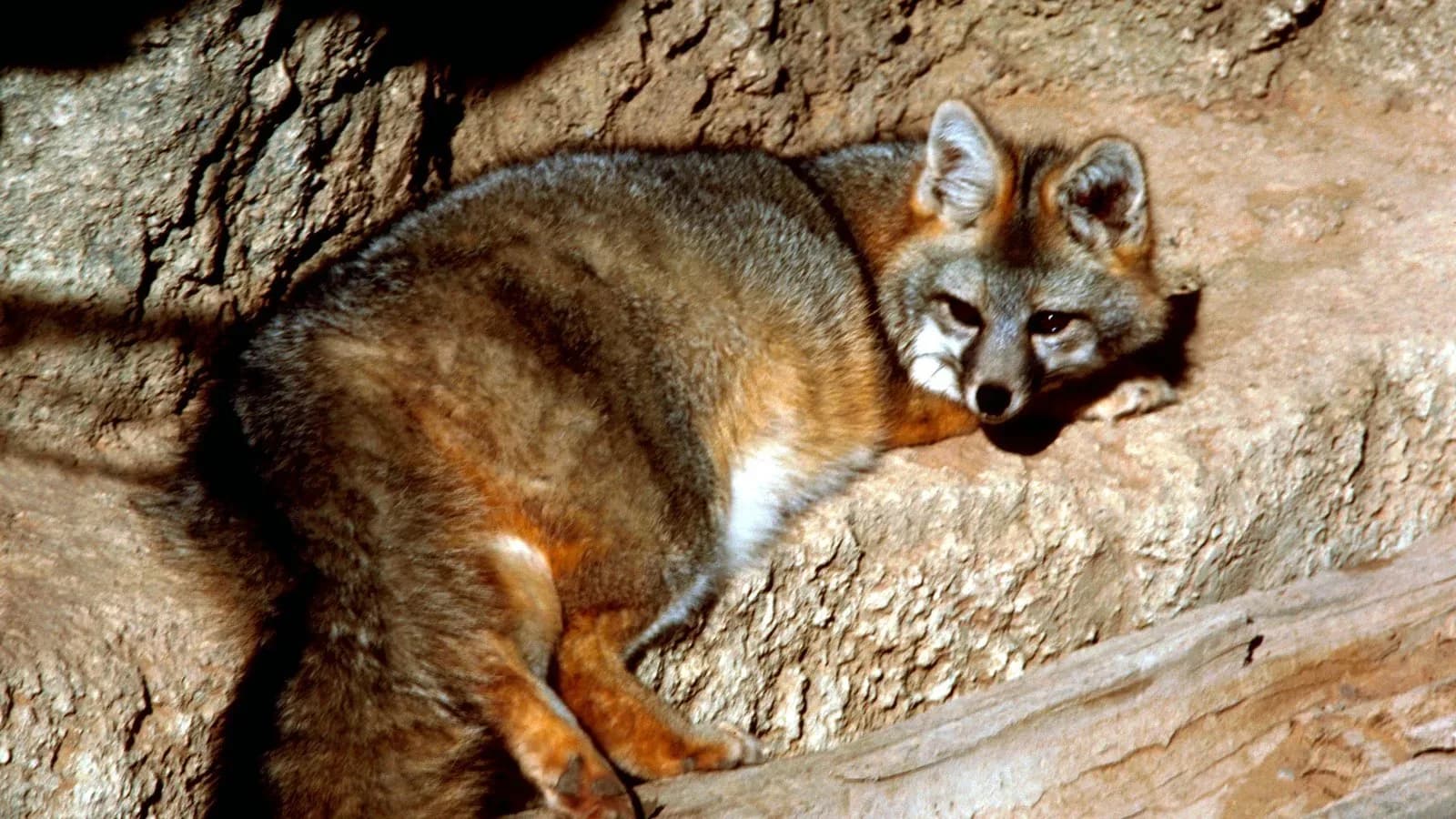
Texas has a real success story here. In 1988, two rabies outbreaks began, one among coyotes in South Texas and another among gray foxes in West and West-Central Texas. Both spread toward populated areas, and in 1994 Gov. Ann Richards declared them a state health emergency, according to the DSHS Oral Rabies Vaccination Program.
The state began the program in 1995. Each year, aircraft drop vaccine baits coated in fish oil and fishmeal to vaccinate wild coyotes and foxes. DSHS says those annual campaigns have eliminated both rabies variants from Texas. The goal now is to keep a vaccinated buffer zone along the U.S.-Mexico and Texas-New Mexico borders so those variants, and a newer Arizona fox variant, do not return.
The 2026 campaign wrapped up Jan. 27 after distributing 693,600 baits along the Texas-Mexico border and parts of the Texas-New Mexico border, DSHS reported.
If you find one of those baits, leave it alone. DSHS says wildlife can smell human scent on a handled bait. The vaccine will not hurt pets or livestock that eat one, but it is no substitute for a rabies shot from your veterinarian. If you touch the liquid vaccine, wash with soap and water, and tell your doctor if you have a weakened immune system.
What to do
DSHS offers straightforward advice:
Do not handle any wildlife, even if it looks healthy.
Teach your children never to touch wild animals.
Have your pets vaccinated against rabies.
If you or your pet is bitten, wash the wound right away with soap and water, and get medical care as soon as possible to find out whether treatment is needed.
Dock Line has also offered tips on preventing dog bites, and hunters heading out for what looks like a promising deer season should give any wild animal acting strangely a wide berth.
We are called to be good stewards of the creatures in our care and wise about the ones that are not. A vaccinated pet, a careful child and a quick trip to the doctor after a bite are simple steps that save lives.