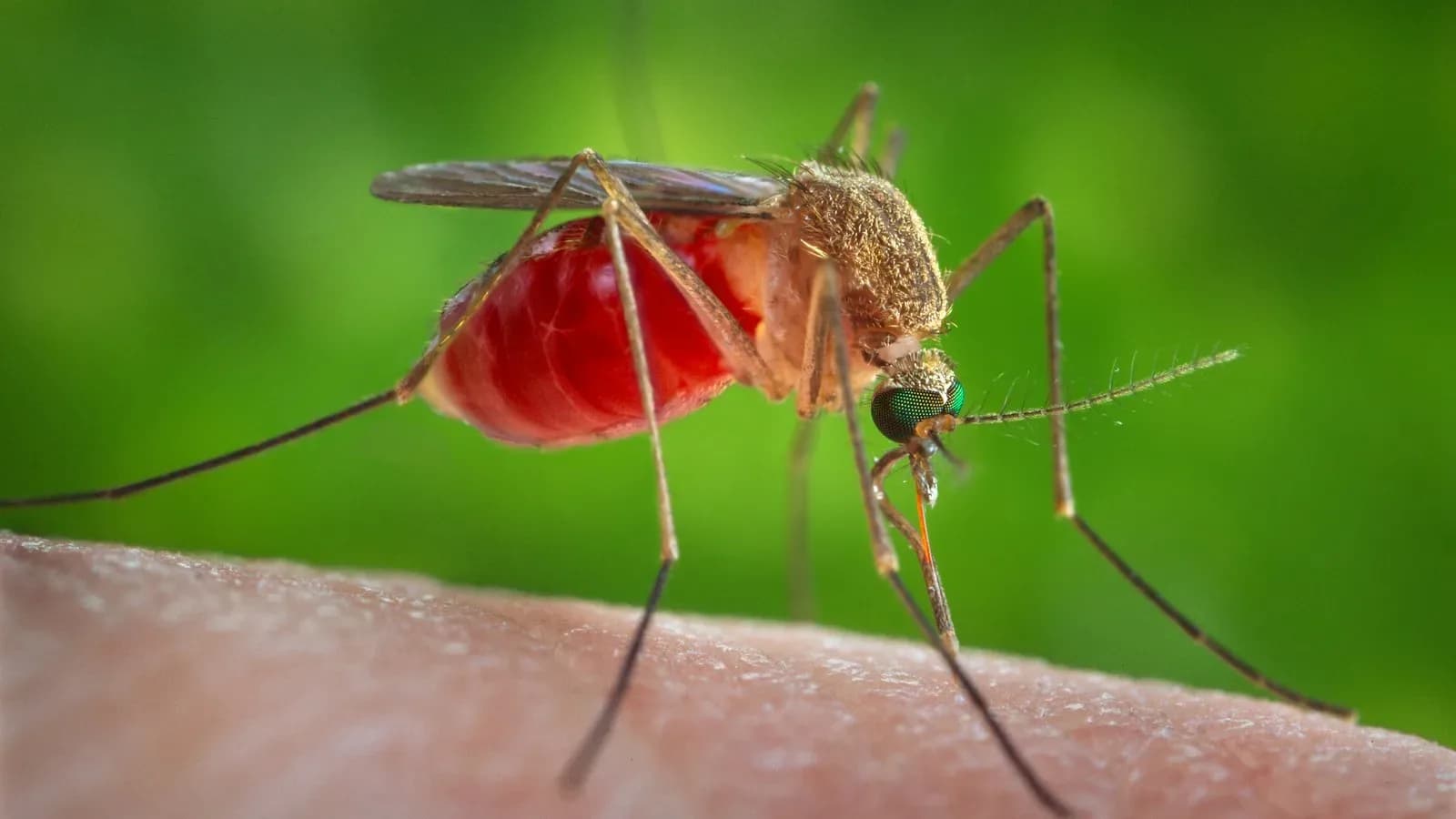
Texas West Nile Cases Reach 80 as Mosquito Season Runs Into Fall
State data show 80 human West Nile cases and four deaths so far in 2026, most of them the serious neuroinvasive form. Cooler weather has not ended the risk.
Texas has recorded 80 human cases of West Nile virus so far this year, and four deaths, according to the Department of State Health Services' weekly arbovirus report for the week ending Oct. 10.
Of those 80 cases, 64 are West Nile neuroinvasive disease, the serious form that attacks the brain and nervous system. The other 16 are West Nile fever. The state has also found 28 blood donors who tested positive without symptoms, and 1,389 mosquito pools that tested positive for the virus.
Still climbing
A week earlier, the state count stood at 70 human cases and four deaths, Medical Daily reported, citing preliminary state data. DSHS reports deaths monthly after they are verified, so recent deaths may not yet be counted.
That may include a death in Dallas County, Medical Daily noted. County health officials said Oct. 7 that a man in his 60s with underlying medical conditions died of neuroinvasive West Nile disease, the county's first death this year.
"We want residents to know that the arrival of cooler weather does not mean the threat is over," said Dr. Philip Huang, director of Dallas County Health and Human Services.
For context, DSHS said in May that Texas recorded 976 West Nile cases and 106 deaths over the previous five years, with the most deaths, 57, in 2024 and the fewest, 9, in 2025. Those figures are provisional.
Who is at risk
Most people who catch West Nile never feel sick. According to DSHS, about 80 percent have no symptoms, roughly 20 percent develop fever, headache, nausea and aches, and fewer than 1 percent develop the neuroinvasive disease, which can cause tremors, neck stiffness, disorientation, paralysis and death. Older adults and people with chronic conditions face the highest risk of serious illness, and there is no human vaccine, Medical Daily reported, citing the CDC.
What to do
Dump standing water at least once a week: flowerpot saucers, buckets, pet bowls, kiddie pools, toys and clogged gutters. Keep window and door screens in repair. Use a repellent with DEET or picaridin, and wear long sleeves and pants when mosquitoes are most active, DSHS advises. Dallas County health officials add: limit time outdoors from dusk to dawn.
Anyone with a high fever, severe headache, stiff neck or confusion should get medical care quickly, Medical Daily reported.
The same week's report also lists 25 dengue cases and four chikungunya cases, all imported from travel. The same precautions help prevent those too.
Small habits, real protection
West Nile is a fact of Texas life, and fall is not a free pass. It takes a few minutes a week to tip out the water around the house and spray before an evening ballgame. Those small habits protect grandparents and neighbors who are most at risk. For more on staying well this season, see our report on early flu numbers in Texas.
Hero photo: CDC/James Gathany, public domain (U.S. government work), cropped and resized.