Caddo Lake Refuge Opens Its Second Archery Deer Season on Dec. 1
Caddo Lake National Wildlife Refuge's second archery deer season opens Tuesday, Dec. 1, and runs through Jan. 3, 2027, with a one-antlered-deer limit. The drawn general firearms hunt ends Nov. 29.
A second archery deer season at Caddo Lake National Wildlife Refuge opens Tuesday, Dec. 1, and runs through Jan. 3, 2027, according to the U.S. Fish and Wildlife Service's 2026-27 hunting brochure, dated August 2026. The bag limit is one antlered white-tailed deer. The refuge's drawn general firearms deer hunt, which is not a walk-on season, ends today, Nov. 29, after a Nov. 27-29 window with a one-deer, either-sex limit. Hunters selected through the Texas Parks and Wildlife Department drawn hunts program must carry their drawn-hunt permit, in print or on a phone, while they are afield.
State antler rules recited in the brochure apply to those hunts: a buck must have an inside main-beam spread of 13 inches or greater or at least one unbranched antler, and it is unlawful to take more than one buck with an inside spread of 13 inches or greater, or with two branched antlers, in a single county. Drawn hunters over 17 pay an $80 permit fee, plus a $3 application fee, the Service said.
The same brochure lays out the rest of the season around those dates. An earlier archery deer season ran Oct. 3 through Nov. 4, with a bag limit of two white-tailed deer, one antlered and one antlerless. A youth firearms hunt was held Nov. 5-8, and a disabled-veterans firearms hunt Nov. 12-15, each with a two-deer, either-sex limit and a cap of one antlered buck. During daylight hours of all deer seasons, hunters may also take feral hogs with no bag limit, using weapons that are legal for the deer season then underway. Squirrel season follows from Jan. 4 through Feb. 28, 2027, under state bag limits, with shotguns and federally approved non-toxic shot.
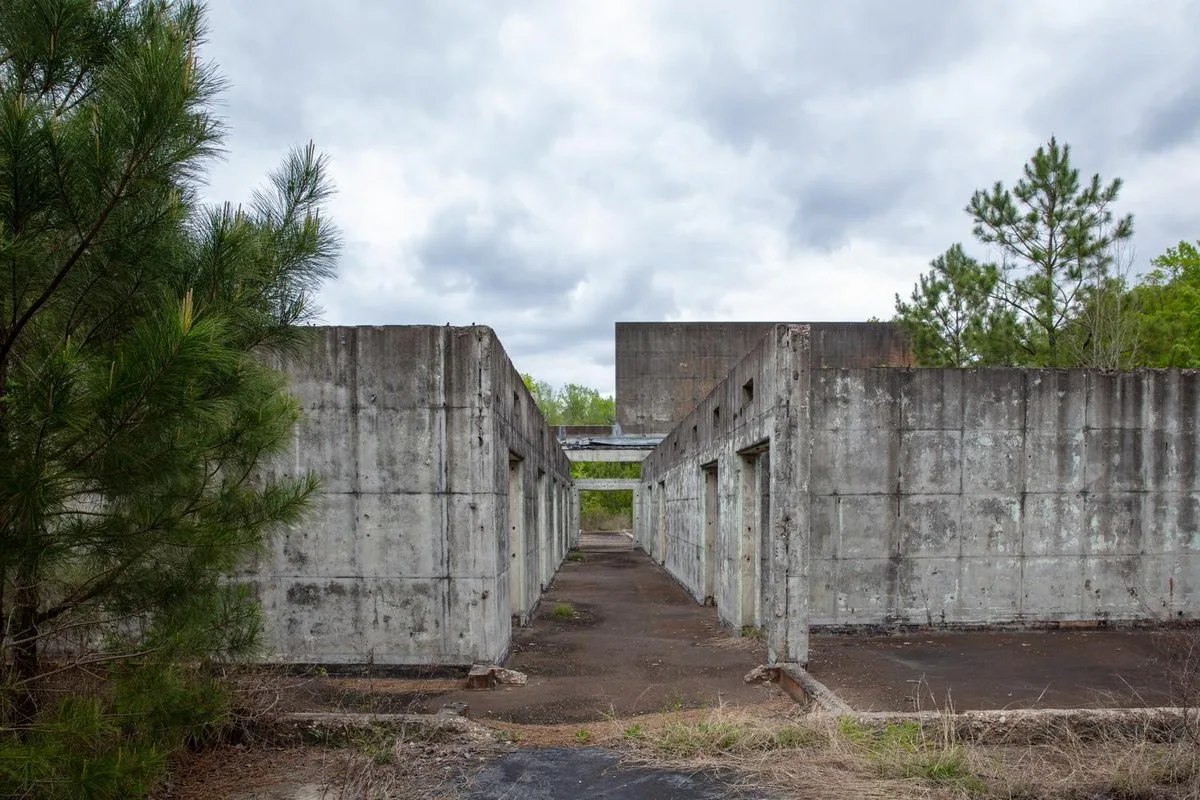
An abandoned building from the former Longhorn Army Ammunition Plant on Caddo Lake National Wildlife Refuge. Photo: William Hicks / Wikimedia Commons, CC BY 4.0.
A Refuge First, a Hunt Second
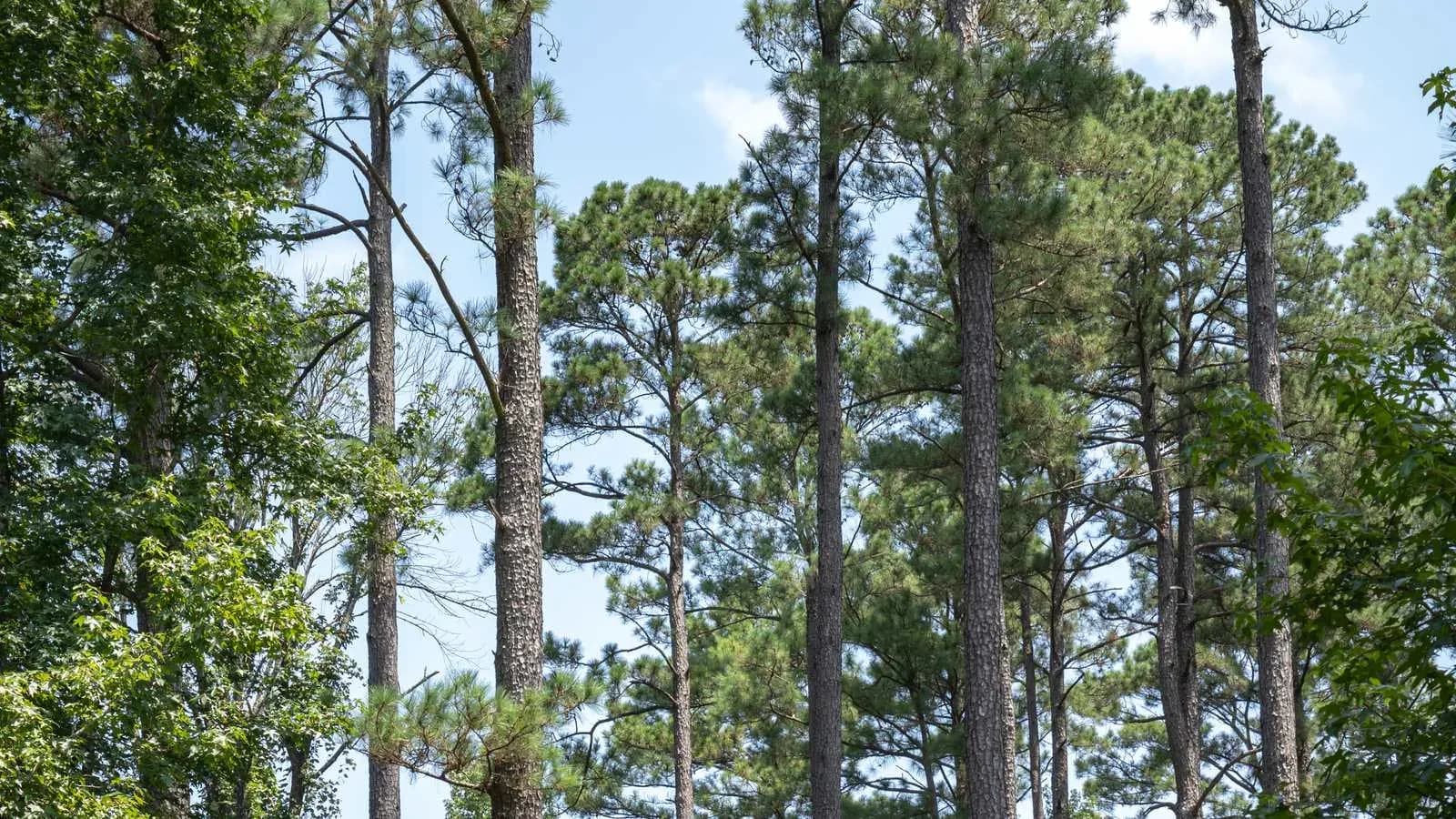
The Service approved the refuge on Oct. 19, 2000, on portions of the approximately 8,500-acre former Longhorn Army Ammunition Plant in Harrison County, the refuge's official account says. Its purpose is the management, conservation, and protection of migratory birds and other fish and wildlife. The bottomland hardwood forest, the Service says, provides essential habitat for migratory and resident wildlife. On a national wildlife refuge, wildlife comes first; activities are allowed only when they do not conflict with that founding purpose.
Anyone hunting on the refuge must also carry a signed copy of the hunt brochure, which the Service treats as the general hunting permit, a valid Texas hunting license, and an Annual Public Hunting permit. The APH permit costs $48 and is sold through the Texas Parks and Wildlife Department. Hunters have to meet state hunter-education rules and wear daylight-fluorescent orange as required for deer hunting on public land in Texas. Hunters 17 and under must be under the direct supervision of an adult 18 or older, who must remain with the youth at all times during the hunt. All hunters have to meet state hunter-education rules. During archery seasons, hunters are required to sign in and out at the check-in kiosk. Deer taken during archery and drawn hunts must be reported on a Big Game Harvest Report at the kiosk.
The refuge is open from official sunrise to sunset year-round, except that hunters and anglers may enter no more than two hours before legal sunrise and may remain no more than two hours after legal sunset. Refuge headquarters at 15600 Highway 134 in Karnack is open 7:30 a.m. to 4 p.m. Monday through Friday and closed on federal holidays. Land, roads, and trails are open daily from dawn to dusk. Camping and fires are prohibited. Off-highway vehicles are prohibited. Portable blinds and tree stands are allowed but must come off the refuge at the end of each day's hunt, be marked with the owner's name, address, and telephone number, and may not be attached with nails, wires, screws, or bolts. Game cameras are prohibited, as is baiting, spotlighting, target practice, and possessing alcoholic beverages while hunting. Violations can be reported to the Wildlife Crime Tip Line at 1-844-397-8477.
A drawn hunt on a national wildlife refuge is a privilege, not an open invitation to treat public land as a private lease. The Service is managing a bottomland forest and the birds and game that use it, and the rules exist to keep that place from being worn down or baited out. Hunters still afield on the last day of the general hunt should know the bag limit, the antler restrictions, and the check-in requirements before they walk in, and they should take only what the brochure allows. For everyone else, the main season still ahead is the Dec. 1 through Jan. 3 archery hunt, followed by the winter squirrel season, if they hold the required licenses and permits and stay inside the law. The land was an ammunition plant within living memory. It is now a refuge. That change is worth the care the rules demand.