149 Texas Counties Are Under Burn Bans as Hunting Season Heats Up. Here Is How Not to Start a Fire
More than half of Texas counties have banned or restricted outdoor burning. Hunters and campers should check their county and follow the Forest Service’s spark-safety advice.
Deer stands are going up, quail hunters are counting down to Nov. 1 and campfire season is here. But across most of Texas, the ground is dry and the rules on outdoor fire are tight.
As of Saturday night, 149 of Texas’ 254 counties had outdoor burn bans in place, according to the Texas A&M Forest Service burn ban list updated at 9:46 p.m. Oct. 17. That includes Harris, Bexar, Travis, Tarrant, El Paso and Hidalgo counties.
What a burn ban is
Burn bans are not set in Austin. When drought conditions exist, a county judge or commissioners court can put a ban in place that prohibits or restricts outdoor burning for public safety, the Forest Service explains. That means the rules can change at a county line, and they can be lifted or reinstated quickly.
Before you light a campfire, burn brush or fire up a cooking pit at deer camp, check your county’s current order. The Forest Service publishes a statewide burn ban map that is updated as counties report changes.
How dry is it?
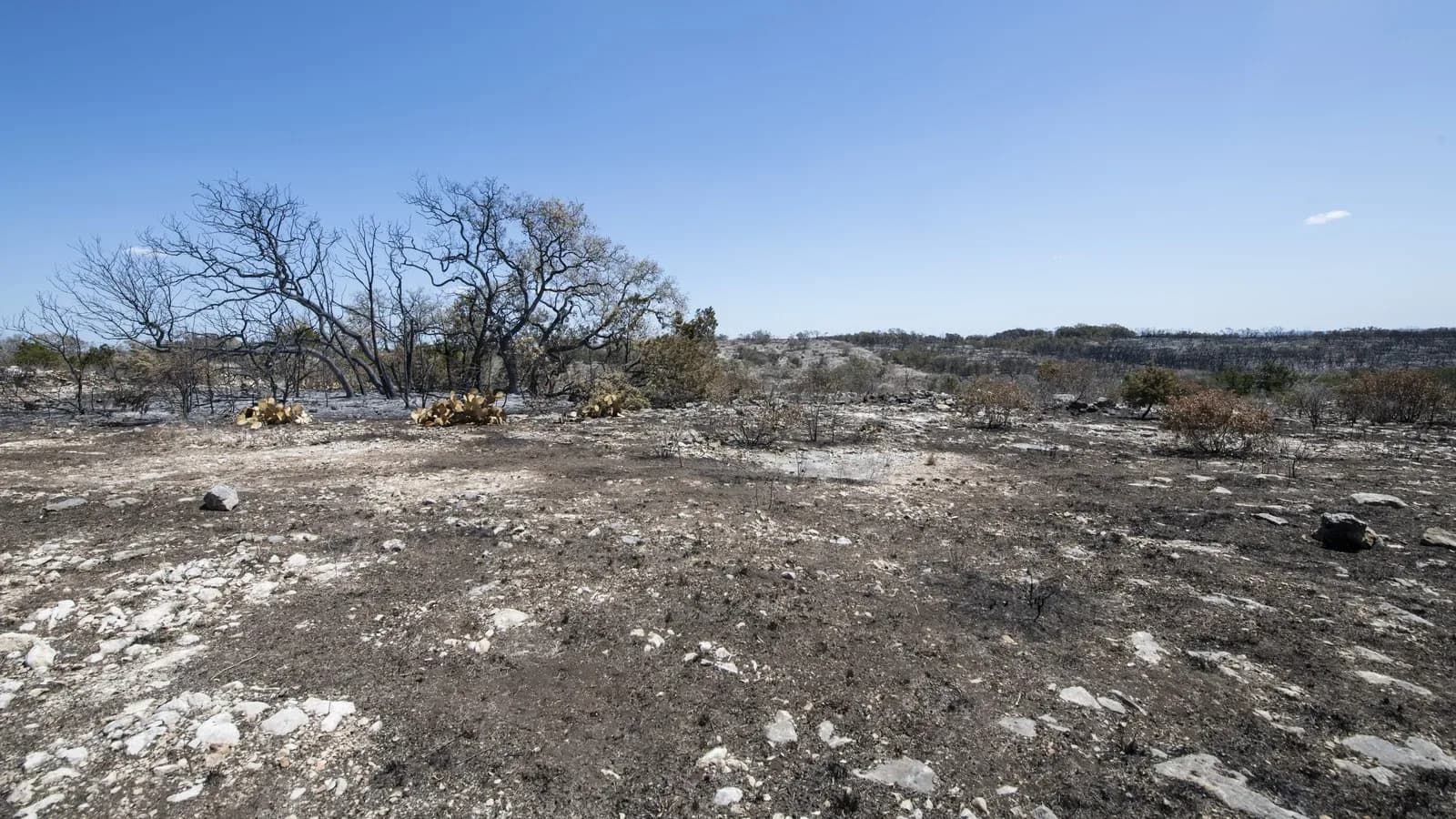
The Forest Service measures long-term dryness with the Keetch-Byram Drought Index, which runs from zero, meaning saturated soil, to 800, the maximum drought possible. A reading of 800 means it would take eight inches of rain to fully soak the top eight inches of soil, according to the agency’s drought page.
In the Forest Service’s latest county drought index summary, 49 counties averaged 600 or higher. Bowie County in Northeast Texas led the state at an average of 743, followed by Red River, Milam, Falls and Cass counties.
The agency notes that drought is only one part of fire risk. Fuel, humidity, wind and terrain all matter. The state’s wildfire preparedness level stood at Level 1, the lowest of five, but dry fuels can turn a small spark into a fast-moving fire.
Hunters, this one is for you
At the start of hunting season, the Forest Service warned that nine out of 10 Texas wildfires are human-caused. Equipment use, including vehicles, trailers and ATVs or UTVs, is the second most common cause of human-caused wildfires in Texas, behind debris burning.
"Even a small spark can quickly ignite a wildfire under the right conditions," said Jared Karns, the agency’s fire chief.
The Forest Service’s advice for hunters and campers:
Do not drive over or park on dry grass. Heat from a vehicle can easily ignite dry vegetation.
Check with local officials for burn bans or other outdoor burning restrictions. Each county sets and lifts its own.
Never leave a cooking fire or campfire unattended. Before you leave, drown it with water, stir the ashes and feel to make sure it is completely out and cold.
Before towing a trailer, make sure tires are properly inflated, safety chains do not touch the road and loose metal cannot throw sparks.
Be ready to put out a fire. Keep a shovel and water at camp, and carry a fire extinguisher on ATVs and UTVs.
Good stewards of good land
The land we hunt was entrusted to us, whether it belongs to a family ranch or to the public. Leaving it the way we found it is part of the ethic every hunter learns. That starts with a cold campfire and a trailer chain that stays off the pavement.
If you are taking a young hunter out for the youth-only deer season that opens Oct. 30, hunting public land on a $48 permit or chasing birds after a strong quail survey, make fire safety part of the checklist.