

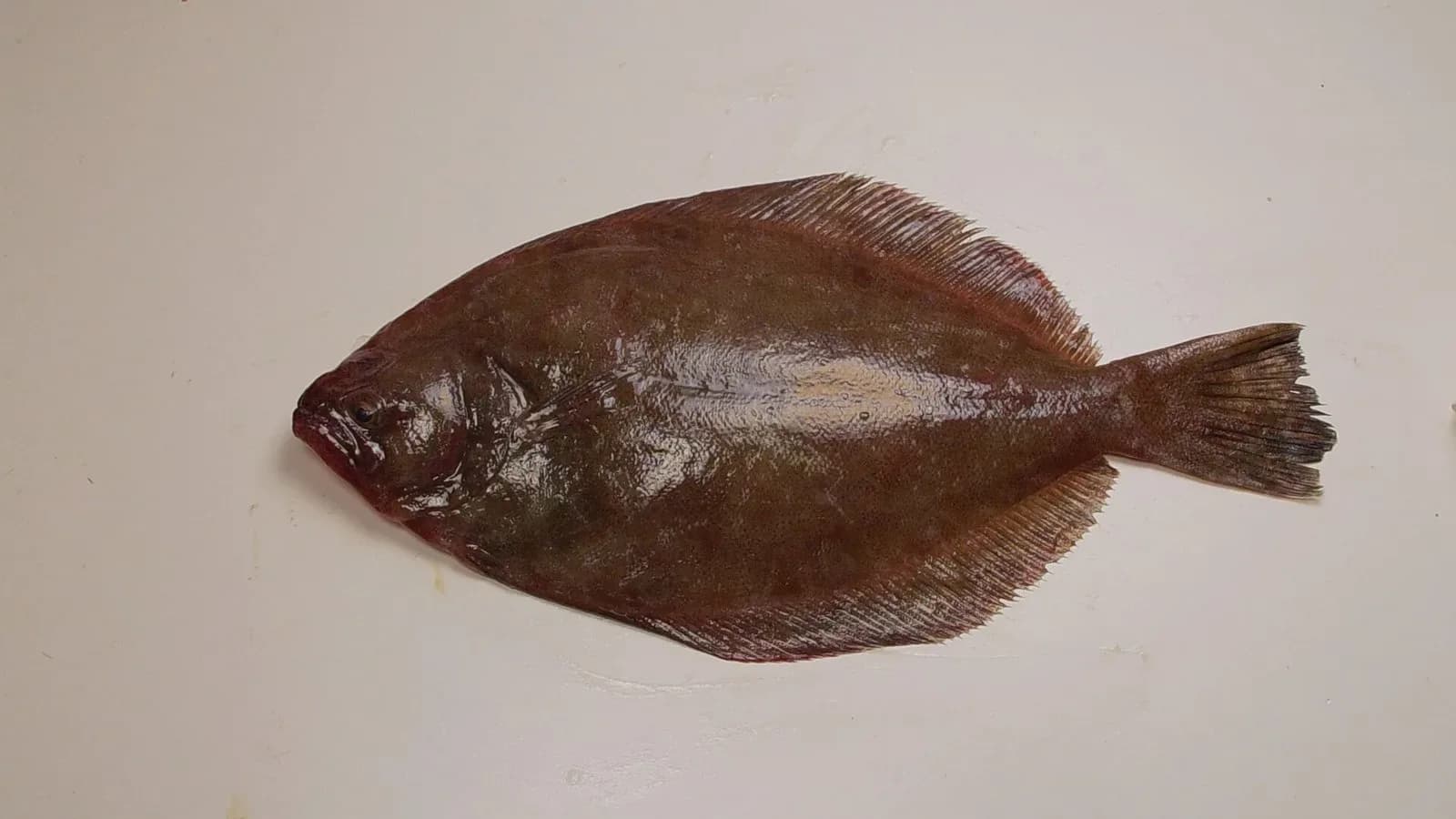
Texas Flounder Fishing Closes Nov. 1. Here Is What to Know Before the Fall Run Shuts Down
Flounder are biting along the Texas coast, and gigging guides report easy limits. But the fishery closes Nov. 1 through Dec. 14. Here are the rules and the reason behind them.
The flounder are moving, and the clock is running.
"Flounder catches have picked up as we’re catching them along with speckled trout," Capt. Jeff Larson of Seadrift told Capt. David Dillman for his Oct. 17 column in The Daily News of Galveston. "The flounder gigging guides are finding easy limits. Even those just walking the bank the old fashioned way are getting their fair share of flatfish."
Larson added: "I’m not a fan of the closed season coming up, but that could be a whole story just by itself."
That closed season starts in less than two weeks.
The rules
According to the Texas Parks and Wildlife Department’s 2026-27 flounder regulations, which run from Sept. 1, 2026, through Aug. 31, 2027:
Daily bag: 5 flounder.
Minimum length: 15 inches. There is no maximum.
Closed season: Nov. 1 through Dec. 14. The fishery is closed and the bag limit is zero.
Possession limit: equal to the daily bag.
License: Anglers need a Texas fishing license with a saltwater endorsement to land fish in state or federal waters.
The rules cover all flounder species and their hybrids. Fishing reopens Dec. 15 under the five-fish limit.
Why Texas closes the run
The closure falls right on top of the best flounder fishing of the year, and that is the point.
In the fall, adult flounder leave the bays for the Gulf to spawn, according to a TPWD fisheries report. Males leave first, when the water temperature drops about 4 to 5 degrees Celsius. A hard cold front can set off a mass migration, which brings big catches. Flounder spawn offshore in about 98 to 217 feet of water, starting at about 2 years old, and a female can spawn up to 13 times a season, releasing around 29,000 eggs each time, TPWD says.
TPWD gill net surveys show flounder numbers have fallen since the late 1970s, while catches of young fish in bag seines have stayed fairly steady. "The decreasing population trend despite steady recruitment indicates that fishing mortality is most likely the cause of the population decrease," the report says. It also notes that earlier size and bag limits, a ban on commercial netting and a limited-entry program for shrimpers helped the population stabilize.
The Texas Parks and Wildlife Commission raised the minimum size to 15 inches in 2020 and voted to start a fall closure in 2021, according to a TPWD release. The Congressional Sportsmen’s Foundation, which supported the change, explained the reasoning: flounder migrate in large numbers out of the bays to spawn, which makes them especially vulnerable to anglers, and the 15-inch minimum was designed to protect females, which are key to rebuilding the fishery. Males rarely reached even the old 14-inch minimum.
Plenty of coastal anglers, like Larson, do not love the closure. That is fair. It takes away some of the best weeks of the year. But it is also fair to remember why it exists. The fish we hand down to our grandchildren depend on what we leave in the water now. Scripture puts it simply. Man was placed in the garden "to dress it and to keep it." Good stewardship sometimes means leaving the gig in the truck.
Where they are biting now
Along the upper coast, Capt. Jake Brown of Flattie Daddy Fishing Adventures reported in The Post Newspaper’s Oct. 17 fishing forecast that the Brazos and San Bernard rivers were producing redfish, drum, speckled trout and flounder. He recommended live or dead shrimp, or 3/8-ounce jigs with swimbaits or Gulp shrimp worked slowly along the bottom.
On the middle coast, Larson said redfish were schooling under rafts of mullet, doves had pushed in, and some bucks were already chasing does. Deer hunters can read our report on the state’s 5.64 million deer ahead of the season.
If you are new to the coast, our guide to the best fishing spots in Texas by region is a good place to start.
The bottom line
Fish hard through Oct. 31, keep five fish of 15 inches or more, and put the flounder gear away on Nov. 1. Through Dec. 14, keep fishing for trout, reds, drum and sheepshead, and come back for flounder on Dec. 15.
More Outdoors Stories
 Yesterday
Red Tide Is Back on the Texas Coast for the First Time in Years. Here Is What Anglers and Beachgoers Should Know
 Yesterday
149 Texas Counties Are Under Burn Bans as Hunting Season Heats Up. Here Is How Not to Start a Fire
 This Week