Texas Pollinator BioBlitz Starts Friday. Here Is How to Join.
From Oct. 16 to Nov. 1, Texas Parks and Wildlife invites families to photograph bees, butterflies and other pollinators. Native Plant Week follows Oct. 19-25.
Grab a phone and head outside. The Texas Pollinator BioBlitz, a free statewide event from Texas Parks and Wildlife, runs Friday, Oct. 16, through Sunday, Nov. 1.
The idea is simple. Participants of all ages look for pollinators and the plants they visit, take photos and share them. Butterflies, bees, moths, bats, hummingbirds, wasps, flies and beetles all count, according to TPWD.
How to take part
Post photos or videos on Instagram or Facebook with #TXPollinators. To add to the science, upload them to the 2026 Texas Pollinator BioBlitz project on iNaturalist, which records the date and place and lets other naturalists help identify the species. TPWD says observers who are unsure what they found should simply post what they know.
Registered participants get challenges by email. TPWD has posted the full daily challenge list. Friday's challenges are a brightly colored pollinator and a nocturnal one. Others include a fuzzy pollinator, a pollen-covered pollinator, a monarch migrating on Oct. 23, and on Oct. 25, a "pollinator selfie."
Why it matters
TPWD notes that the monarch population across the eastern United States, Canada and Mexico has fallen by nearly 80 percent over the past 20 years. Besides monarchs, 30 native bees, butterflies and moths are listed as Species of Greatest Conservation Need in the Texas State Wildlife Action Plan.
Pollinators also sustain native plants, food crops and crops for livestock. TPWD's challenge list names strawberries, blackberries, blueberries, squash, broccoli, prickly pear, chile pequin and almonds among foods that depend on them.
Plant something this fall
The BioBlitz overlaps with Texas Native Plant Week, Oct. 19-25. TPWD's October Our Wild Texas newsletter calls fall the best time in Texas to plant for pollinators, since native plants have the best chance of surviving. It suggests watching for native plant sales at local nurseries and the Lady Bird Johnson Wildflower Center. The Texas Parks and Wildlife Foundation's free Wild Thumb app lists native plants and nurseries that carry them.
Look closer
There is something good about slowing down long enough to watch a bee work a flower. Scripture tells us to consider the lilies of the field. Take the kids, take a phone and take a walk. For more ideas, see our list of simple ways to spend more time outside, and read about the new state parkland at Devil's Sinkhole.
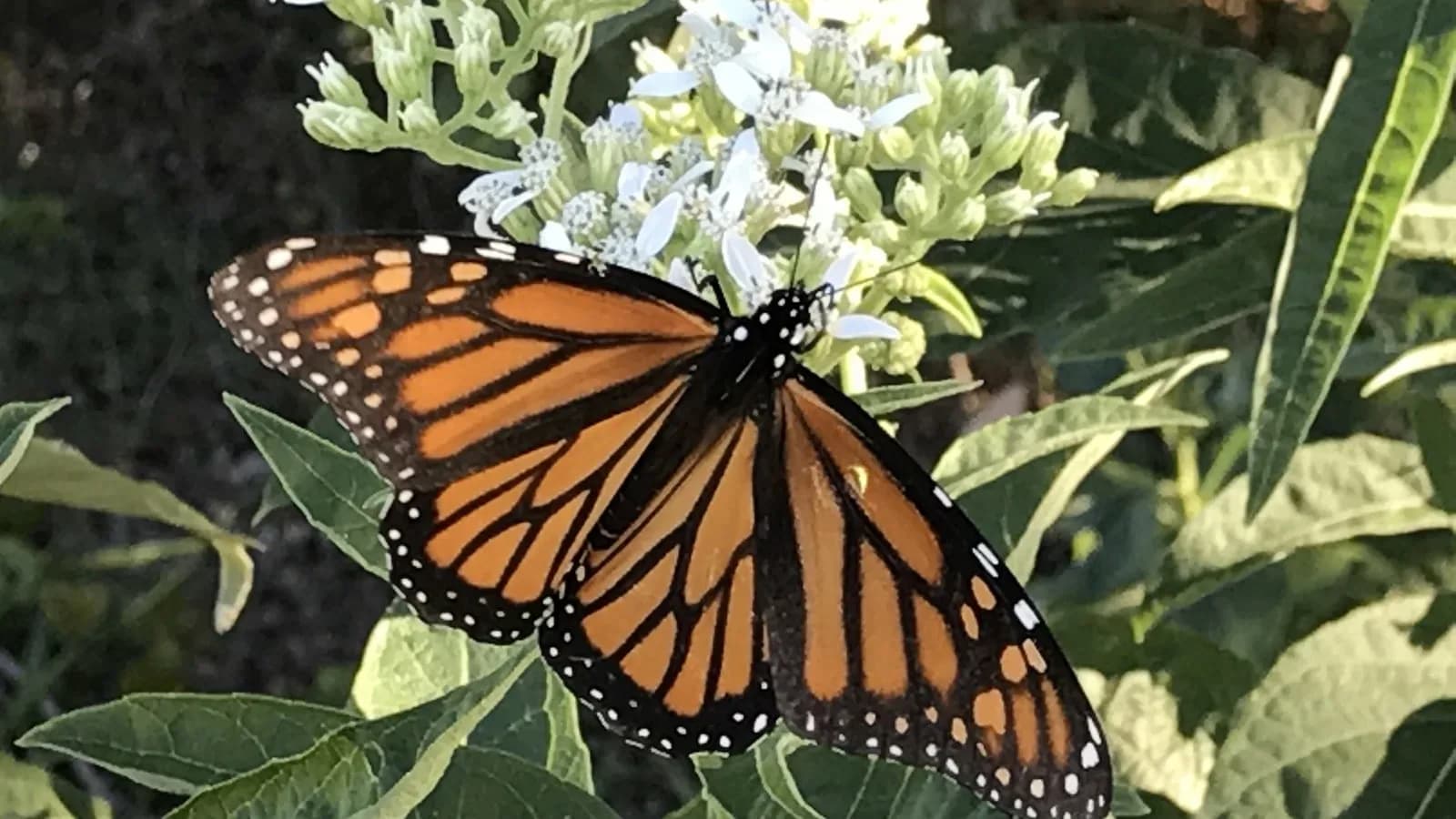
Hero photo: Shauna Marquardt/U.S. Fish and Wildlife Service, public domain (U.S. government work), cropped and resized.