

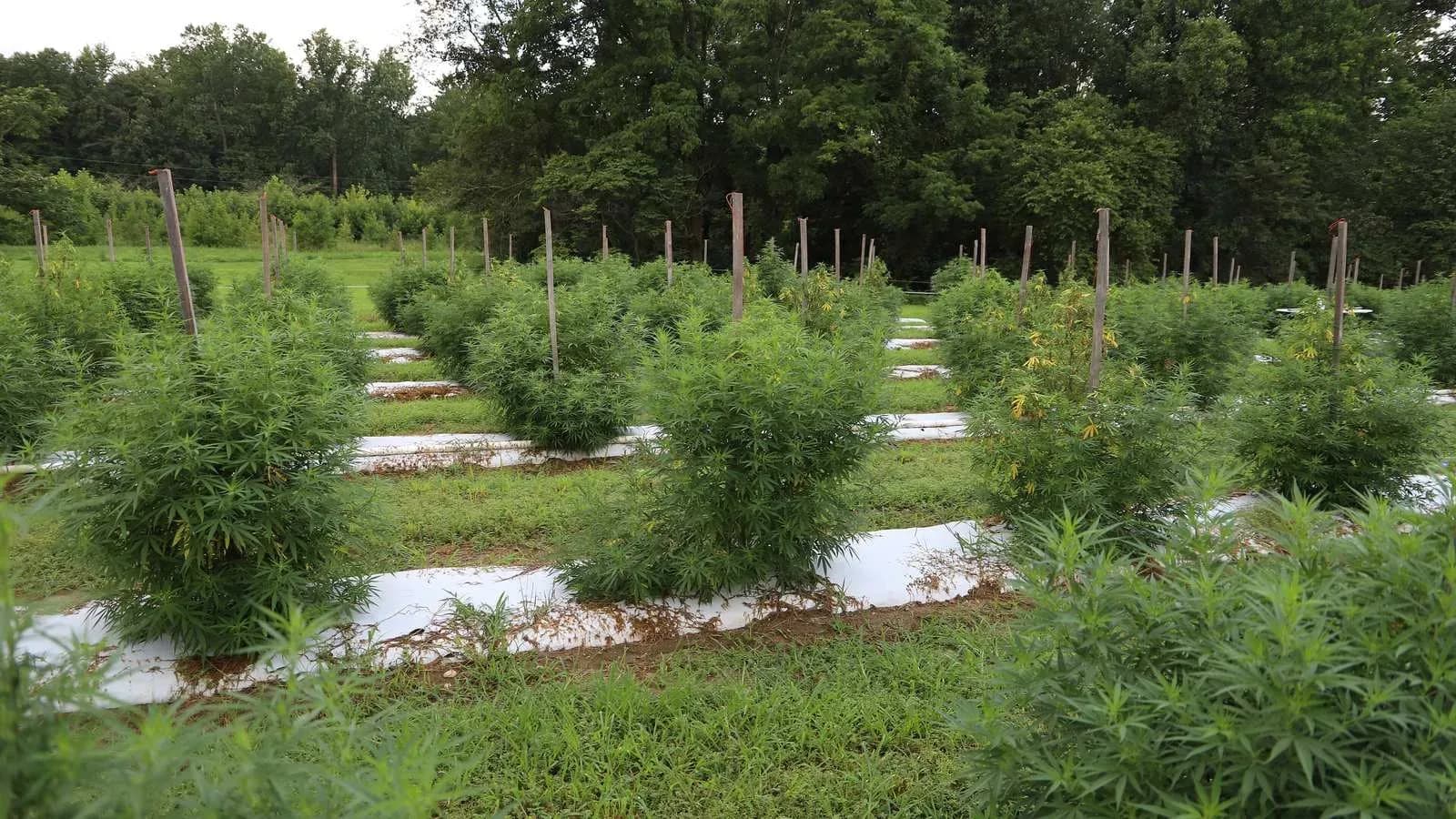
15th Court Cancels December Arguments in Texas Hemp Rules Fight Ahead of Judicial Turnover
The Tribune and WFAA report that the December hemp-rules argument was canceled. The industry expects a 2027 hearing, but no new date has been announced.
The 15th Court of Appeals has canceled the December argument in the challenge to Texas hemp THC rules, according to The Texas Tribune and WFAA. No replacement date has been announced in their reporting.
Days after voters removed all three Republican justices on the 15th Court of Appeals, the court canceled oral arguments in four cases set for Dec. 8 and 9 and told lawyers they would be reset "at a later date," The Texas Tribune reported. The biggest of them is the hemp industry's challenge to state rules on hemp-derived THC products. Three Democrats elected Tuesday will take the bench in early January.
"I don't think there's ever been a Court of Appeals where all of the judges were replaced on one day," Chief Justice Scott Brister told The Texas Lawbook Friday, according to the publicly available excerpt of its report.
Why the court pulled the cases
Justice Scott Field explained the reasoning to Bloomberg Law, as quoted by the Tribune: "We know we can't get the opinion out for cases orally argued before the end of the year so we don't want to waste the lawyers' time with an argument if there's a chance the new court will also want to hear argument."
That is a practical choice, and an honest one. An argument heard in December by judges who leave in January could simply have to be argued again. The Tribune reported that 39 cases already argued, orally or in writing, are waiting on opinions from the outgoing justices, and clearing the calendar gives them time to finish that work.
The 15th Court has statewide jurisdiction over challenges to state laws and regulations, the Tribune noted. Our earlier report covered how Democrats swept it. What is new this week is what that sweep does to cases already on the docket.
What the hemp rules do
The rules at issue come from the Texas Department of State Health Services. According to the Tribune, they require child-resistant packaging and new labeling, testing and bookkeeping. They set the legal purchase age at 21. They raise licensing fees for manufacturers of hemp-derived THC from $258 to $10,000 per facility, and retail registrations from $155 to $5,000. Industry leaders said fees that steep amount to a ban.
WFAA describes the challenged rules as requiring a total THC test affecting smokable products such as THCA flower. The suit was brought by the Texas Hemp Business Council and others in the industry.
What the cancellation does not decide
The canceled argument is a procedural development, not a ruling on the rules themselves. This report does not determine the current enforceability of particular restrictions; Dock Line has not independently reviewed the current controlling court orders.
The Texas Hemp Business Council sounded hopeful, saying it expects a 2027 hearing, though the court itself has only said the case will be reset at a later date. "Our case will now be heard in front of the new court in 2027. The date has not yet been set but we are optimistic for this opportunity," the group said in a social media post quoted by WFAA.
The other cases on hold
The Tribune listed three more cases pulled from the December calendar:
The State of Texas v. Sunrise Community Church, in which the attorney general's office argues a South Austin homeless shelter is a public nuisance because it sits near an elementary school.
Comptroller Don Huffines and Attorney General Ken Paxton v. City of Lancaster, a dispute over about $3 million in sales taxes.
Huffines and Paxton v. Dave & Buster's, in which the company sued to recover $2.58 million it believed qualified for tax exemptions.
What Texans should watch
Protecting children from intoxicating products is a sound goal. A drug does not become harmless because it is sold with a bright label. Child-resistant packaging, honest testing and an adult purchase age deserve serious consideration, alongside the question of what authority the Legislature gave the agency.
Courts should apply the law the same way no matter who sits on the bench. If the new justices rule differently than their predecessors might have, it should be because the law requires it, not because the party label changed. Christians should expect impartial justice, not a preferred political result.
The next concrete development to watch is a new argument date. The industry group expects a hearing in 2027; that remains its expectation, not an announced court setting.
More Politics & Government Stories
 Today
Trump Offers Dana White Press Secretary Job; CNN Reports He Declined. The Briefing Room Needs Truth, Not Theater.
 Today
Texas Admits Its Voter Registration System Has Fallen Short. An Outside Audit Will Ask Whether It Can Be Saved
 Today