Abilene Voters Will Decide Whether Firefighters Get Collective Bargaining and Binding Arbitration
Two Nov. 3 propositions would change how Abilene negotiates with its firefighters. The city and the firefighters association disagree about the risk to taxpayers.
Abilene voters will see two propositions on the Nov. 3 ballot that would change how the city negotiates pay and benefits with its firefighters. They got there by petition. The Abilene Professional Fire Fighters Association gathered the signatures, and state law says voters, not the City Council, must decide.
What is on the ballot
The first proposition asks whether to adopt collective bargaining for firefighters under Chapter 174 of the Texas Local Government Code. The second would amend the City Charter to require binding arbitration if bargaining reaches an impasse, according to the city's information page.
Today the city uses "meet and confer," a voluntary process. Neither side has to reach a deal. If talks fail, firefighters are paid under state civil service rules and the council's budget.
Under collective bargaining, both sides must negotiate in good faith. If there is no agreement within 60 days, the association can ask for arbitration or go to district court. If binding arbitration also passes, a three-member board would decide unresolved issues, and its ruling would be final. Firefighters still could not strike under either system.
How it got here
The last meet-and-confer agreement expired April 1, 2026. On March 26, the council rejected a proposed new deal that would have tied pay to the average of peer cities plus 4 percent. On April 23, the council offered to keep talking with a mediator. The association's president told the council the group wanted collective bargaining and arbitration instead, the city says.
The two sides
The city's concern is control of the budget. Under binding arbitration, it says, the city must follow the ruling "regardless of the fiscal impact." It also notes that if both measures pass, only another election can undo them.
Association President Jarrod Crockett disagrees. "They can't make a decision that requires money that isn't available," he told KTXS, pointing out that state law requires arbitrators to weigh the city's revenues. "The goal is never to use binding arbitration," he said.
The numbers
The city reports that firefighter raises averaged 5.83 percent a year over the past six fiscal years, a total of 34.96 percent. Base pay in fiscal 2026 ran from $66,914.74 for a probationary firefighter to $146,897.60 for a top battalion chief. The city says public safety is 54 percent of general fund spending, and the fire department alone is 24 percent.
The council also authorized a one-time $13.5 million city contribution to the firefighters' pension fund with its fiscal 2027 budget, according to a city budget summary.
Firefighters run into burning buildings, and they deserve fair pay. Taxpayers deserve a budget their elected officials control. Voters will have to decide where that balance belongs on Nov. 3. In Killeen, the city's new manager faced questions about a firefighters' union censure from her last job, as Dock Line reported.
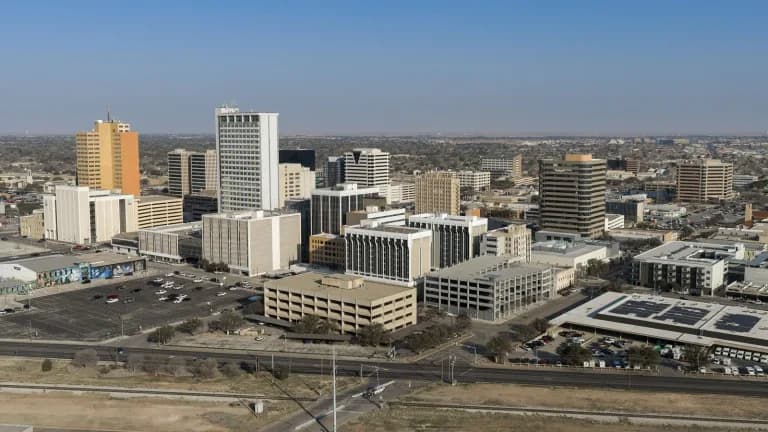
Hero photo: Michael Barera via Wikimedia Commons, CC BY-SA 4.0, cropped and resized.