

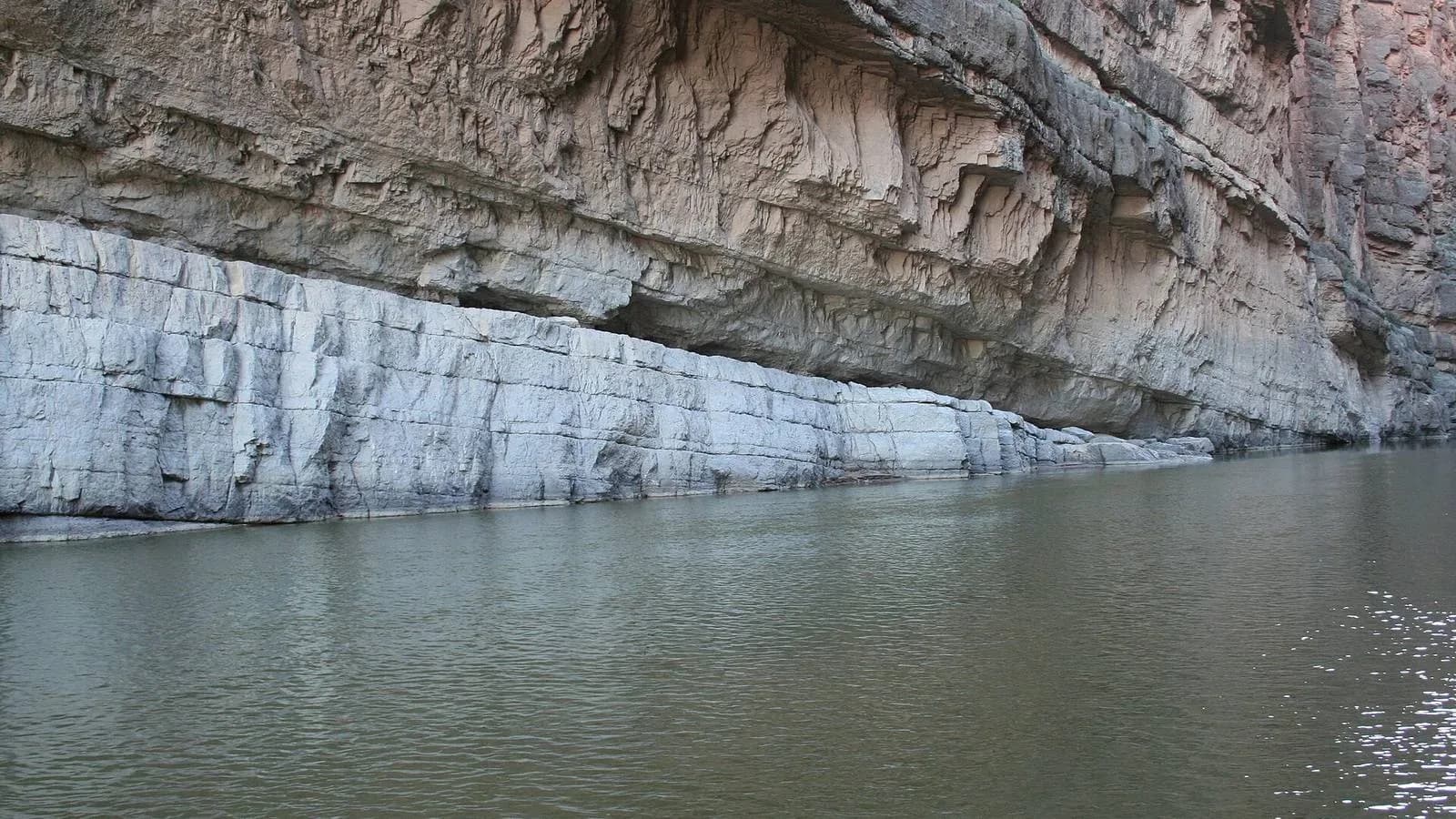
Big Bend Border Wall Challengers Ask the Supreme Court to Keep Construction Halted
In a 40-page filing Thursday, the church group, landowner and environmental group suing over the Big Bend wall told the justices that lifting a judge's order would let blasting and bulldozing resume. The government says the order hurts border security.
The people suing to stop a border wall in the Big Bend region asked the U.S. Supreme Court on Thursday to leave a federal judge's order in place that halts construction while their case goes forward.
In a 40-page filing, Eric Glitzenstein, a lawyer for the challengers, told the justices that lifting the order would let the Trump administration "immediately resume blasting, bulldozing, road construction, and other border barrier-related construction across one of the most remote and ecologically and culturally significant landscapes in the United States," SCOTUSblog reported.
The filing answers the Trump administration's emergency request, filed Oct. 21, to lift that order. The court has not said when it will act.
Who is suing, and what the judge did
The challengers are an environmental group, a local landowner and a group formed to preserve a church, according to SCOTUSblog. CBS News described them as an environmental nonprofit, a professional riverboat guide and a religious organization dedicated to preserving the Sacred Heart of the Church of Jesus along the Rio Grande. They sued in April.
The fight is over three waivers of environmental and conservation laws issued this year by then-Homeland Security Secretary Kristi Noem and her successor, Markwayne Mullin. A 1996 immigration law lets the secretary "waive all legal requirements" needed "to ensure expeditious construction" of border walls and roads.
On Oct. 2, U.S. District Judge Kathleen Cardone of El Paso barred Homeland Security from continuing construction in the Big Bend region "until and unless" it complies with environmental and other applicable laws. In an Oct. 14 opinion, she found the challengers were likely to win under the major questions doctrine, the idea that Congress must speak clearly when it gives an agency power over decisions of vast economic or political significance.
Another part of the 1996 law speaks of barriers "to deter illegal crossings in areas of high illegal entry." Cardone found that the Big Bend Sector covers more than 25% of the U.S.-Mexico border but accounts for only 0.3% to 2.2% of border apprehensions. "If the Big Bend Sector is an area of high illegal entry, so is every other sector," she wrote, according to SCOTUSblog.
What the government says
Solicitor General D. John Sauer asked the justices on Oct. 21 to pause Cardone's order and to summarily reverse it. "The district court's injunction significantly frustrates the government's ability to stop the flow of illegal aliens and drugs across the southern border," he wrote, according to CBS News.
The government says more than 89,000 people were apprehended trying to cross illegally in the Big Bend Sector between 2021 and 2025. It also argues the district court had no power to hear the major questions claim at all, and that Congress did clearly authorize the secretary both to build barriers and to waive laws to speed them up.
The project calls for 30-foot bollard walls from Fort Quitman to Closed Canyon in Big Bend Ranch State Park, with walls and roads spanning more than 300 miles, CBS reported. CBP has said the wall itself will not cut through Big Bend National Park, but patrol roads, detection technology and about 17 miles of vehicle barriers would.
What the challengers say
In Thursday's brief, the challengers argued that waiving "myriad federal, state, local, and tribal laws across vast geography" to build border infrastructure, "even through national and state parks where border crossings are miniscule, is a truly 'extraordinary' assertion of power."
They also argued that a temporary halt will not do lasting harm to Homeland Security. Before Cardone ruled, they noted, the department "voluntarily paused construction for weeks in vast portions of the project area" in response to "intense local opposition."
That opposition crossed party lines. Lawmakers from both parties, cattle ranchers and local law enforcement in Texas pushed back after videos showed bulldozers arriving at Big Bend National Park, CBS reported.
What happens next
The government has asked the justices to pause Cardone's order or to take up the case and summarily reverse it. Until the court acts, construction in the Big Bend Sector remains halted, and the lawsuit itself continues in El Paso.
Securing the border is a real duty, and the government is right that a gap can draw traffic. But Congress wrote limits into the waiver law, and West Texans along the river deserve to have those limits honored. Let the court decide on the law and the evidence, and let both sides abide by the answer.
Related on Dock Line: Border Wall Could Be Rerouted Through Santa Ana Wildlife Refuge
More Politics & Government Stories
 Yesterday
Comptroller Don Huffines Did Not Disclose His Role With a Firm That Invests in SpaceX. His Campaign Says He Has No Stake
 Yesterday
Gainesville Votes on 16 Charter Changes, Including Term Limits and an Appointed Judge
 Yesterday