Consumer Prices Rose 0.4% in October, More Than Economists Expected
The Labor Department said the Consumer Price Index rose 0.4 percent in October, above forecasts, as the Federal Reserve prepares for its December meeting.
The facts come first below. My opinion follows in the section marked as opinion.
Consumer prices rose more than expected in October, the Bureau of Labor Statistics reported Tuesday, adding to the case at the Federal Reserve for another interest-rate increase next month.
The Consumer Price Index for All Urban Consumers increased a seasonally adjusted 0.4 percent in October after a 0.6 percent rise in September, the bureau said. The index for all items less food and energy, often called core CPI, rose 0.3 percent, the same as in September and August. CNBC reported that economists surveyed by Dow Jones had expected a 0.3 percent increase in the headline index and a 0.2 percent increase in the core index. A Reuters dispatch said economists polled by Reuters had also expected core monthly inflation to fall to 0.2 percent.
What went up, and what the government could not calculate
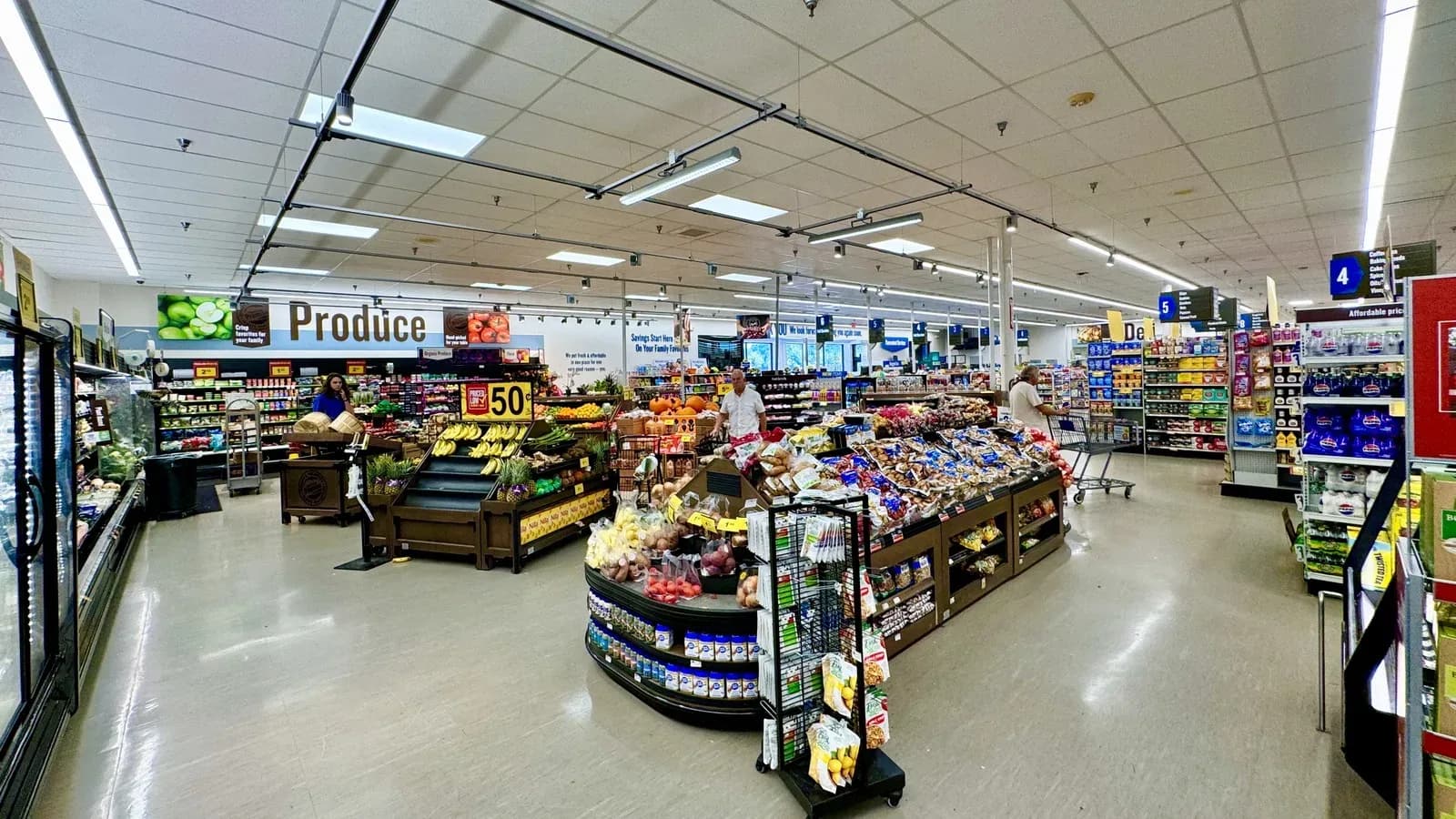
The BLS release said the shelter index rose 0.3 percent and accounted for over 30 percent of the monthly all-items increase. The food index increased 0.5 percent, with food at home up 0.4 percent and food away from home up 0.5 percent. The energy index increased 0.7 percent after a 5.2 percent jump in September. Gasoline rose 1.0 percent on a seasonally adjusted basis, electricity rose 0.9 percent, and utility piped natural gas fell 0.8 percent. Used cars and trucks declined 1.2 percent. Transportation services rose 0.8 percent.
The bureau did not publish a 12-month all-items inflation rate. It explained that it did not collect survey data for October 2025 because of a lapse in appropriations and therefore could not publish October 2025 indexes for most series, or 12-month percent changes for October 2026 where those earlier figures are missing. That gap is a measurement problem, not a claim that prices have stopped rising.
Those monthly details match the account in CNBC's report, which also noted a 1 percent increase for snacks, a 0.9 percent increase for beef, a 0.2 percent increase for new vehicles and a 0.5 percent increase for medical care commodities. Electricity costs matter for households and for the data-center debate already in Congress, including the permitting bill described in Senate Votes 73-25 to Begin Debate on Energy Permitting Bill.
What Fed officials said, and what is not decided
The Federal Reserve meets Dec. 8-9. At the October meeting, CNBC reported, officials voted 10-2 to keep the benchmark rate in a range between 3.75 percent and 4 percent. Both CNBC and Reuters reported that Fed Governor Christopher Waller, speaking in London before the release, said a hotter core reading could put a half-point increase on the table. Reuters quoted him saying, "In that case, I believe a 50-basis-point hike in the policy rate should be considered at the December meeting."
CNBC reported that Dallas Fed President Lorie Logan, speaking after the report, said she sees a need for two additional quarter-point increases and that the report was "higher than expected." Reuters likewise reported that Logan said it "may be possible to move more rapidly" and that she believes the Fed needs to raise rates by at least half a percentage point more before pausing. Both outlets said financial markets moved after the data, with stocks lower and Treasury yields higher, and that traders priced a quarter-point December increase while assigning a smaller chance to a half-point move. Market odds can change. They are not a vote by the Federal Open Market Committee.
Opinion: Families feel prices; officials still have to tell the truth about causes
A 0.4 percent monthly rise will not surprise anyone who has paid a grocery bill, a rent notice or an electric statement. Inflation is not a cable-news abstraction. It taxes people who did not vote for it and cannot easily hedge against it.
The Fed should explain itself in plain language. So should elected officials who talk as if tariffs, war, energy policy and loose money have nothing to do with the ticket at the store. A missing year-over-year figure because of last year's shutdown is an inconvenience for analysts. It is not an excuse to pretend the cost of living has been solved.
Interest-rate decisions have real costs, including for borrowers, employers and savers. That is why a speech about a possible half-point increase is not the same thing as a decision. Watch what the committee actually does in December, and measure it against whether prices, not talking points, are coming back under control.