New York High Court Dismisses Buffalo Shooting Social Media Suits
New York's Court of Appeals, in a 4-3 decision, affirmed dismissal of suits against social media companies over the 2022 Buffalo grocery-store shooting, ruling on proximate cause and leaving Section 230 undecided.
The facts come first below. My opinion follows in the section marked as opinion.
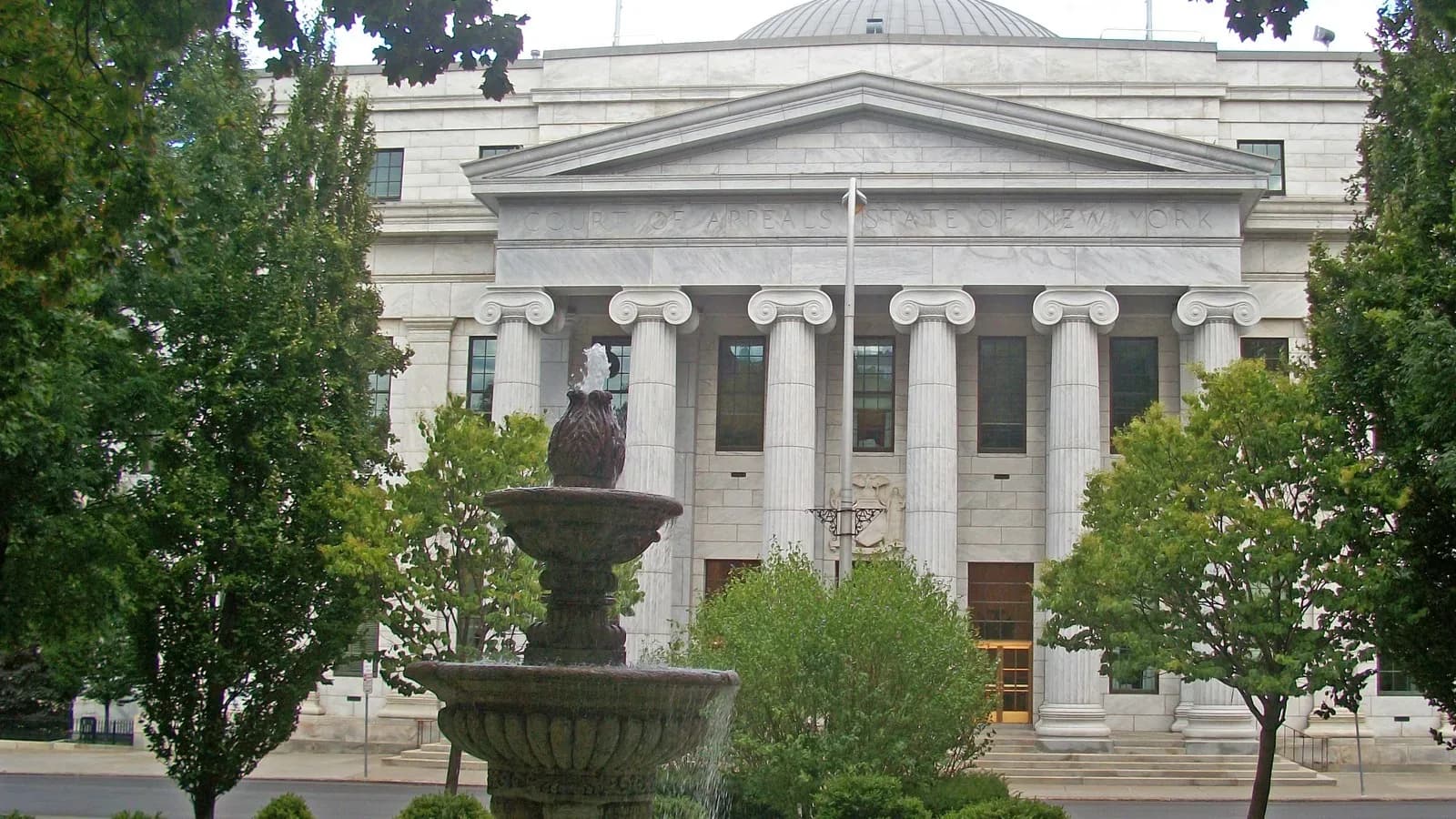
New York's highest court on Monday affirmed the dismissal of lawsuits that sought to hold social media companies liable for a racist mass shooting at a Buffalo grocery store, in a 4-3 decision that turned on legal causation and left a federal immunity question undecided, according to the Court of Appeals opinion and a report by Reason.
The unsigned memorandum in Patterson v. Meta Platforms, Inc., and three companion appeals, is dated Nov. 23, 2026, and is marked uncorrected and subject to revision before publication in the New York Reports. "In each case, the order of the Appellate Division should be affirmed, with costs," the court wrote. Judges Garcia, Singas, Cannataro and Halligan concurred, with Judge Halligan writing a concurring opinion. Judge Rivera dissented in part, joined by Chief Judge Wilson and Judge Troutman.
The memorandum opens with the attack itself. On May 14, 2022, a man motivated by "heinous white supremacist ideologies" he allegedly adopted due to content he viewed on social media carried out a mass shooting at a Buffalo grocery store, killing 10 and injuring three others, the court said. Plaintiffs, described as victims of the shooting and their family members, sued the shooter's parents, firearms manufacturers, and social media companies. The appeals before the Court of Appeals concerned only the claims against the platforms.
The court left in place the dismissal of claims against Discord, Amazon, Twitch, and 4chan. Plaintiffs had alleged those platforms were hotbeds of violent and radicalizing content, the memorandum said, but had not alleged that those platforms possessed the addictive features that plaintiffs argued would take the claims outside section 230 of the Communications Decency Act.
As to Meta Platforms, Instagram, Snap, Alphabet, Google, YouTube, and Reddit, the majority said the complaints failed to adequately plead that features of the companies' products proximately caused the plaintiffs' injuries. The complaints, even accepting the factual allegations as true, failed to establish that the shooter's actions were a natural and foreseeable consequence of these defendants' decisions about how to design and operate their platforms, the court wrote. Instead, under the circumstances, "the shooter's actions were so extraordinary as to sever the causal chain as a matter of law."
"We therefore need not address the scope of section 230 of the Communications Decency Act or how it would apply to the claims against these defendants," the majority said. A footnote added that the conclusion is limited to the unusual facts of this case, where the platforms' assertedly addictive features were alleged to have harmed the shooter rather than the plaintiffs directly. Reason, in a same-day report by Eugene Volokh, quoted those passages and described the vote as 4-3.
Judge Halligan joined the majority because she agreed that the plaintiffs had not adequately pleaded proximate causation, according to her concurring opinion. Judge Rivera, dissenting in part, said she would reverse and reinstate the complaints against the social media defendants. In her view, the plaintiffs had sufficiently pleaded product-liability and failure-to-warn claims based on alleged addictive design, especially as to children, and "Section 230 does not render defendants immune to those claims."
The ruling is a civil decision about what the complaints alleged, not a criminal judgment in the shooting case. It also stands apart from other recent court fights covered here, including Second Circuit Revives Trump Bid to Move Hush Money Case.
Opinion:
The massacre in Buffalo was an act of racist evil. Ten people were murdered in a grocery store. Nothing in a court's discussion of proximate cause should be read as a softening of that fact, or as a claim that online radicalization is harmless. The shooter bears the first and heaviest blame. The platforms that profit from keeping people hooked are not, as a moral matter, spectators.
What the Court of Appeals decided is narrower, and the court was careful to say so. It held that, on these pleadings, "the shooter's actions were so extraordinary as to sever the causal chain as a matter of law," in the majority's words, and it declined to decide the reach of Section 230. That is not a blessing of the business model. It is a ruling that this particular crime, as alleged, was too far removed from the design choices the plaintiffs blamed. Judge Halligan joined on that causal point. Judge Rivera, with two colleagues, would have let the product claims go forward and said Section 230 does not bar a suit over a company's own design.
Those two views can be reported honestly. Families who buried the dead wanted a path in court. The majority said this path was not legally open. Legislatures, prosecutors, and parents still have work to do, and so do companies that built tools they know can deepen a young man's darkness. A dismissed lawsuit is not a verdict that no one should care. It is a reminder that civil liability has limits, and that moral responsibility is not the same thing as a cause of action.