Republican Senators Resist Trump's Lame-Duck Push to Confirm Judges
Several Republican senators are blocking or questioning Trump judicial nominees in the lame-duck session, the Associated Press and Reuters reported.
The facts come first below. My opinion follows in the section marked as opinion.
A last-minute effort by President Donald Trump to confirm as many federal judges as possible before Democrats take control of the Senate is running into resistance from some fellow Republicans, Reuters reported Sunday. The Associated Press said several Republican senators are complicating a White House plan to leave an enduring imprint on the judiciary, by throwing up obstacles for a handful of nominees in the final weeks of the GOP majority.
Senate Republicans have confirmed 57 of Trump's second-term nominees to lifetime seats, both outlets reported. The AP, citing the Senate Judiciary Committee, said 24 nominations were still pending as of Wednesday. Reuters said the Senate confirmed its first lame-duck judicial nominee on Thursday and that 23 remain. Senate Majority Leader John Thune said Monday that judicial confirmations were a top priority while Republicans still control the chamber, Reuters reported. A White House official said, "We expect all judicial nominees pending in the Senate to be confirmed this year."
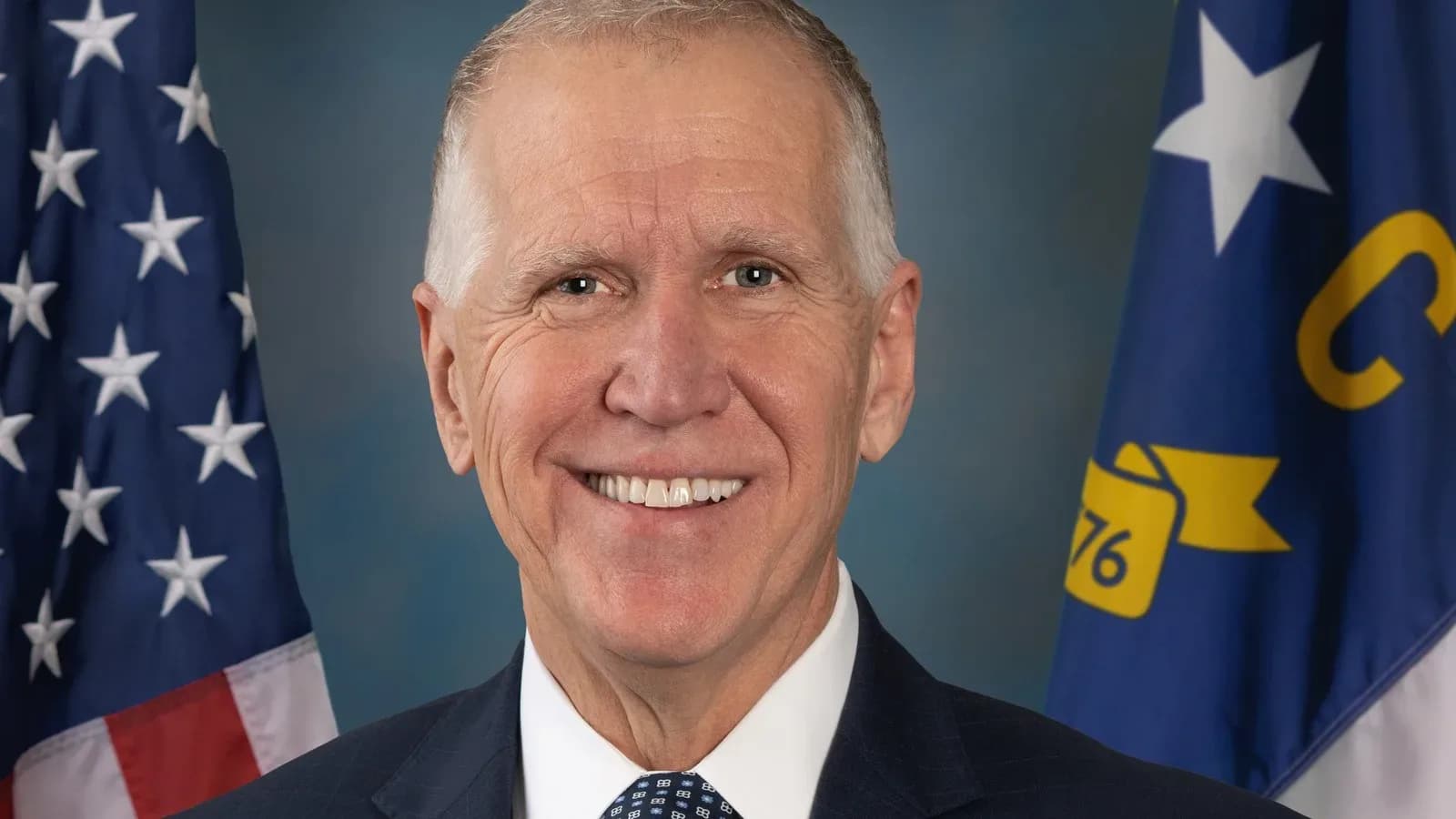
Two outgoing Republicans on the Judiciary Committee, Sen. Thom Tillis of North Carolina, who is retiring, and Sen. John Cornyn of Texas, who lost a primary to a Trump-backed challenger, can deny nominees the votes needed to advance, Reuters said. The AP reported they are using that leverage to block nominations on behalf of Republicans who are not on the panel. Tillis told the AP his message to the White House was, "Don't treat us like a manufacturing facility. Treat us like the U.S. Senate." "I'm not making a judgment about the merit of the nominee. I'm calling a foul on a process," he said. "And the sooner the White House gets that, the more productive this next two years will be. If they don't, they do so at their own peril."
The White House on Tuesday withdrew the nomination of U.S. District Judge Lee Rudofsky to the 8th U.S. Circuit Court of Appeals and replaced him with Arkansas Supreme Court Justice J. Cody Hiland after Sens. John Boozman and Tom Cotton of Arkansas opposed Rudofsky, Reuters reported. The AP said Cornyn and Tillis had privately told Judiciary Chairman Chuck Grassley they would vote against Rudofsky in committee, according to two people familiar with the discussions. Boozman told the AP, "we talked with other people that were certainly as capable." Before the nomination was pulled, Cornyn said, "The idea that you're just going to roll over - that (the) White House has rolled over two senators from that state - obviously, other senators can see that happening to them if they sit and watch it happen."
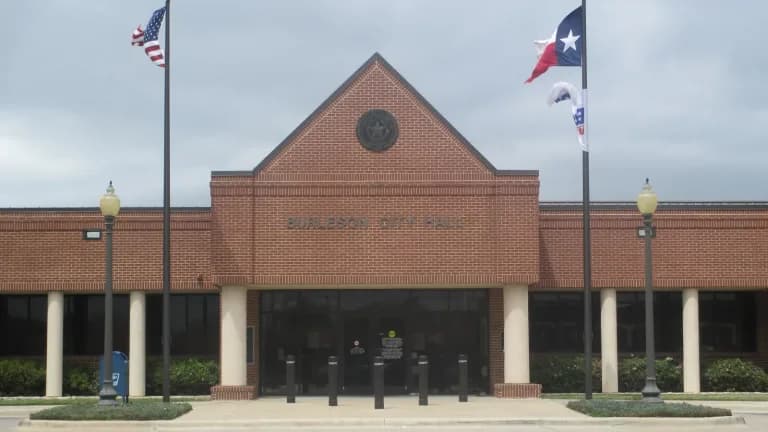
In Texas, Cornyn has declined to commit to supporting T. Elliot Gaiser, who leads the Justice Department's Office of Legal Counsel, for a federal judgeship in Dallas, Reuters reported. The AP said Gaiser was first contacted by Sen. Ted Cruz's staff on Nov. 4, according to his Senate questionnaire, and has not been vetted by the bipartisan committee traditionally used in Texas. "Trying to air-drop somebody else in at the last minute for the Dallas vacancy that hasn't been through that process, I think, is a concern," Cornyn told the AP. Reuters said that without a blue slip from Cornyn, Gaiser cannot appear at a committee hearing on Wednesday. A separate Texas nomination already in public view is Trump's choice of Texas Supreme Court Justice James Sullivan for the Western District bench.
In Oklahoma, appointed Sen. Alan Armstrong initially supported Zachary West, a lawyer in the state attorney general's office, then withdrew that support, both outlets reported. Grassley postponed a committee vote on West on Tuesday, the AP said. Armstrong told the AP his objections were "just purely qualification, versus the other candidates that we've suggested," and that the White House "basically ignored" other recommended names. He told Reuters, "We put up a lot of really qualified candidates that we sent to the White House, and they basically ignored that and just put through their one." Armstrong leaves the Senate on Nov. 30 and will be replaced by Sen.-elect Kevin Hern. Tillis said he will keep blocking West for now. "When I've got two Republicans from the state telling me to move on it, I move on it," he said. "If I have one or more asking me not to, then I'm not."
Reuters said Trump made 234 judicial appointments in his first term, including three members of the Supreme Court's current 6-3 conservative majority, and that roughly one-third of active federal judges are now Trump appointees. In a Wall Street Journal opinion essay, Grassley wrote, "The stakes are far too high for Republicans to take their feet off the gas now," the AP reported. Asked whether he worried about angering the White House or Senate leaders, Tillis told the AP, "I couldn't care less."
Opinion:
Lifetime judicial seats are not party favors, and they are not widgets on an assembly line either. The Constitution gives the president the nomination and the Senate the advice and consent. Senators are right to insist on being heard when a nominee is dropped into a state the day after an election without the usual screening. They are wrong if they spend the last weeks of a majority running out the clock over bruised feelings.
A Democratic Senate will not confirm this president's judges after January. That is not a secret. The majority Republicans still hold is the last practical chance to fill vacancies with men and women who will read the law as written. Process matters. So does time. The White House should stop treating home-state senators as a rubber stamp. Those senators should not confuse a procedural foul with a reason to leave seats empty. Confirm the ones who are qualified, reject the ones who are not, and do it while the votes are still there.