Shackled in New York, Maduro Won't Plead to Torture Charges. Justice Should Still Be Done Right.
Nicolás Maduro called new U.S. torture charges 'false accusations' and refused to plead, so a judge entered not guilty for him. Trial is set for June 14.
Nicolás Maduro, the deposed president of Venezuela, stood shackled at the ankles in a New York federal courtroom Thursday and refused to enter a plea to new charges that he ran a state torture system. The judge entered one for him: not guilty.
Maduro and his wife, Cilia Flores, face a rewritten indictment that expands an earlier drug trafficking case to accuse them of leading a state-sponsored repression campaign that tortured scores of victims, including three Americans, NBC News and The Associated Press reported. The U.S. military seized the couple from their home in Caracas in a nighttime raid in January.
"False accusations"
Twice, U.S. District Judge Alvin K. Hellerstein asked Maduro how he pleaded. Twice, through an interpreter, Maduro attacked the indictment instead, calling it "false accusations and false testimony." The judge cut in: "A plea of not guilty will be entered on behalf of Mr. Maduro."
Flores answered directly. "I am completely innocent," she said. "I am not guilty."
CBS New York reported that Maduro, 63, waved to the gallery and said "good morning" in Spanish on his way in, and waved to the judge on his way out. A small group of anti-Maduro demonstrators gathered outside.
What the indictment alleges
According to the indictment, Maduro oversaw a torture system that beat, asphyxiated and shocked its victims. CBS reported the alleged methods also included starvation. He is accused of personally recommending torture methods, receiving updates on how specific victims were being treated, and threatening to kill a prisoner's child as a form of psychological torture, NBC reported.
Flores, 70, a former attorney general of Venezuela, is accused of helping develop the system and ordering the torture of specific people. The allegations go back to 2013, when Maduro took over from his mentor, Hugo Chávez. The couple are accused of conspiracy to commit torture, CBS reported. They pleaded not guilty this year in the earlier U.S. drug case, NBC reported.
Their lawyers argue the case should be thrown out because a former head of state and first lady are immune. Maduro's attorney, Barry Pollack, has said his client denies the charges and "looks forward to his day in court." Maduro has also been under investigation for years by the International Criminal Court over alleged crimes against humanity, which he has always denied, according to NBC.
The trial is now set for June 14, two weeks later than planned, with another pretrial hearing Dec. 17. Pollack called the schedule "very aggressive" but said he hoped to keep it.
President Trump, asked about the charges earlier this week, said, "It's going to go through court, but he did some very bad things," according to CBS.
A rare prosecution
Torture is a crime under international law, and it can be prosecuted outside the country where it happened, regardless of the victims' nationality. But the United States has rarely tried foreign officials for it. NBC noted only a few cases, including the son of former Liberian President Charles Taylor, Russians responsible for war crimes in Ukraine and a former prison warden in Bashar Assad's Syria.
Justice, even for the powerful
For years, Venezuelans who opposed Maduro had little hope that anyone would answer for what they say happened in his prisons. Now a man who once commanded a nation's army sits in an American courtroom wearing leg shackles, listening through headphones while a judge tells him how things will go.
Scripture has a word for that kind of reversal. "He hath put down the mighty from their seats, and exalted them of low degree" (Luke 1:52). No ruler is above the law of God, and in a just system, no ruler is above the law of man either.
That cuts both ways. If justice means anything, Maduro gets a fair trial. The government has to prove its case with evidence, not slogans, and his lawyers have every right to argue immunity and test every witness. A conviction won on shortcuts would cheapen the very thing his alleged victims were denied. Americans of all people should want this done right. As Dock Line noted about another high-profile trial this week, an accusation is not a verdict.
Questions about how Maduro got to New York, a military raid on a foreign capital, are fair ones and will be argued for years. But the torture charges themselves describe something every Christian should name plainly as evil: men and women beaten, starved and shocked in the dark because they opposed a ruler. "Remember them that are in bonds, as bound with them; and them which suffer adversity" (Hebrews 13:3). The victims, including three Americans, deserve their day in court too.
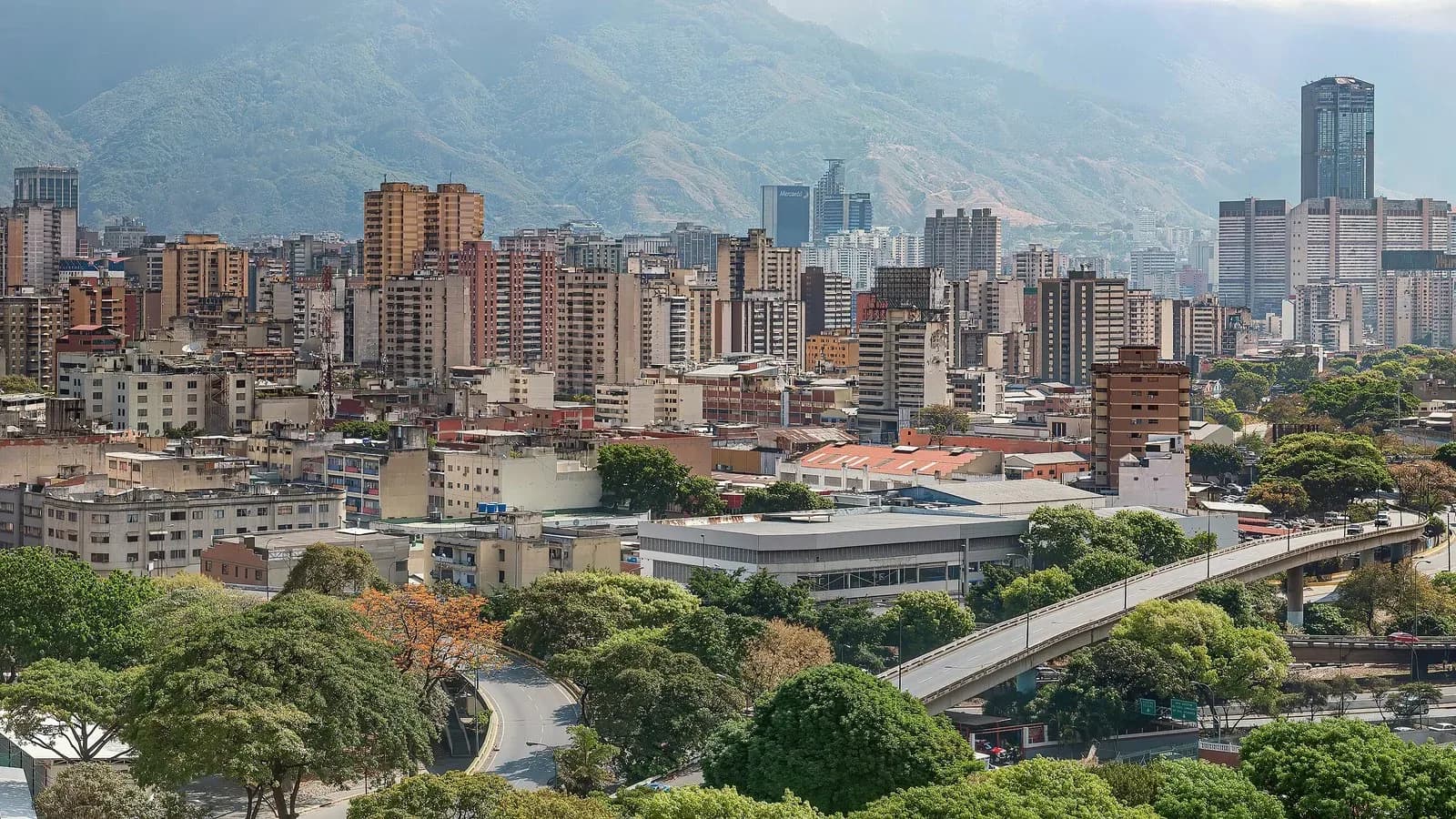
Hero photo: Wilfredor / Wikimedia Commons, CC0 (public domain dedication).