Texas Early Voting Enters Its Final Week. Here Is What to Know Before Friday
In-person early voting ends Friday, Oct. 30. Many counties run longer hours this week. Here are the deadlines, the ID rules if you forget yours, and what you cannot bring into the polls.
Texans have five days left to vote early in person. The early voting period for the Nov. 3 general election ends Friday, Oct. 30, according to the Texas Secretary of State's election calendar.
Early voting opened Oct. 19. If you have not voted yet, this is the week to do it, or at least to make a plan for Election Day. Here is what you need to know.
The dates that matter
Friday, Oct. 30: Last day of early voting in person.
Tuesday, Nov. 3: Election Day. It is also the deadline for mail ballots to arrive, by 7 p.m., if the carrier envelope is not postmarked.
Wednesday, Nov. 4: A mail ballot postmarked by 7 p.m. on Election Day, at the location of the election, still counts if it arrives by 5 p.m. this day. Different deadlines apply to some overseas and military voters.
The deadline to apply for a mail ballot passed on Friday, Oct. 23. If you have a mail ballot at home, the Secretary of State's calendar shows how much time you have to get it back. Do not wait until the last day.
Longer hours this week
Early voting hours are set by each county, so they vary. Many counties stretch their hours in the final week. Gillespie County's schedule, for example, shows early voting open from 7 a.m. to 7 p.m. Monday through Friday this week, up from 8 a.m. to 5 p.m. during the first week. On Election Day, polls there are open 7 a.m. to 7 p.m.
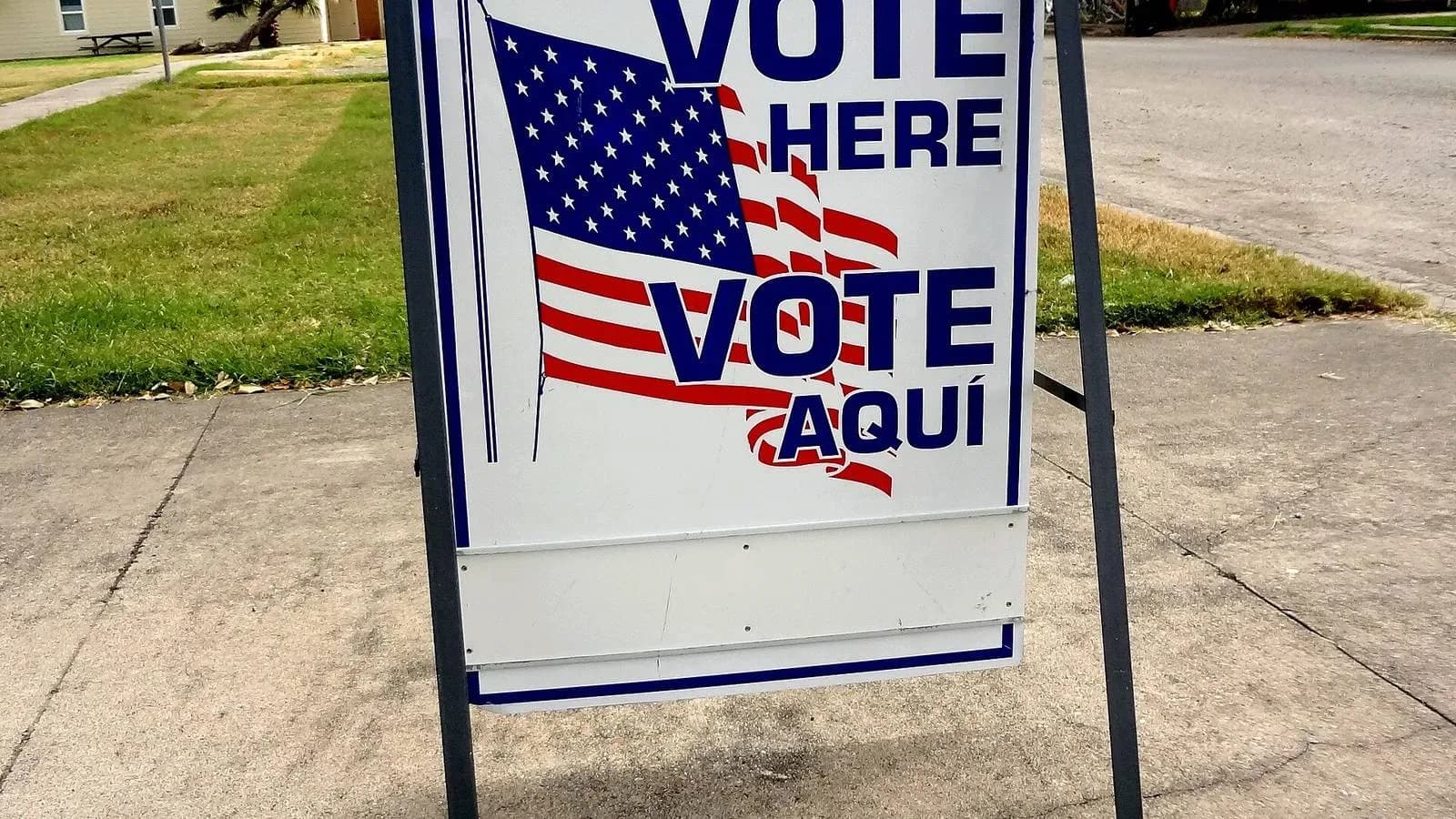
VoteTexas.gov says Texans can vote early at a location in their political subdivision that is close to where they live or work. Check your county elections office for exact hours and locations before you go.
Texas was the first state to offer in-person early voting, in the 1980s, according to VoteTexas.gov. You do not need a reason to vote early. If you are registered and qualified to vote on Election Day, you can vote early.
If you forget your ID
Dock Line's earlier guide to the ballot lists the seven forms of photo ID Texas accepts at the polls. But what if you have one and leave it at home?
According to the Secretary of State's voter ID page, you can still vote a provisional ballot. You then have six days to show an acceptable photo ID to the county voter registrar, or your ballot will be rejected. During early voting, the easier choice is usually to go home, get your ID and come back.
If your name on your ID does not exactly match the voter rolls but is "substantially similar," you can still vote after signing an affidavit that you are the same person.
What not to bring inside
The Secretary of State's guide to what is not allowed at the polling place covers a few rules that trip people up every election:
Campaign gear: You may not wear clothing or buttons relating to a candidate, measure or political party. A presiding judge can ask you to remove or cover it.
Phones: You may not use a cell phone or other wireless device in the room where voting is taking place, and no one may record images or sound within 100 feet of a voting station. Leave the ballot selfie for the parking lot.
Signs and literature: Campaign signs and literature are not allowed within 100 feet of the entrance.
Firearms: State law generally bars firearms at polling places, except for peace officers.
Why it is worth the trip
This is a long ballot. Every Texan will see races for U.S. Senate, governor, lieutenant governor, attorney general and other statewide offices, plus judges, legislators and, in many places, local bonds and tax measures. There are no statewide constitutional amendments this year. Judicial races in particular get little attention, and they are often decided by people who did their homework.
Look up your sample ballot on your county elections website, read it at the kitchen table and decide before you get in line.
Scripture tells believers to pray "for kings, and for all that are in authority; that we may lead a quiet and peaceable life in all godliness and honesty" (1 Timothy 2:1-2). Voting does not replace prayer, but it is one way to love your neighbor through the government God has given us. Pray over your ballot, then go cast it.