The Supreme Court Will Decide Whether You Can Distill Spirits at Home. Washington Should Have to Justify the Ban.
The Supreme Court agreed Monday to decide whether the federal ban on distilling spirits at home, passed in 1868 to fight tax evasion, is constitutional.
The facts come first below. My opinion follows in the section marked as opinion.
Americans can brew beer and make wine at home for their own use. They cannot legally distill whiskey or gin in their own kitchen, and they have not been able to since Reconstruction. The Supreme Court said Monday it will decide whether that ban is constitutional.
The justices agreed to hear Department of Justice v. McNutt, NBC News reported. The case challenges a federal law that bars distilling spirits in "any dwelling house" or in "any shed, yard, or inclosure connected with any dwelling house," according to the question the Court agreed to answer. Violators can face a fine of up to $10,000 and up to five years in prison, NBC reported.
A tax law from 1868
Congress passed the ban in 1868 to fight tax evasion by people making spirits, according to NBC and The Washington Post. The Justice Department's petition says Congress "restricted home distilling 160 years ago" because of widespread tax evasion. It adds that the distilled-spirits tax "was used to pay Revolutionary War debts at the Founding and now generates billions of dollars in tax revenue every year," JURIST reported.
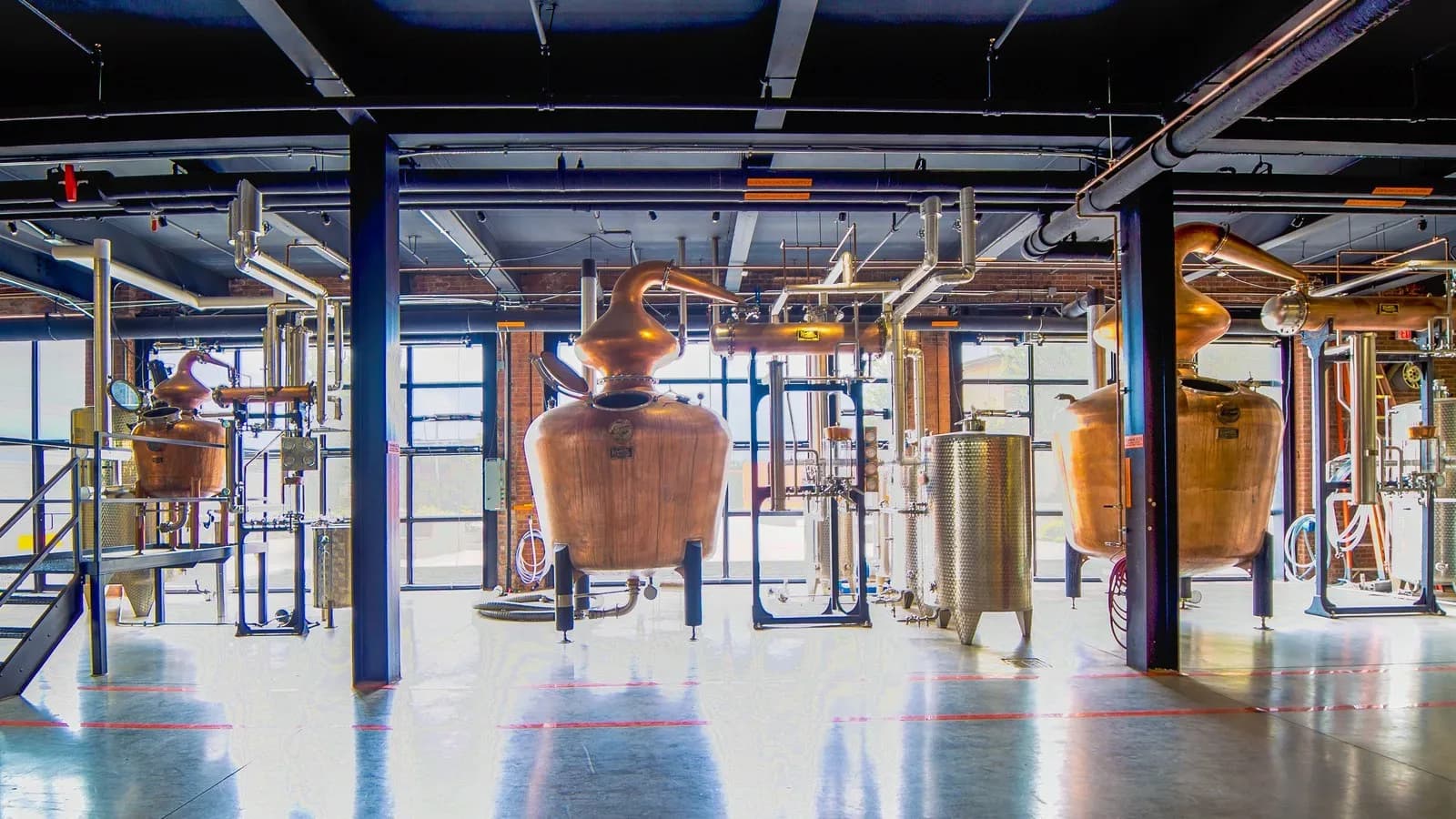
The challengers include the Hobby Distillers Association and several members. One is Scott McNutt of Robbinsville, N.J., who owns a still he had used to make fuel alcohol. He has said he wants to "tinker around" with crafting spirits at home, the Post reported. Another, Rick Morris, makes stills that can be used at home. They sued in Texas after a Treasury Department bureau told them they could not get a license to distill at home.
In April the U.S. Court of Appeals for the 5th Circuit sided with them. According to JURIST, the court reasoned that banning otherwise taxable production does not advance Congress's power to tax. It warned that the government's logic could justify criminalizing almost any home activity that might hide taxable conduct. The 6th Circuit upheld the ban in a separate Ohio case, and that split is why the Supreme Court stepped in.
Solicitor General D. John Sauer argues the law steers distilling to places where taxes are harder to dodge. In a brief, he wrote that home distillers "can more easily conceal a distilling operation or thwart necessary inspections," the Post reported. NBC noted that even if the challengers win, they would still have to register their stills and pay excise tax on what they make. SCOTUSblog expects arguments early next year and a decision by late June or early July.
Opinion: Let the people tinker, and drink soberly
This is a small case with a large question inside it: how far can Washington reach into a man's home to protect its revenue? The 5th Circuit's warning deserves to be taken seriously. If Congress can forbid a lawful, taxable activity in your house because you might cheat on the tax, it is hard to say where that power stops. The government still has every tool it needs, including registration, inspection and the excise tax itself, which home distillers would still owe.
Conservatives should also be honest about the other half of the story. Scripture treats wine as a gift, "wine that maketh glad the heart of man." But it also warns that "wine is a mocker, strong drink is raging," and it commands, "be not drunk with wine, wherein is excess." A free country leaves those choices to families and churches and holds each man responsible for what he does with them. That is harder than banning things, and it is better.
If the challengers win, the hobbyist in his garage should register the still, pay the tax, and keep it sober. If the government wins, it should at least have to show that this 158-year-old law does more than keep honest people from a hobby. Either way, it is good that the Court will decide it.
The same Monday order list also ended the 9/11 defendants' plea-deal fight, as Dock Line reported in Supreme Court Rejects 9/11 Mastermind's Bid to Revive Plea Deal.