
By the time summer settles into Montgomery County, a lot of spring gardens start looking tired. The same plants that looked great in April can begin to fade once the heat gets serious. That is where herbs like rosemary, basil, and oregano earn their keep. They are practical, useful in the kitchen, and much better suited for a Texas summer than many delicate garden plants.
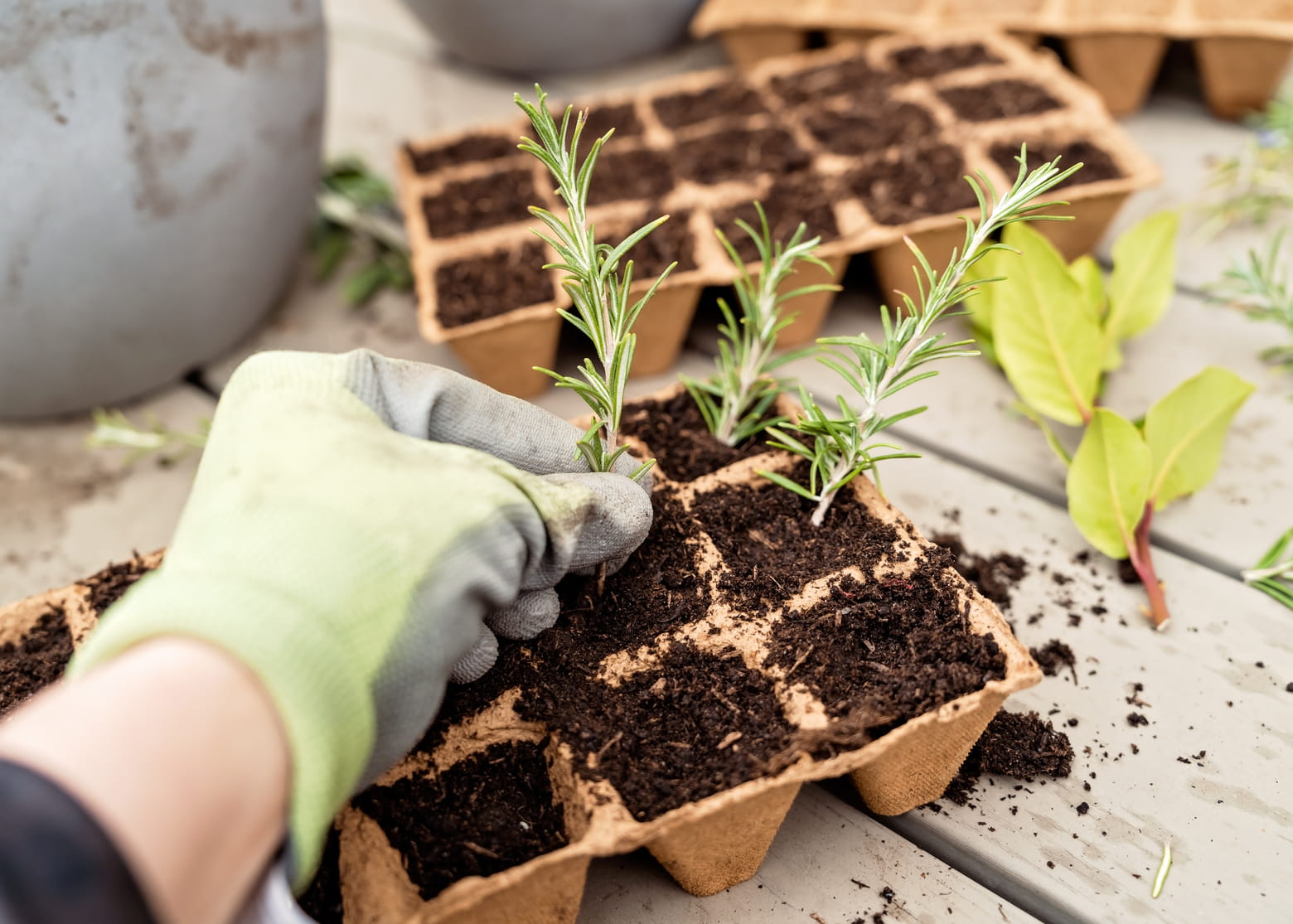
Texas A&M AgriLife notes that herbs can grow well in limited spaces, including pots, raised beds, and small garden areas, which makes them a good option even if you are not working with a full backyard garden. Their herb gardening tips for Texas are a good starting point for anyone wanting to keep things simple.
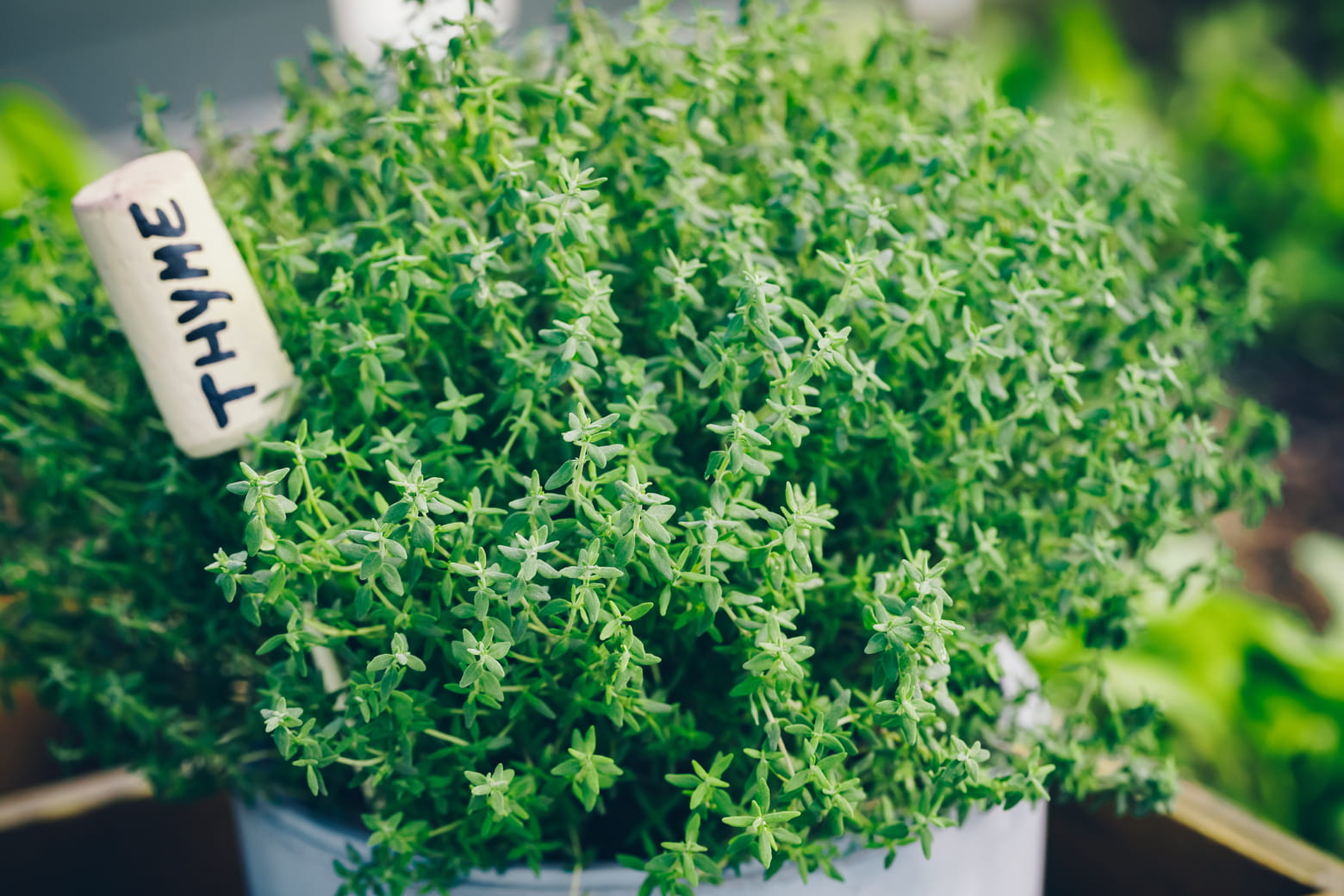
Why Rosemary Works So Well in Texas Heat
Rosemary is one of the easiest herbs to appreciate once the weather turns hot. It likes sun, does well in drained soil, and does not need constant attention. In fact, one of the easiest ways to hurt rosemary is to overwater it. Texas A&M AgriLife’s Easy Gardening guide for rosemary specifically points out that too much water or poor drainage can cause problems.
For most home gardeners, rosemary does best when you let the soil dry out between waterings. A deep watering once or twice a week during hot weather is usually better than a little water every day. If it is planted in a pot, make sure the container drains well. Rosemary is not fussy, but it does not like sitting wet.
Why Basil Still Deserves a Spot in the Summer Garden
Basil needs a little more attention than rosemary, but it is worth it. It grows quickly, smells great, and turns a simple meal into something that feels fresh. Basil usually prefers more consistent moisture, especially when the days are hot and the plant is producing new leaves.
The trick is not to drown it. Water when the top inch of soil starts to dry, and try to water at the base instead of soaking the leaves. If the plant starts flowering, pinch those blooms back so it keeps producing leaves. Dock Line has covered similar practical growing advice in When to Plant Vegetables in Houston, especially when it comes to understanding how Southeast Texas heat changes the growing season.
Why Oregano Is a Low-Stress Herb for Summer
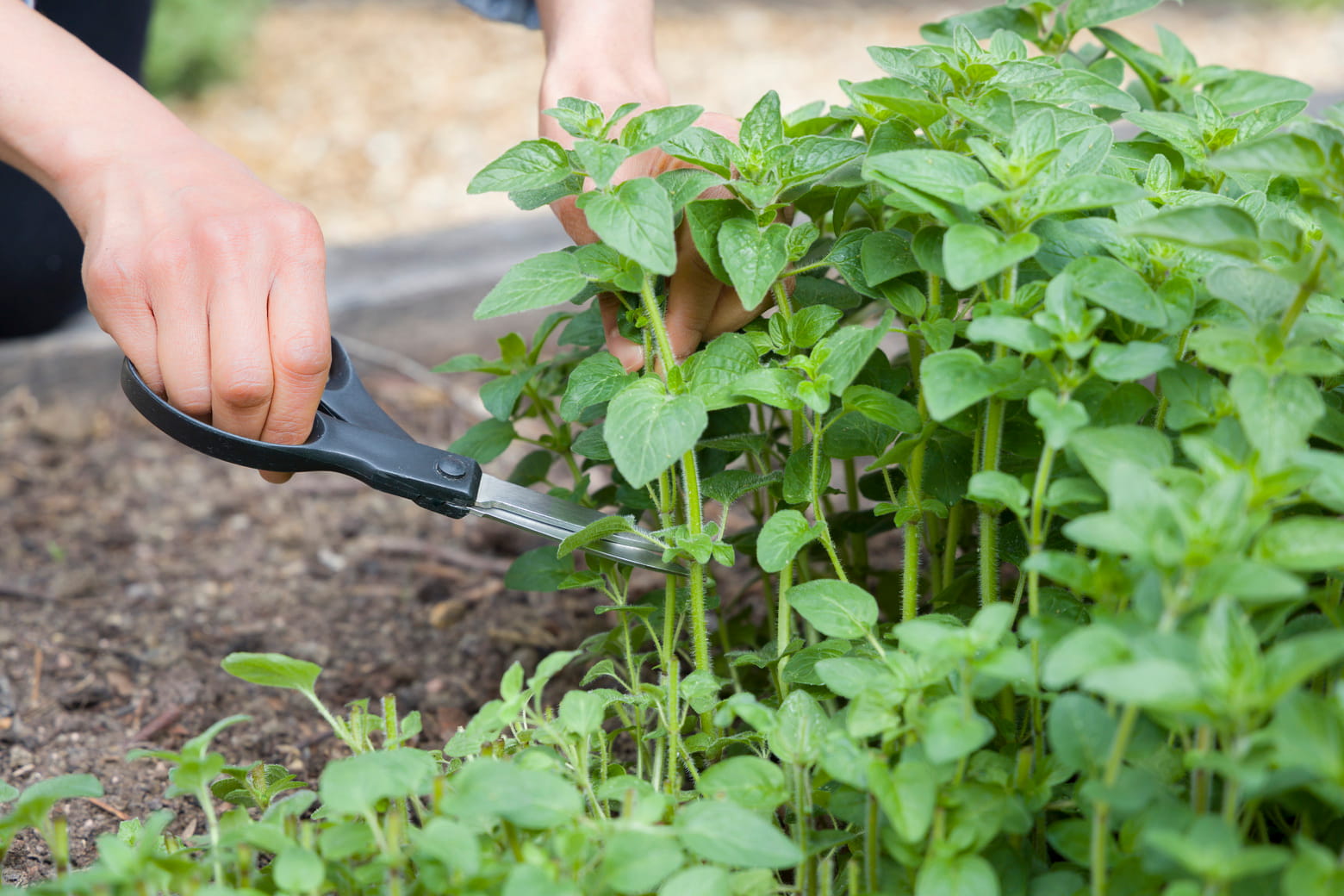
Oregano is another good summer herb because it does not ask for much. Like rosemary, it prefers sun and well-drained soil. Once established, it can handle dry stretches better than many softer garden plants. That makes it useful for gardeners who want something dependable without checking on it constantly.
A moderate watering schedule works well for oregano. Let the soil dry slightly between waterings, then water deeply enough to reach the roots. Texas A&M AgriLife’s Growing Herbs in Texas resource is a helpful reference for anyone wanting to grow common culinary herbs at home.
A Simple Summer Salad Using Fresh Herbs
The best part about growing herbs is using them without making it complicated. Take a few fresh tomatoes, slice them up, and toss them with olive oil, salt, pepper, chopped basil, a little oregano, and just a touch of rosemary. Let it sit for a few minutes so the flavors can settle together.
That is it. No big recipe, no extra work. It is the kind of quick summer side dish that works with grilled chicken, burgers, ribs, or just a piece of toasted bread. For anyone who likes the idea of growing from what they already use in the kitchen, Dock Line’s Garden Thyme guide on growing from grocery scraps fits right into that same practical mindset.
Keeping the Garden Simple When the Heat Shows Up
A Texas summer garden does not need to be full of plants that struggle by July. Sometimes the better move is to focus on what actually wants to grow here. Rosemary, basil, and oregano give you something useful, fragrant, and easy to bring into the kitchen.
That is the real advantage. A few herbs can make the garden feel alive even when other plants are slowing down. They do not need a perfect setup. They just need sun, decent soil, the right amount of water, and a little attention when you walk by.