

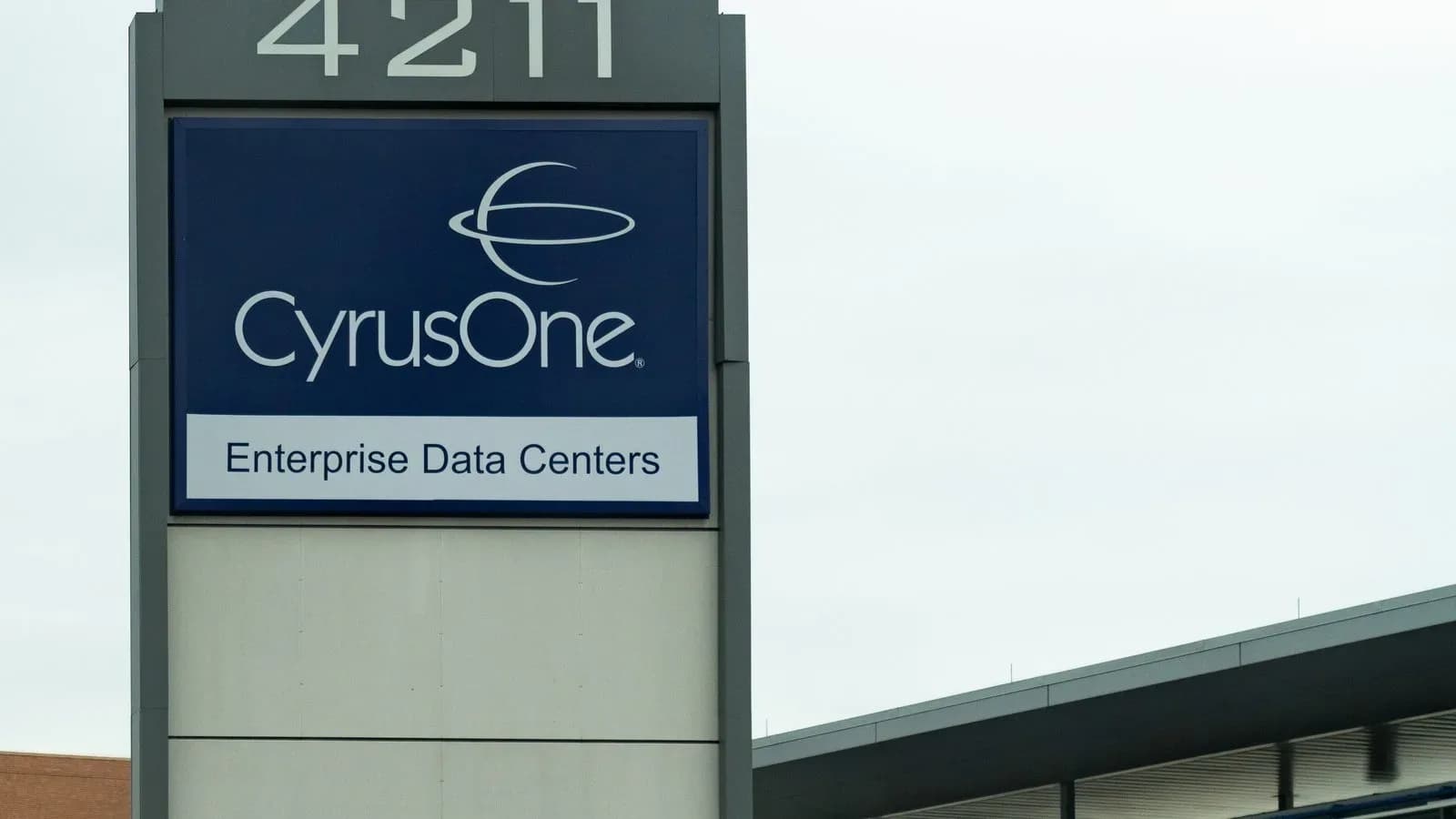
Hinojosa Promised a Ban on New Texas Data Centers Until Lawmakers Act. Here Is What Could Change in January
Governor-elect Gina Hinojosa vowed to freeze all data center approvals until the Legislature passes new protections, going further than Abbott's current pause and audit.
Gina Hinojosa won the governor's race Tuesday. One of the clearest promises she made on the way there was about data centers, and it could change how one of the fastest-growing industries in Texas does business here.
If she keeps her word, approvals for new data centers could stay frozen until the Legislature passes new state laws next year, The Texas Tribune reported Wednesday. That goes further than the pause Gov. Greg Abbott already ordered.
What Hinojosa promised
Hinojosa was blunt about it during the campaign. "When I am governor I will issue a moratorium — a ban — on all data center approvals until laws can be passed by the Legislature to protect Texans," she said in an Oct. 22 video posted to X, according to the Tribune.
She said the moratorium should last until lawmakers meet in January and pass "real protections so Texans can have a seat at the table to decide if and how data centers come into their communities."
The Tribune reported that she also laid out a list of priorities for lawmakers. They include:
Requiring data center operators to hire union workers.
Protecting communities' water supplies.
Stopping data center companies from using nondisclosure agreements that make it harder for the public to track projects.
Making sure Texans do not pay more for electricity because of data centers.
Ending tax subsidies that she said were costing the state billions in sales tax revenue.
"We can have economic development and we can have protections for Texans. These things are not mutually exclusive," she told Politico in September, the Tribune reported.
Hinojosa takes office Jan. 19. She will work with a Texas House where Democrats made major gains Tuesday, though Republicans won most of the Texas Senate seats on the ballot.
What Abbott already did
This fight did not start with Hinojosa. Abbott, who once heralded Texas as the "epicenter of AI development," changed course this year. Starting in August, the Tribune reported, he paused data center approvals at the state grid and then at the Texas Commission on Environmental Quality so information about the facilities could be audited and collected.
That audit by grid regulators and operators was expected to run until December. Abbott also asked officials to gather information on tax incentives, water use, whether data centers bring their own power or water, and what they do about light and noise for their neighbors. He demanded that data centers pay for their own electrical infrastructure and use water-efficient technology, and he promised to go after their tax breaks in the next session.
The pause has not been airtight. In October, advocates found environmental permits tied to data centers that were approved anyway, and the permitting agency shut down its online filing system, as Dock Line reported at the time. The Tribune has also reported that data center-related donors gave Abbott about $9 million since July 2025, which we covered in October.
Anger in red counties and blue ones
What makes this issue different is who is angry. The Tribune reported that grassroots opposition has grown across Texas, with critics from both parties worried about how much power these facilities could pull from the grid and how much water they would need in a state that worries about drought every summer. Some county officials have complained that state law gives them almost no authority to regulate data centers.
"We've just seen real anger in communities — big, small, in solid red counties and in deep blue counties alike," Kathryn Guerra of Public Citizen, which flagged the permit approvals, told the Tribune. "What happened yesterday just seems to have been a reflection of that anger."
The research group Data Center Watch said in a Tuesday analysis that Texas "offers one of the clearest examples of data center regulation becoming an election issue." It found that 43% of the 74 governor candidates it studied in 36 states backed a data center moratorium or ban.
What the industry says
Jess Heck, who handles Texas government affairs for the Data Center Coalition, said in a statement that data centers can keep creating jobs and strengthening the state's economy through investment and tax revenue. The coalition "looks forward to working with state leadership along with local officials, stakeholders, and Texas communities to continue building trust and supporting responsible data center growth," Heck said.
A plain word on it
Texans across the political spectrum have a fair point here. A rancher whose well is running low and a family looking at a rising power bill have every right to ask who is paying for these projects and who is answering for the water. Scripture tells us the earth is the Lord's, and we are stewards of it, not owners with no one to answer to. Keeping projects hidden behind nondisclosure agreements does not build trust with neighbors.
At the same time, a blanket ban carries real costs. Data centers bring construction jobs, tax base and investment that many small towns want. Freezing every project, including ones that bring their own power and save water, could send good employers to other states. Union hiring mandates would raise costs and limit Texas workers who are not in a union.
The better path is the one both Abbott and Hinojosa have already pointed toward in different ways: make data centers pay their own way on the grid, protect water first, end special tax breaks, and let the public see what is being built. That is common ground. The Legislature should take it up early in the session, write clear rules, and do it in the open, so communities are not left guessing and honest businesses know where they stand.
Until Jan. 19, Abbott's pause and audit remain in place. What comes after depends on whether the new governor issues the moratorium she promised and on what a divided Legislature is willing to pass.
More Business Stories
 Yesterday
Stock Futures Swung Overnight After the Democratic Sweep, and AI Data Center Shares Took the Hit. Trade on Facts, Not Futures.
 Yesterday
Marshall Gets a Sabre Industries Plant and a Two-Day Career Fair
 Yesterday