

Pasture Mealybug Has Spread to 114 Texas Counties. New Research Shows Heat Makes It Worse, and Ranchers Face a Winter Hay Decision
The invasive pest first confirmed in Texas in July 2025 now threatens grazing land in 114 counties. Texas A&M researchers say hot weather changes how it feeds, and extension experts explain when ranchers should buy extra hay.
While most of Texas watches the election returns tonight, many ranchers have another worry. It is a tiny insect that has been killing grass across the state.
Pasture mealybug was first confirmed in Texas in July 2025. According to Texas A&M AgriLife, it has since spread to 114 counties. The agency calls it a serious threat to the forage and grazing lands behind Texas' $15.5 billion cattle industry and other livestock operations.
New research from Texas A&M suggests heat changes how the pest feeds, which may help explain why some infestations are much worse than others. And as cold weather arrives, extension experts are telling ranchers how to decide whether they need extra hay this winter.
What the pest does
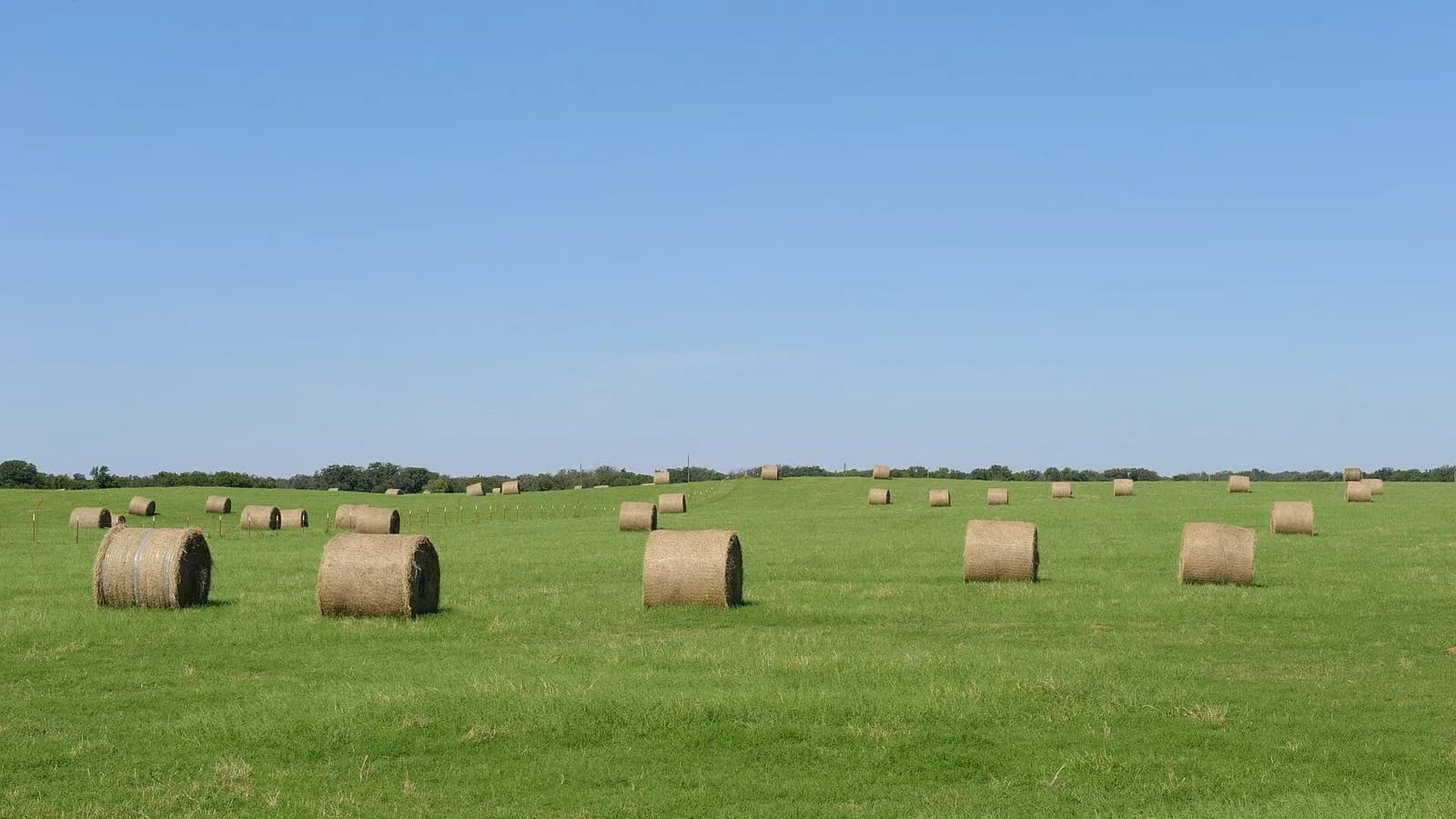
Immature mealybugs feed on plant sap and inject toxins that weaken the grass. AgriLife says that often leads to a condition called pasture dieback. In bad cases, fields turn brown, thin out badly or die completely.
The pest hits a broad mix of native and improved warm-season grasses. That includes Bermuda and Bahia grasses, bluestems and other key forage species. It has also been reported in Florida, Georgia and Louisiana, and scientists worry it could affect other crops such as sugarcane and rice.
Heat changes how it feeds
The study is led by doctoral student Ashley Zavala in the lab of Thomas Chappell, a Texas A&M plant pathology epidemiologist. So far the lab has been working with a related mealybug species feeding on pepper plants, which Chappell says has a clear connection to pasture mealybug. The team uses a method called electropenetrography, or EPG. A sensor attached to the insect and the plant records feeding activity as a waveform. Chappell compares it to reading an EKG.
Early findings show heat and environmental stress change feeding behavior. When temperatures rise, the insects may drink more water from the plant's xylem to stay hydrated. Heat also made them salivate more often in the phloem, the tissue that carries sugary sap. That matters because their saliva carries the toxins that damage grass. Hot conditions could mean more harm from the same number of bugs.
Chappell said forecasting tools that consider feeding behavior, plant stress and weather could one day help producers time pesticide applications more precisely.
"If we can better understand what changes the way these insects feed, that's a piece of the puzzle that can help guide management," Zavala said.
Researchers have already linked population growth to canopy density, heat, humidity and rainfall. Texas A&M AgriLife has formed an Emerging Pest Task Force, which has made pasture mealybug its current priority. AgriLife says the task force recently testified before lawmakers in Austin on the mealybug and New World screwworm, the parasite that recently turned up in a hunter-harvested elk.
The winter hay question
In the Oct. 27 Texas Crop and Weather Report, AgriLife experts called statewide forage production a mixed bag. Where rain fell, producers made good hay. Dry weather, especially in South Central Texas, cut yields, and many operations will not make a third cutting.
"Those with pasture mealybug will be relying on last year's hay," said Vanessa Corriher, an AgriLife Extension forage specialist in Overton.
Jason Banta, an AgriLife Extension beef cattle specialist, gave ranchers a simple way to think about it:
If hay is your main winter forage, this year is like the years before the mealybug arrived. "In most cases, there is no reason at this time to purchase extra hay," Banta said.
If you rely on stockpiled native range in a lower-rainfall area, the mealybug was not expected to affect you this winter.
If you graze stockpiled introduced grasses like Bermuda, Bahia or Old World bluestem, growth in the eight to 10 weeks before frost matters. Drought has cut those yields in many areas already. If you expect mealybug to cut them further, Banta said it would be wise to buy extra hay to make up the loss.
There is some good news on cost. In Central Texas, McLennan County extension agent Shane McLellan said hay prices remain lower than expected because of supplies and carryover bales from 2025.
A hard stretch for ranch country
Texas ranchers have dealt with drought, fire and pests. Some are still rebuilding, like the Jack County ranchers hit by the Ross Fire. Pasture mealybug adds one more thing to watch.
AgriLife urges producers to scout their pastures and work with their county extension office. Good stewardship of the land starts with knowing what is happening on it, and the researchers in College Station are trying to give ranchers the tools to do that.
More Business Stories
 Yesterday
Texas Buys Back 46 More Commercial Oyster Licenses. Nearly 30% of Licenses Are Now Retired
 Yesterday
Schertz Now Requires a Council Vote and Public Hearing for Any New Data Center
 Yesterday