Texas Buys Back 46 More Commercial Oyster Licenses. Nearly 30% of Licenses Are Now Retired
Texas Parks and Wildlife paid 0,000 each to retire 46 commercial oyster licenses this fall. With private donors behind the program, nearly 30% of the licenses are gone after two years.
Texas has paid 46 more commercial oystermen to leave the business, as the state keeps working to ease pressure on its struggling oyster reefs.
In the 10th round of the Commercial Oyster Boat License Buyback Program, the Texas Parks and Wildlife Department bought and retired 46 commercial oyster licenses, the department announced Monday. With the 112 licenses retired last year, nearly 30% of the state's commercial oyster licenses are now out of circulation.
The announcement came as oyster season opened Nov. 2. We covered which bays opened and the rules for recreational harvest ahead of the opener.
$30,000 per license
The buyback is voluntary. License holders who want to leave the fishery can sell their licenses back to the state, and the state retires them for good.
This year, TPWD and the Texas Parks and Wildlife Foundation worked with private donors to offer a fixed price of $30,000 per license through the S. Reed Morian Oyster Buyback Program. The program honors the late S. Reed Morian, a former chairman of the Texas Parks and Wildlife Commission. Laurie Morian and Coastal Conservation Association Texas have been key supporters.
Private money has sped things up. TPWD said the public-private partnership with the foundation brought in significant private funding and accelerated progress.
"The progress we've made in just two years is remarkable, and it shows what we can accomplish when we work together," said Anne Brown, the foundation's executive director.
She thanked Laurie Morian, CCA Texas and the many donors who stepped up. "Reed would be so proud to see the momentum behind this program and the difference it is making for the Texas coast he loved so much," Brown said.
Why fewer licenses
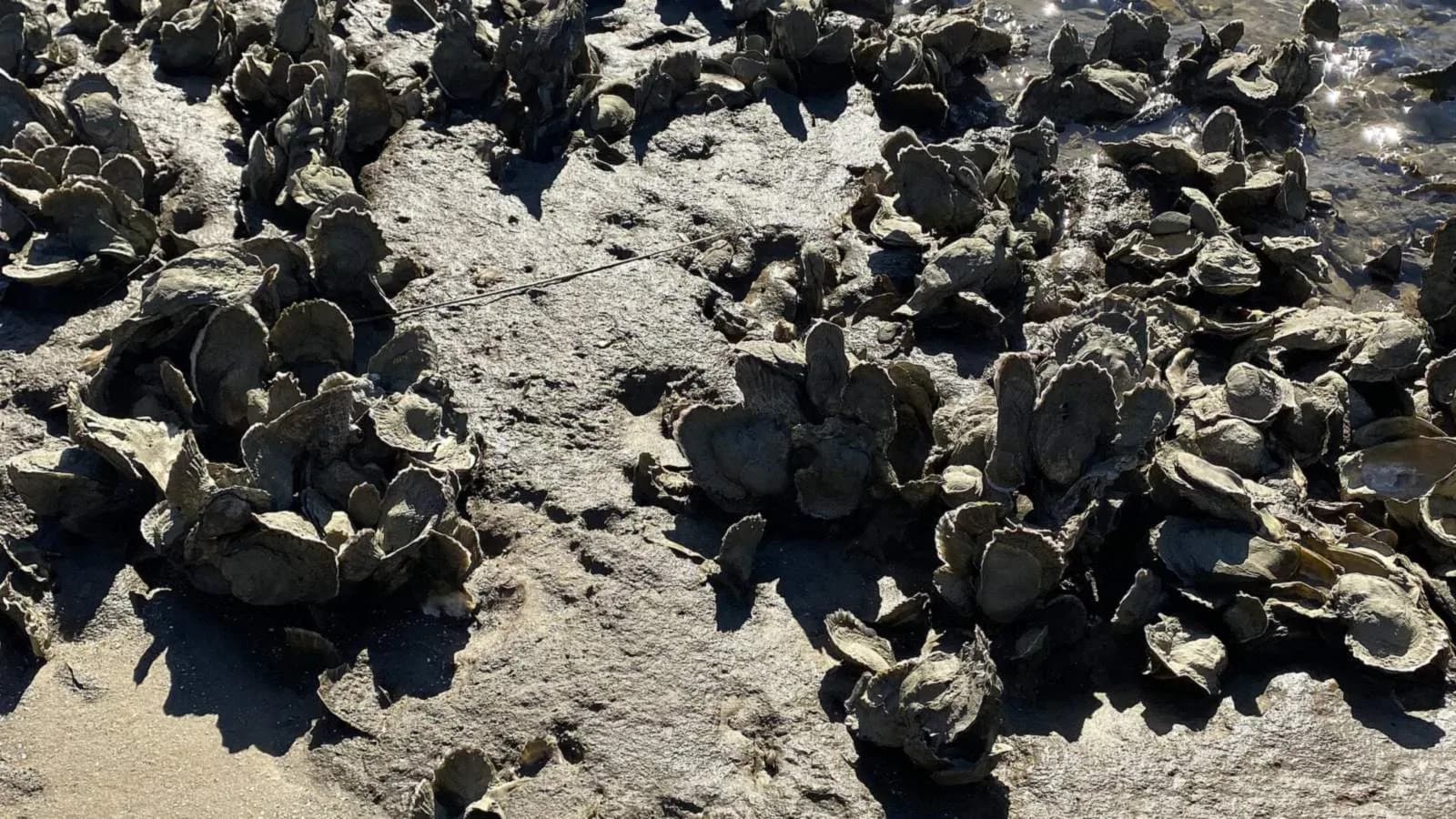
Wild oyster numbers in Texas have declined for several reasons, and TPWD calls the health of wild reefs a top priority. According to the department, both the oyster industry and conservation groups see buybacks as an effective way to reduce harvest pressure over time and build a more sustainable fishery.
Texas has done this before. TPWD's buyback program page says the state runs buybacks for the inshore shrimp, crab, finfish and oyster fisheries. A surcharge on those commercial licenses helps pay for them.
The state capped new entries into the inshore shrimp fishery and began buying back licenses in 1995. Crab followed in 1998 and finfish in 2000. A moratorium on new oyster boat and Gulf shrimp licenses began in 2005, and the oyster buyback started in 2017.
Through the 2025 license year, the state spent $14 million to buy and retire 2,207 commercial bay and bait shrimp boat licenses. That is 68% of the 3,231 licenses grandfathered in back in 1995. It has spent another $1.9 million to retire 65 crab licenses and 251 finfish licenses, 23% and 46% of those fleets.
What it means for the coast
For a family that has worked the bays for years, $30,000 can be a fair way out of a hard business. For those who stay, fewer boats means less competition on the reefs that remain. The stated goal is a healthier, more sustainable fishery, which means oysters on Texas tables for the next generation and work for the boats that remain.
The buybacks usually run one round each fall. TPWD mails notices to license holders when a round opens, and the application period stays open at least 45 days. Commercial fishermen with questions can contact the department's Coastal Fisheries Division.
It is a long-term bet on the Texas coast, paid for in part by Texans who gave their own money to protect it.