Texas Oyster Season Opens Nov. 2. Here Are the Bays That Will Be Open and the Rules for Recreational Harvest
Parks and Wildlife will open areas in Galveston, Matagorda, Aransas and Corpus Christi bays and the Lower Laguna Madre. Recreational harvesters may keep only oysters 3 inches or longer, with a limit of two sacks per person.
Oyster season on the Texas coast opens at 12:01 a.m. Monday, Nov. 2, in parts of five bay systems, the Texas Parks and Wildlife Department announced.
State rules set the season from Nov. 1 through April 30, with harvest allowed Monday through Saturday. Because Nov. 1 falls on a Sunday this year, Monday is the first harvest day.
Which areas will be open
TPWD samples reefs before each season and opens harvest areas based on thresholds, including how many legal-sized oysters (3 inches or longer) are on the reefs. These areas open Nov. 2:
Galveston Bay: TX-1 and TX-5
Matagorda Bay: TX-13, TX-19 and TX-20
Aransas Bay: TX-29, TX-30 and TX-32
Corpus Christi Bay: TX-33
Lower Laguna Madre: TX-34
Not every open area met the bar. Four of the areas met the opening threshold. Four others, TX-1, TX-13, TX-19 and TX-20, had relatively high numbers of market oysters on select reefs but fell short overall because other reefs had fewer, and TPWD is opening them anyway to give the fleet more room and keep it from crowding into one or two areas. TX-33 and TX-34 were not sampled; they typically see no commercial harvest.
Every area not on that list will be closed to public harvest when the season opens. TPWD said its Coastal Fisheries staff will keep monitoring all areas and open or close them as thresholds are met.
"Maintaining the balance of conserving oyster resources with fishing opportunities for the commercial industry is important for the industry and for Texas' reefs both now and for the future," said Robin Riechers, director of TPWD's Coastal Fisheries Division.
Rules for recreational harvesters
TPWD's recreational oyster regulations cover anyone gathering oysters to eat rather than sell. The key points:
Hours: Sunrise to 3:30 p.m., Monday through Saturday.
Boat license: A boat used with tongs or a dredge needs an additional sport oyster boat license ($13 resident, $51 nonresident).
Gear: Oysters may be taken by hand, with tongs or with a dredge no more than 14 inches wide.
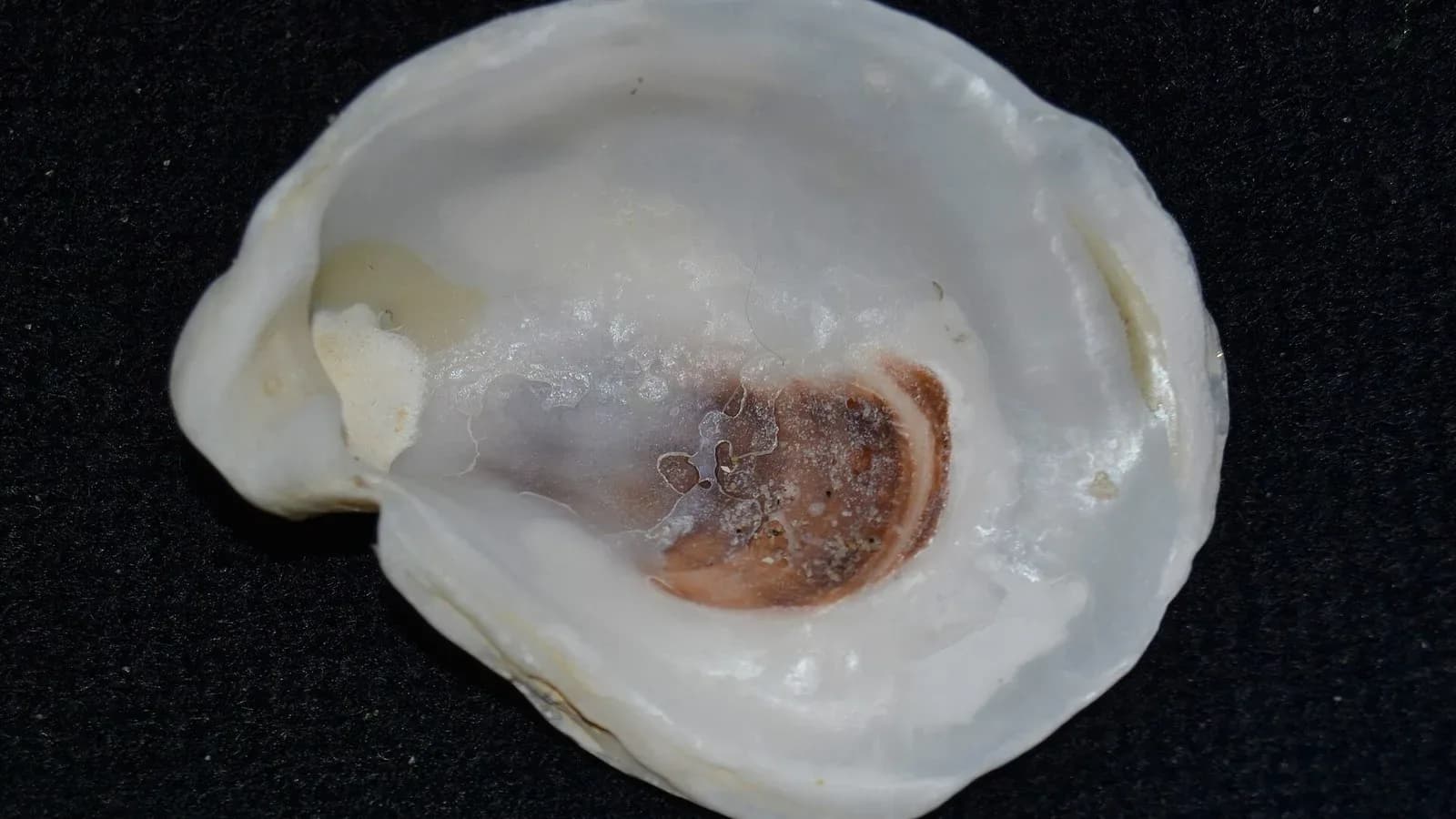
Size: Keep only oysters 3 inches or larger along the longest part of the shell. Smaller live oysters and dead shell larger than 3/4 inch must be culled and returned to the reef they came from.
Limit: No more than two sacks per person. A sack is 110 pounds, counting oysters, dead shell and the sack itself.
No sales: Oysters taken for personal use under recreational licenses may not be sold.
Oysters may be taken only from waters approved by the Texas Department of State Health Services, and only from marked private leases with the lessee's permission. Several minor bays are closed outright, including Christmas Bay in Brazoria County, Carancahua Bay, Powderhorn Lake, Hynes Bay, St. Charles Bay and South Bay in Cameron County. The health department keeps the current map and status of each harvest area, and TPWD points harvesters there before they go.
Why the rules matter
Oyster reefs are more than a seafood source. They are living structure in the bays, built over years, and the culling rule exists so small oysters and old shell go back where new reefs can grow. Taking only what the law allows, and putting back the rest, is how a reef stays productive for the next family.
That is old wisdom. God gave mankind dominion over "the fish of the sea" (Genesis 1:28), and dominion has always meant care, not plunder. Check the open areas before you launch, measure honestly and leave the reef better than you found it.
If you are heading to the coast this fall for more than oysters, the marsh and beach at Sea Rim State Park near Port Arthur are a good place to see migrating birds.