Port Houston Will Study Deepening the Ship Channel Itself as Its Container Docks Near Capacity
With Project 11 widening done, Port Houston is launching its own study of a deeper channel and weighing a 318-acre container terminal on Spilman Island. Its current terminals could hit their limit by 2033.
Port Houston has barely finished widening the Houston Ship Channel, and it is already planning the next job: making it deeper.
Port Houston CEO Charlie Jenkins told the Port Commission that the port will conduct its own study of portions of a potential Project 12, the next major improvement to deepen the channel, WorkBoat reported. The port will do that under Section 203 of the Water Resources Development Act of 1986.
At the same time, the port is working with the U.S. Army Corps of Engineers on a traditional feasibility study of improvements to the broader Houston Ship Channel and Galveston Bay system.
Why run its own study
Section 203 lets a non-federal sponsor such as a port lead its own feasibility study and submit it to the Secretary of the Army for review, Baird Maritime explained. WorkBoat described it as an alternative path when federal schedules or funding do not line up with a sponsor's plans.
Port Houston and the Corps recently held a Federal Interest Determination meeting. That started a 45-day process that is expected to produce a recommendation on what the Project 12 study should cover.
Port Houston is a political subdivision of the State of Texas, formally the Port of Houston Authority of Harris County, World Ports Organization noted. The wider ship channel complex includes more than 200 private terminals and eight public ones.
Project 11 just wrapped
The planning follows the completion of the port-led portions of Project 11. That work widened the Galveston Bay reach of the channel from 530 feet to 700 feet. According to WorkBoat, the wider channel has effectively removed daylight restrictions for larger vessels between Bolivar Roads and Morgans Point, giving pilots more flexibility. Corps-led work on other parts of Project 11 continues.
"We have an extraordinary economic engine here in Houston, and we have a responsibility to help ensure it can continue supporting jobs and economic prosperity for generations to come," Port Commission Chairman Ric Campo said.
Running out of room for containers
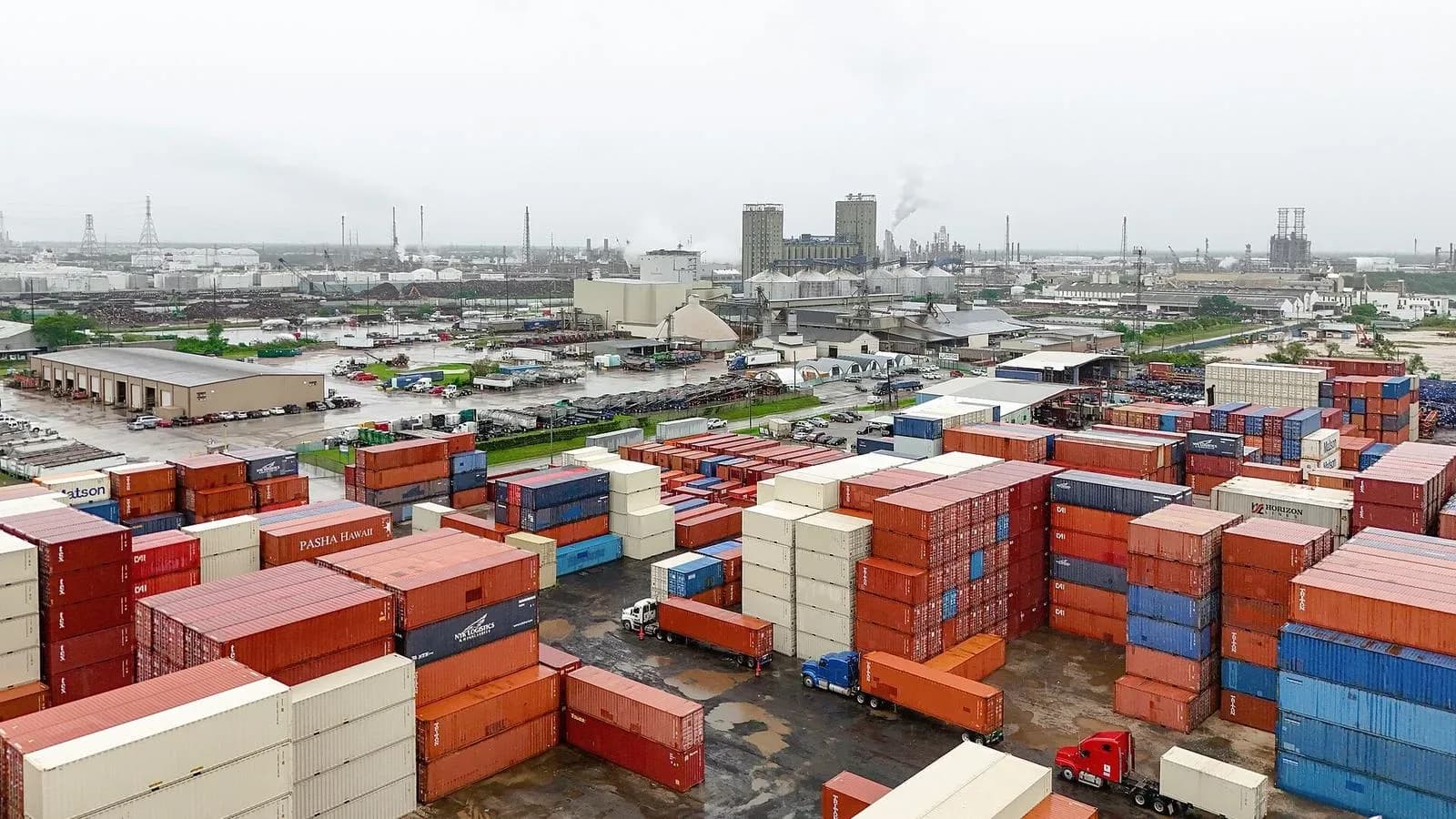
The other half of the story is space. The port forecasts that its existing container terminals will reach their throughput limit by 2033.
One option is an expansion north of Barbours Cut Container Terminal onto Spilman Island in La Porte. A Corps permit notice describes a terminal of about 318 acres with two berths able to handle ultra large container vessels and about 3,200 feet of pile-supported wharf, Baird Maritime reported. The plans also cover dredging, an expanded turning basin, and road and dredged-material work, according to World Ports Organization.
Phased construction would begin no later than 2032, with new capacity around 2036. The Corps expects to publish the environmental impact statement in spring 2028, and it has already held a public scoping meeting.
Port Houston stresses that the Spilman Island plan is one of several options. It would need a formal final investment decision by the Port Commission before going forward.
Cargo keeps climbing
Port Houston handled 4,303,345 TEU, or twenty-foot equivalent units, in 2025, according to Baird Maritime, and its loaded imports were up 5% for the year through September. The Houston Ship Channel region handled 22.3 million tons of foreign cargo in August, up 18% from a year earlier, with exports up 24%.
Port activity supports nearly 1.5 million jobs in Texas, World Ports Organization reported.
What it means for Texas
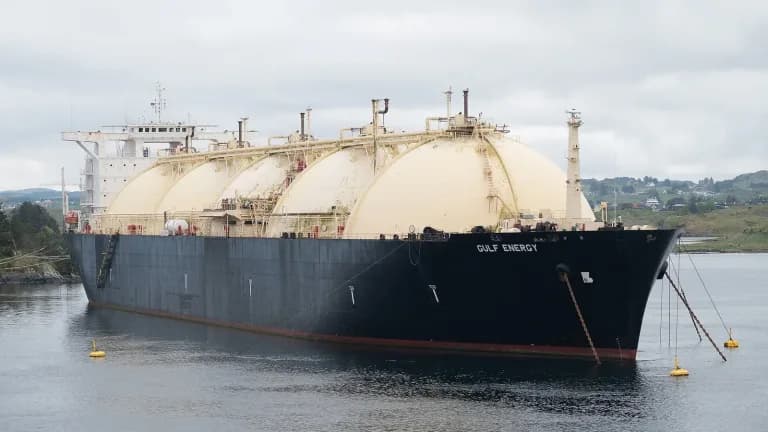
A deeper channel and more dock space would help Houston handle bigger ships and more trade, including energy exports that are drawing billions in new investment along the coast, such as the proposed LNG port off Matagorda and Valero's planned Houston refinery restart.
These are long projects measured in years, and the big decisions, from the Project 12 study scope to a final investment vote on Spilman Island, are still ahead. Texans along the channel, from La Porte to Galena Park, have a stake in watching how the plans take shape.