Valero Buys the Shuttered LyondellBasell Refinery in Houston and Plans to Restart It by the End of 2027
Valero agreed to pay $320.5 million for the former LyondellBasell refinery on the Houston Ship Channel, which closed in 2025. It plans to bring 165,000 barrels a day of capacity back online by the end of 2027.
A Houston refinery that went quiet last year is set to make fuel again.
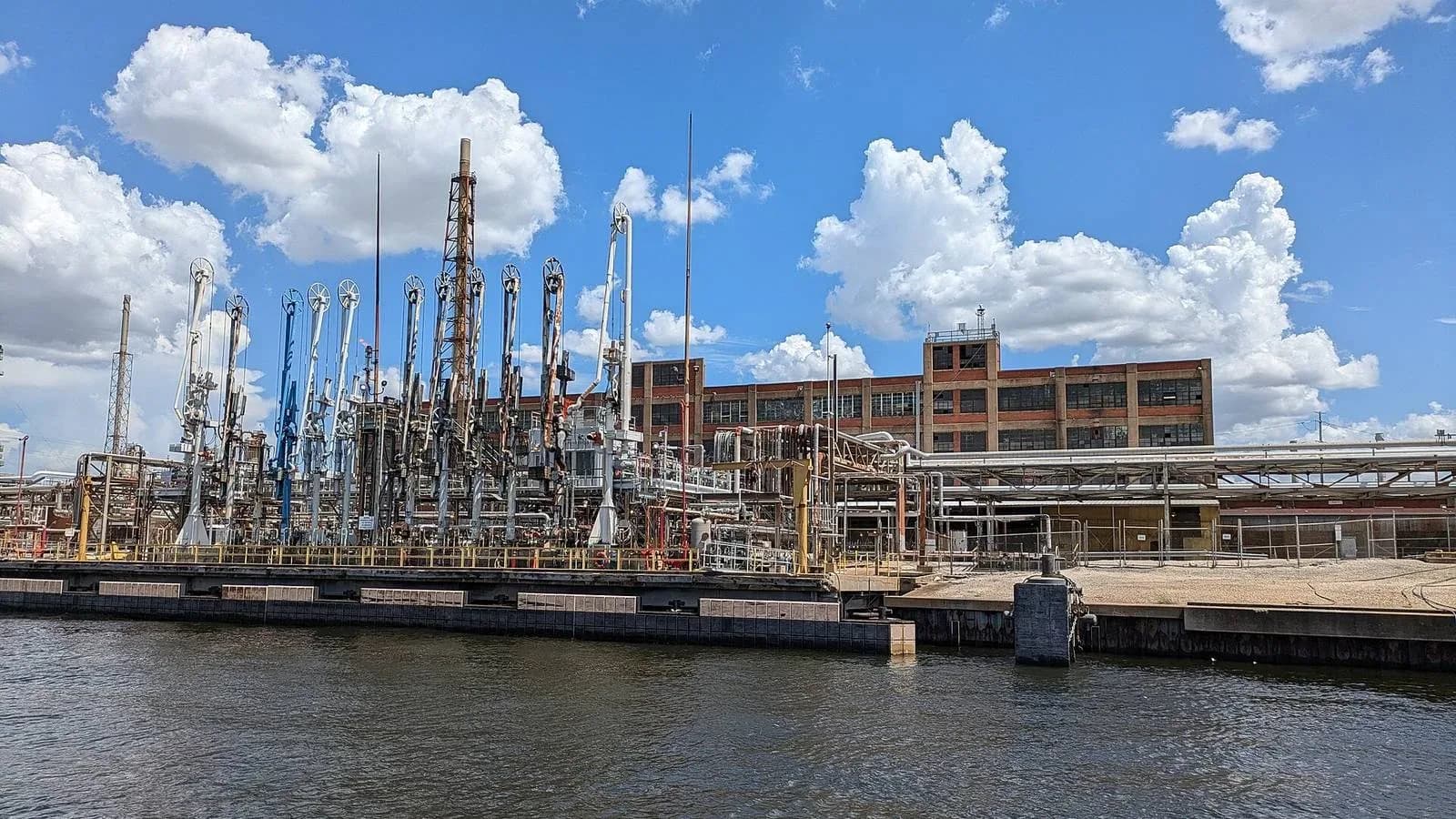
Valero Energy said Friday it agreed to buy the former LyondellBasell refinery on the Houston Ship Channel for $320.5 million, subject to closing adjustments. The San Antonio-based company expects to restart 165,000 barrels per day of light sweet crude processing capacity by the end of 2027, according to its announcement.
The roughly 700-acre site sits on the Houston Ship Channel right next to Valero's existing Houston refinery. Valero said the deal is expected to close by the end of 2026, pending a federal antitrust waiting period and other customary conditions.
A refinery that was heading the other way
LyondellBasell shut the refinery down in February 2025 as it left the refining business, the Houston Chronicle reported. The plant began operating in 1918, made gasoline, diesel and jet fuel, and employed about 400 workers before the shutdown. The Chronicle had reported that the company planned to lay off 345 workers as it closed.
LyondellBasell later considered turning the property into an advanced recycling facility but put off a final decision, the Chronicle reported.
What each company says
"This acquisition is a unique opportunity to strategically expand Valero's U.S. Gulf Coast footprint at a fraction of replacement value and enhance the long-term strength of our refining system," said Lane Riggs, Valero's chairman, CEO and president.
Riggs said the deal "is expected to provide a compelling financial return, consistent with Valero's disciplined capital allocation framework, while generating attractive commercial optimization opportunities and supporting future investment in high-complexity, heavy sour crude oil processing."
Valero said the site also gives it the option to invest later in equipment to process heavy sour crude, a more complex type of refining.
LyondellBasell CEO Peter Vanacker called the refinery a "non-core asset" and said the sale positions the site, its infrastructure and its employees "with an owner whose core business is refining." "We are pleased that the agreement provides continued employment for the site's workforce," he said in LyondellBasell's announcement.
Technically, a Valero subsidiary, Valero Refining-Texas, is buying all the equity in LYB Houston Hub Holdings, the LyondellBasell unit that owns the site. LyondellBasell expects the sale to close in the fourth quarter.
Under the deal, Valero takes on responsibility for ongoing site operations, environmental liabilities, pension costs and related employee obligations, LyondellBasell said. Neither company said how many workers the restarted refinery would employ.
The sale came the same day LyondellBasell reported $758 million in third-quarter profit on $8.5 billion in revenue, the Chronicle reported.
Why it matters
Valero runs 14 refineries in the U.S., Canada and the United Kingdom with combined capacity of about 3 million barrels a day, according to the company. It also owns 12 ethanol plants and is a partner in Diamond Green Diesel, a renewable diesel and sustainable aviation fuel venture on the Gulf Coast. Bringing back 165,000 barrels a day in Houston would add fuel-making capacity on the Texas Gulf Coast rather than let a century-old plant sit idle.
The restart is still two years out and depends on the sale closing. Valero's own release warns that its expectations are forward-looking and could change with market conditions, regulation and other factors.
A fair word
Valero did not put a price tag on the restart work itself. Refinery work is hard, skilled and steady, and the people who did it in Houston for more than a century built a lot of families on it. A plant coming back to life is better news than one torn down. Texans should hold both companies to their word on the workforce and on the environmental cleanup Valero says it is taking on.