The NRC Has Issued a Construction Permit for Four Reactors at a Calhoun County Industrial Site
A Nov. 12 Federal Register notice records Construction Permit CPAR-3, issued Nov. 9 to Long Mott Energy for four X-energy Xe-100 reactors at Dow's Seadrift site. The permit authorizes construction, not operation.
The Federal Register on Thursday published official notice that the Nuclear Regulatory Commission has issued Construction Permit No. CPAR-3 to Long Mott Energy, LLC, for the Long Mott Generating Station in Calhoun County. The notice, document 2026-23029, says the permit was issued on Nov. 9 and is immediately effective. It authorizes the company to construct a power reactor facility at the proposed location, as described in the construction-permit application. It does not, by itself, authorize anyone to load fuel or run the plant.
The same day the permit was issued, the NRC's Office of Public Affairs released bulletin No. 26-083 from Rockville, Maryland. The agency said this is the first construction permit for a high-temperature gas-cooled reactor in nearly 60 years, and the third advanced-reactor construction permit the NRC has issued this year. The bulletin says the facility is designed to include four X-energy Xe-100 reactors, that it will primarily generate high-temperature steam for industrial use at the Dow Seadrift Operations site, and that excess electricity will be exported to the grid.
Those are two different official documents, and they should be kept straight. The Federal Register notice names the permit, the docket (No. 50-614; NRC-2025-0079), the licensee, and the county. The NRC news bulletin supplies the reactor design, the four-unit layout, and the intended use at Dow's Seadrift site. Neither document is a license to operate.
"Today, the new NRC is issuing America's first construction permit for a high-temperature gas-cooled reactor in more than half a century," NRC Chairman Ho K. Nieh said in the bulletin. "We delivered on the 18-month schedule, proving we can do rigorous safety reviews on predictable timelines that move advanced nuclear technology from design to construction." The bulletin also said NRC staff completed a comprehensive safety evaluation in October, one month ahead of schedule, and that the agency issued its Environmental Assessment and Finding of No Significant Impact in May. The Federal Register notice identifies those staff documents more precisely: a safety evaluation dated Oct. 30, 2026, and an environmental assessment and finding of no significant impact dated May 31, 2026. The application itself is listed in two versions, dated March 31, 2025, and Sept. 18, 2026.
The NRC described the permit as several firsts for the agency: its first approval of a multimodule advanced reactor facility; its first approval of a reactor with a pebble-bed core; its first approval of a design with online nuclear refueling; and its first review of a high-temperature gas-cooled reactor under the agency's risk-informed, technology-inclusive Licensing Modernization Project framework. Those are the NRC's characterizations of its own review. The bulletin is explicit about the next legal step: "The construction permit authorizes the company to build the facility but does not authorize operation. Before loading fuel or operating the reactors, the company must obtain a separate operating license from the NRC."
In the Federal Register notice, the commission stated that it found the applicable standards and requirements of the Atomic Energy Act of 1954, as amended, and the commission's regulations have been met; that there is reasonable assurance the activities authorized by the permit will be conducted in compliance with those rules; that safety questions will be satisfactorily resolved by the completion of construction; and that, taking into consideration siting criteria, the proposed facility can be constructed and operated at the proposed location without undue risk to public health and safety, subject to the conditions listed in the permit. The notice also says the licensee is technically and financially qualified to construct the facility, and that issuance of the permit will not be inimical to the common defense and security or to the health and safety of the public. Those are the agency's formal findings, not an independent inspection by Dock Line. The conditions themselves are in the permit package; this account is based on the public notice and the NRC bulletin.
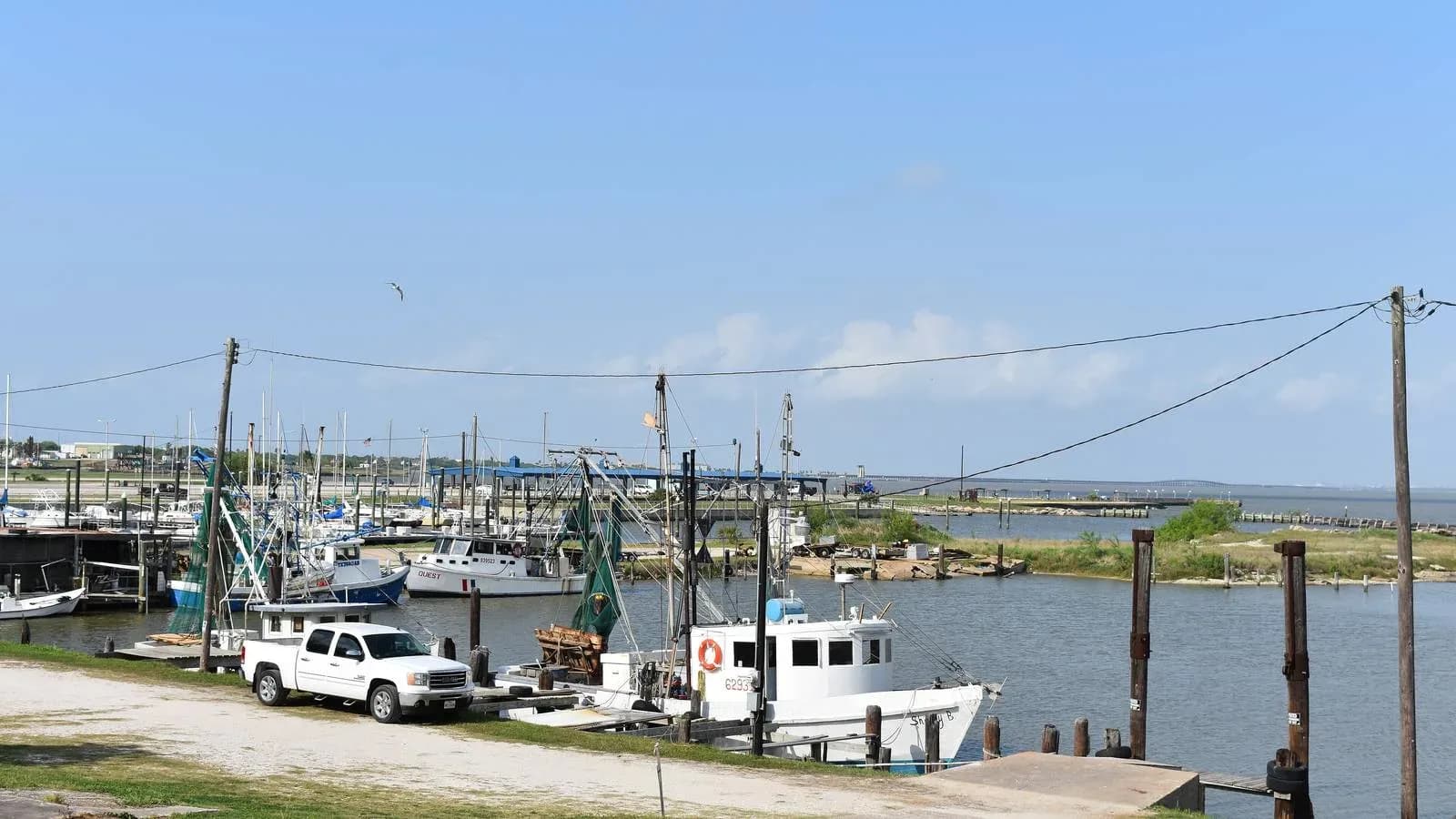
Calhoun County is a Gulf Coast county, and the Seadrift site sits along the same bay country as Port Lavaca: The Bay Town That Outlasted Indianola. Neighbors are entitled to the plain legal distinction between permission to build and permission to operate. Texas is already seeing large new electricity users plan around existing nuclear plants, as we reported when Amazon Lays Out Its Power and Water Plan for a Data Center Beside Comanche Peak Nuclear Plant. A construction permit on the mid-coast is a different project, with a different design and a different statutory step still ahead. "Let all things be done decently and in order" (1 Corinthians 14:40). Order, in this case, means reading the permit for what it is, and waiting for the operating-license record before anyone talks as if the reactors are already running.