Paxton and Talarico Both Promise Lower Energy Bills. Here Is How Their Plans Differ
Both Senate candidates want data centers to pay their own way and the federal gas tax suspended. Their records on energy, and the details of their plans, are not the same.
Texans who start voting today in the U.S. Senate race agree on at least one thing: energy costs too much. Republican Ken Paxton and Democrat James Talarico both say they will do something about it.
Texas produced 43 percent of the nation’s crude oil in 2025, about 5.8 million barrels a day, according to Capital & Main, in reporting co-published by the Texas Tribune. Yet Texans feel the squeeze at the pump and on the power bill like everyone else. The same report said energy prices in Texas and across the U.S. have risen more than 30 percent in five years, citing data collected by Electric Choice.
"The ways they are campaigning about energy are remarkably similar, which is surprising given how different their records have been," said Daniel Cohan, a Rice University professor of civil and environmental engineering. "They are both trying to claim the mantle of the one who’s going to lower energy costs."
Where they agree
On data centers, the two men sound closer than their ads suggest. Both now support repealing sales tax incentives for data centers, and both say the industry should pay for the power infrastructure it needs so the cost is not passed on to households, according to FOX 7 Austin.
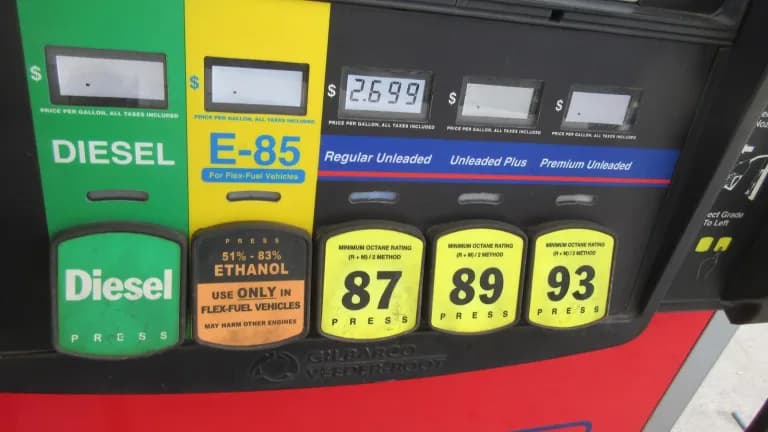
Both have also called for ending the federal gas tax, which is 18.4 cents a gallon. Talarico would suspend it temporarily. Paxton would end it permanently, Capital & Main reported.
Data centers have become a statewide issue. Capital & Main, citing Electric Choice, put the number of data centers operating, planned or under construction in Texas at nearly 400. Gov. Greg Abbott has already frozen new state environmental permits for data centers while the grid operator audits proposed projects.
Where they differ
Paxton’s four-point "Texas First Data Center Plan" pairs proposed federal legislation with support for Abbott’s state plan. It calls for data centers to add to Texas’ power capacity rather than strain the existing grid, closed-loop water systems that reuse cooling water, a ban on Chinese technology in American data centers and criminal liability when data centers power AI chatbots that threaten children’s safety, according to FOX 7. He has also pledged to co-sponsor the DATA Act, a bill from Sen. Tom Cotton, R-Arkansas, that would exempt off-grid power systems serving large loads such as data centers from most federal electricity rules.
"There’s plenty of open space in Texas and other parts of the country that we can put data centers that do not create a different atmosphere for a neighborhood," Paxton said at a Sept. 28 event.
Talarico’s "Hold Data Centers Accountable Plan" would end tax incentives, give local residents more say over whether data centers are built in their communities and create a public dividend from the AI industry, FOX 7 reported. He has also called for expanding the Low-Income Home Energy Assistance Program, which helps families with utility bills, so hot-climate states like Texas get a fairer share. Paxton has no direct proposal on that program, according to Capital & Main.
The records
Talarico’s campaign has hammered Paxton over a 2013 vote. As a state senator, Paxton voted to give data centers the sales tax exemption he now wants to repeal. Paxton’s campaign says his plan would repeal sales tax exemptions and other outdated incentives. Capital & Main said the Paxton campaign did not immediately respond to its questions on energy.
Paxton has repeatedly sued the Environmental Protection Agency to block federal air, water and emissions rules. "I will always use every available avenue to block Biden’s extremist climate agenda, especially when federal policy undermines Texas industry and destroys Texas jobs," he said in 2024.
Talarico in 2021 authored a House bill aimed at cutting emissions to 90 percent below 1990 levels by 2050. He now describes an "all-of-the-above" approach, saying "we have to protect good-paying oil and gas jobs" while "creating new jobs in cutting-edge technologies like geothermal and hydrogen-fueled energy."
Why it matters
Cohan said the winner will likely be "the 51st to vote for the majority in the Senate in the next session of Congress," which means this race could shape national energy law for years.
For a Texas family, the question is simpler: who will keep the lights on and the bills down without selling out the oil field worker or the rancher next to a new data center? Compare the plans, not the ads. Dock Line has covered the money pouring into this race and what Texans are paying at the pump.