A San Antonio Subdivision Was Built Around a Leaking Oil Well. Texas Does Not Require Builders to Tell Buyers
The state has plugged the Thompson Callaway Spears No. 1 well six times and spent more than $1 million, yet gas still leaks near homes. Texas has no statewide law on building near old wells. Here is what buyers should know.
When the Pacheco family qualified for their first home in southwest San Antonio, they were thrilled. Nobody told them about the oil well down the street.
"When we qualified, we were so excited," Amanda Pacheco said. "Little did we know what was happening."
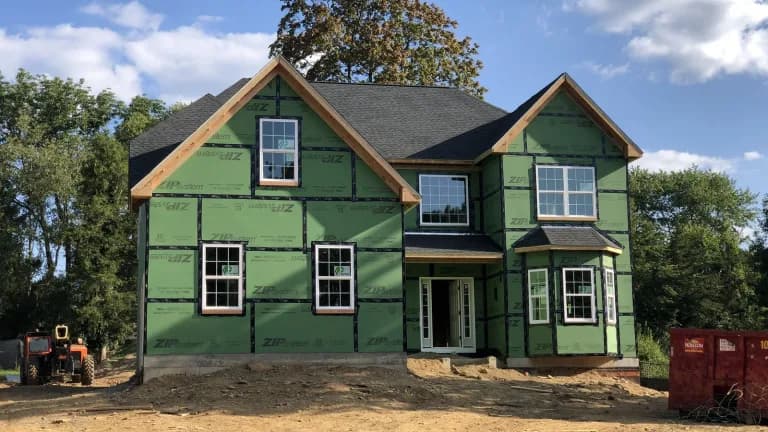
Her neighborhood, the Preserve at Medina, was built around the Thompson Callaway Spears No. 1 well, which has leaked methane and hydrogen sulfide for years despite repeated repairs, according to a report published Wednesday by Inside Climate News with The Texas Tribune and the San Antonio Express-News.
A well that will not stay plugged
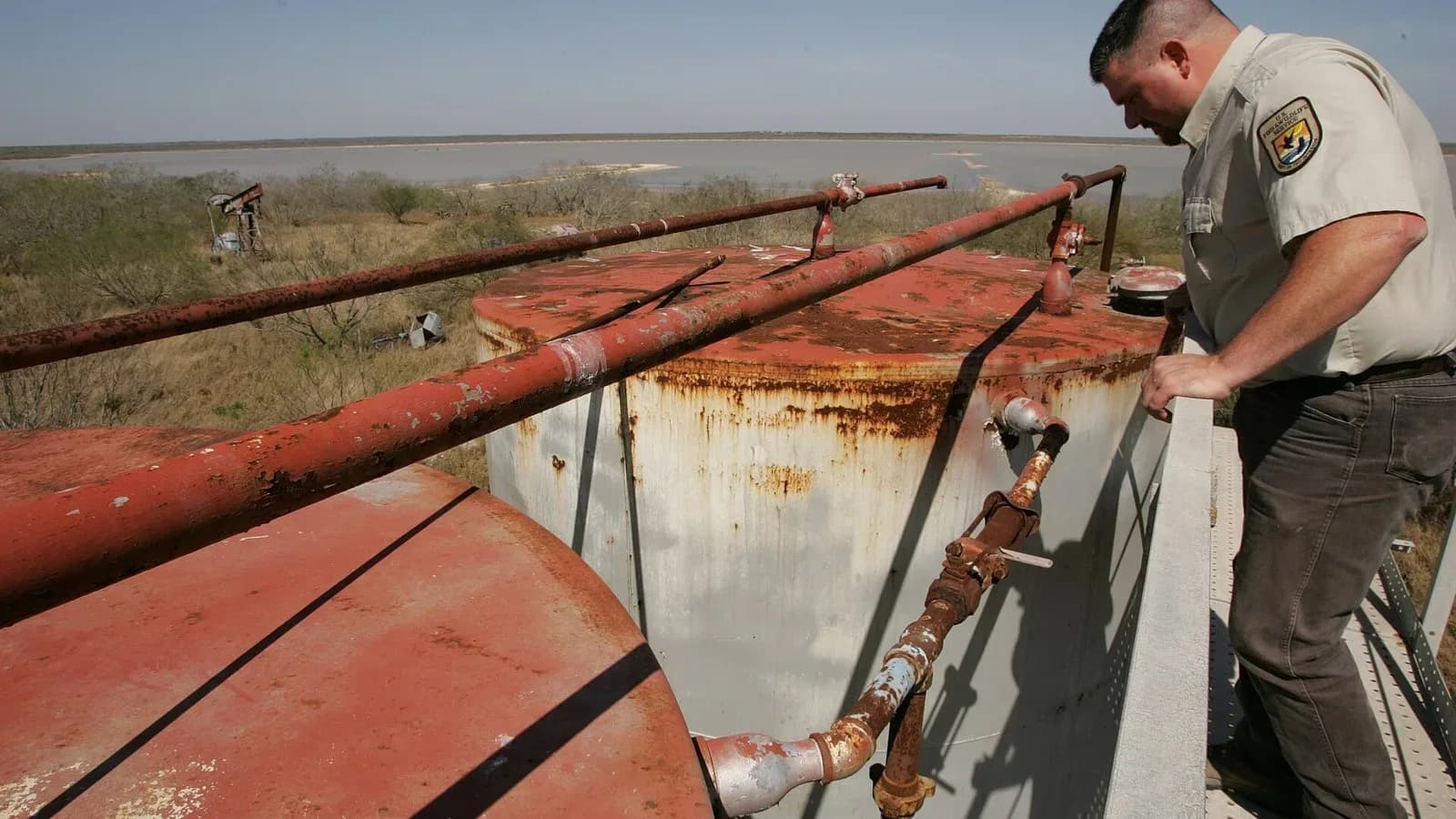
The well was drilled in 1955 on what was then the rural edge of San Antonio. Oil has not flowed since it was plugged in 2006. When construction on the subdivision began in 2019, developers discovered gas leaking at the site, and Railroad Commission inspectors confirmed hydrogen sulfide and methane were coming out of the ground.
The former operator was delinquent with the commission by then, so the state took on the cost. The well was replugged in 2019, January 2022, August 2022, May 2023 and again in November 2024. The commission had spent more than $1 million on the repeated work by that point, the report said.
It is still leaking. In June, an engineering firm working for the Railroad Commission told agency staff that two plumes of methane in the soil were moving toward houses. "If enough methane is pulled into a home, there is a risk of fire or explosion to the home," the project manager wrote.
Railroad Commission spokesman Bryce Dubee called that a preliminary report still under evaluation. "No matter how small the risk, the RRC is committed to protecting public safety and Texas communities," he said. He said the well will be replugged with a different strategy and materials, and that the RRC and the Texas Commission on Environmental Quality are monitoring the area. Inspectors returned to the well Oct. 7 to prepare.
Families living with it
Krystal Solis lives less than 60 feet from the well with her husband and three teenage children. She said she began getting headaches from the fumes in 2024 and that a New Year’s Eve firework briefly set the well on fire.
"I just want to know if it’s dangerous," she said. "If it’s dangerous, we’re going to pack up and move."
Amanda Pacheco said some days her home "reeks," and that cracks formed in her foundation after drilling equipment shook the house during a replugging. She said the family would never have bought the home had they known.
A TCEQ spokesperson, Laura Lopez, said the hydrogen sulfide levels detected could cause odors and health effects including headaches and nausea. She said volatile organic compounds measured in 2023 and 2025 were below levels of concern for short-term health. The developers and home builders D.R. Horton and LGI Homes did not respond to requests for comment, the report said.
What Texas law does and does not require
This is a Texas problem, not just a San Antonio one. According to the report, Texas has no statewide law regulating construction around plugged oil and gas wells, and developers are not required to disclose old wells to buyers. Nothing required disclosure at the Preserve at Medina under state or local law.
Counties lack authority to adopt building codes on the issue, and a 2015 law, HB 40, limits how cities may regulate oil and gas activity. Some cities act anyway. Fort Worth bars construction on top of or within five feet of an abandoned gas well, and Midland’s code says structures shall not be built on top of abandoned wells. San Antonio has no such ordinance.
Hundreds of thousands of wells have been drilled across Texas since the 1800s, and many were abandoned without being plugged, the report said. The Railroad Commission’s online well map is often inaccurate; a surveyor found it placed this well 110 feet from its real location. Many plugged wells leave no marker at the surface.
Julie Range of the watchdog group Commission Shift said disclosure should be required. "Requiring disclosure of past oil and gas activity and building setback standards from old wells may just save a family heartache," she said.
If you are buying a home
Do your own homework. "If I had a message for homebuyers, it would be to do your own due diligence," said Adam Peltz of the Environmental Defense Fund, who noted that plugged well failures seem to be rare but no one knows how often they happen.
Check the Railroad Commission’s well map, keeping in mind that locations can be off. Ask the builder, the seller and the homeowners association directly whether any plugged or abandoned wells are in or near the subdivision, and get the answer in writing. Companies that research past oil and gas activity on a property exist for this purpose. A vacant, fenced lot in the middle of a new neighborhood deserves a question.
Who answers for it
The Railroad Commission is responsible for plugging oil and gas wells. A seat on the commission is on the ballot this fall, and Democrat Jon Rosenthal has pledged to fund more plugging, as our look at the Railroad Commission race explains.
Texas built its prosperity on oil and gas, and that is no shame. But honest dealing is a plain duty. A family buying its first home should not learn about a leaking well from a warning sign on the fence. Lawmakers can fix that with a simple disclosure rule, and builders do not need a law to tell the truth.