

USDA Promises $8 Billion in Fuel Relief as Texas Diesel Runs Near $5.80. Here Is What Farmers Should Do Now
The new Harvest Fuel Relief program will make one-time payments based on planted acres. Rates for major crops come in November, and Texas specialty growers and fishermen are invited to send in their fuel costs.
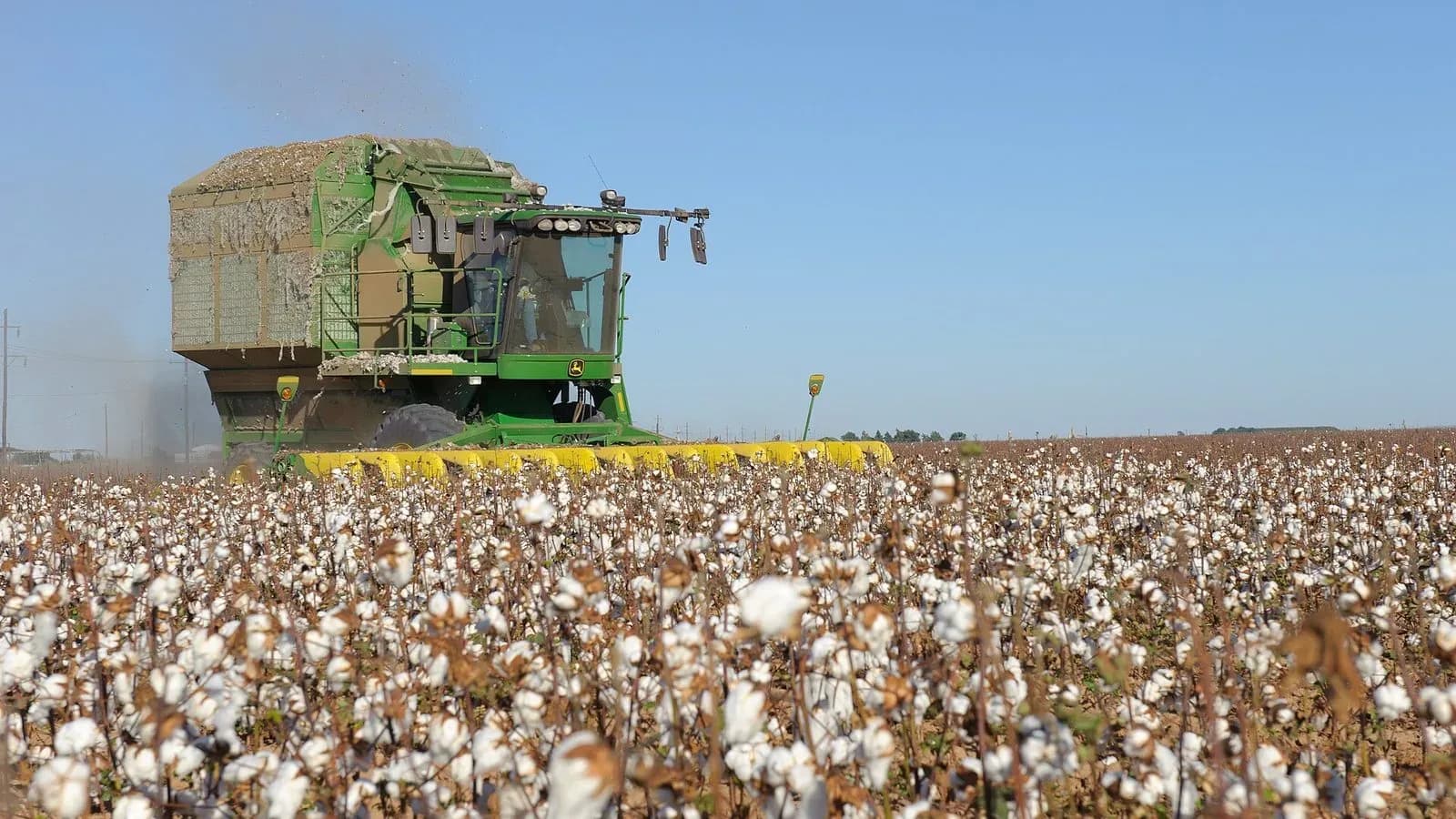
Texas farmers are bringing in the crop with diesel near the highest prices this state has ever recorded. Washington says help is on the way. The details are still coming.
The U.S. Department of Agriculture announced Monday that it will make $8 billion available for one-time payments to farmers this harvest season "to provide relief during temporary market disruptions and increased input costs." President Donald Trump announced the Harvest Fuel Relief program at a rally in Kansas Monday night.
"This $8 billion dollar investment will help bring certainty to our farmers during this harvest so they can continue to feed our nation," Agriculture Secretary Brooke L. Rollins said in the release.
What diesel costs in Texas
On Tuesday, the Texas average for diesel was $5.779 a gallon, according to AAA’s Texas price page. A year ago it was $3.104. AAA lists the state’s record diesel average as $5.980, set on Sept. 19 of this year.
Nationally, diesel hit a record $6.53 a gallon on Sept. 22 and now averages $6.32, up from $3.62 a year ago, CBS News reported from AAA data. The USDA estimates that net farm income will drop 2.6% this year as production costs rise 4.5%, and that fuel and oil expenses alone will jump nearly 30%, according to a September forecast cited by CBS.
Gasoline prices tell a similar story. Our look at Texas pump prices found regular still more than a dollar higher than last year.
How the payments will work
According to the USDA, the program will use a uniform formula to cover a portion of modeled losses during the 2026 crop year. That national loss average will be based on planted acres reported to the Farm Service Agency, Economic Research Service cost of production estimates, and World Agricultural Supply and Demand Estimates yields and prices.
The money is authorized under the Commodity Credit Corporation Charter Act and will be administered by the Farm Service Agency. The department said the program is similar to its Farmer Bridge Assistance program, which it said delivered $12 billion in one-time payments to more than 560,000 farmers earlier this year.
Payment rates for Title I commodities will be released in November. The USDA said methodology for other eligible commodities will be announced later.
What to do now
Create a Login.gov account. The USDA encourages eligible producers to set one up before the application period is announced. Pre-filled applications will be available online to producers with a Login.gov account linked to USDA.
Check your acreage reports. Because payments are based on planted acres reported to the Farm Service Agency, make sure your county office has your acres right.
You do not need crop insurance. The department said crop insurance linkage will not be required, though it strongly urges producers to use the risk management tools in the Working Families Tax Cuts Act.
Specialty growers and fishermen, speak up. Producers of non-Title I commodities, including specialty crop growers and fishermen, are encouraged to send data on their increased fuel costs to [email protected] so the department can consider it when setting payment rates. That could matter for Texas shrimpers and Valley citrus and vegetable growers who burn fuel but do not grow program crops.
The other side of the ledger
Not everyone sees the aid as a fix. Gbenga Ajilore, chief economist at the Center on Budget and Policy Priorities, told CBS that farmers would benefit more from a resolution of the U.S. war with Iran, which would likely lower energy prices, and from an end to the administration’s tariffs. "He imposes policies that harm farmers, then spends taxpayer money to offset the damage his policies create," Ajilore said.
CBS also reported that Trump earlier this month signed an executive order easing limits on the tax-free use of red-dyed diesel, aimed at lowering costs for farmers and truckers.
Relief payments are welcome to a family watching its margin disappear at the fuel tank. They are also borrowed against the same taxpayers who farm. Farmers will be best served by fuel they can afford, markets they can count on, and a government that keeps its promises plain. Until the rates come out in November, get your paperwork in order and keep your receipts.
More Business Stories
 Yesterday
Hundreds of Thousands of Texas Homeowners May Be Missing Their Homestead Exemption. Here Is How to Claim It
 Yesterday
Texas Regulators Kept Moving Data Center Permits After Abbott Ordered a Halt, Watchdog Report Says
 Yesterday