Texas School Land Board Opens Oil and Gas Lease Bids Today. Here Is Why It Matters for Schools
A five-member state board meets this morning to open bids from an online oil and gas lease sale and act on 29 drilling requests from major Permian and East Texas operators. The money flows to the Permanent School Fund.
One of the least-known boards in Texas state government meets this morning, and the business it handles helps pay for public schools.
The School Land Board meets at 10 a.m. Tuesday in a specially called session in the Stephen F. Austin Building in Austin. It will open the bids from that morning’s online oil and gas lease sale and act on 29 applications from operators drilling under state land, The Texas Dispatch reported from the posted meeting notice.
What is on the agenda
The 29 applications come in two kinds, according to the Dispatch. Sixteen are pooling applications, which let a company combine several state leases, and sometimes a strip of highway or a riverbed, into one drilling unit. Thirteen are production sharing agreements, which let a single well draw from more than one lease and split the royalty by acreage.
The operators include EOG Resources, Mewbourne, Coterra, Devon, Diamondback, Marathon, Magnolia and Permian Resources. The tracts are in Reeves, Loving, Webb, Panola, Harrison, Milam and Karnes counties, among others. One EOG unit in Webb County pools parts of a U.S. highway and ten named roads.
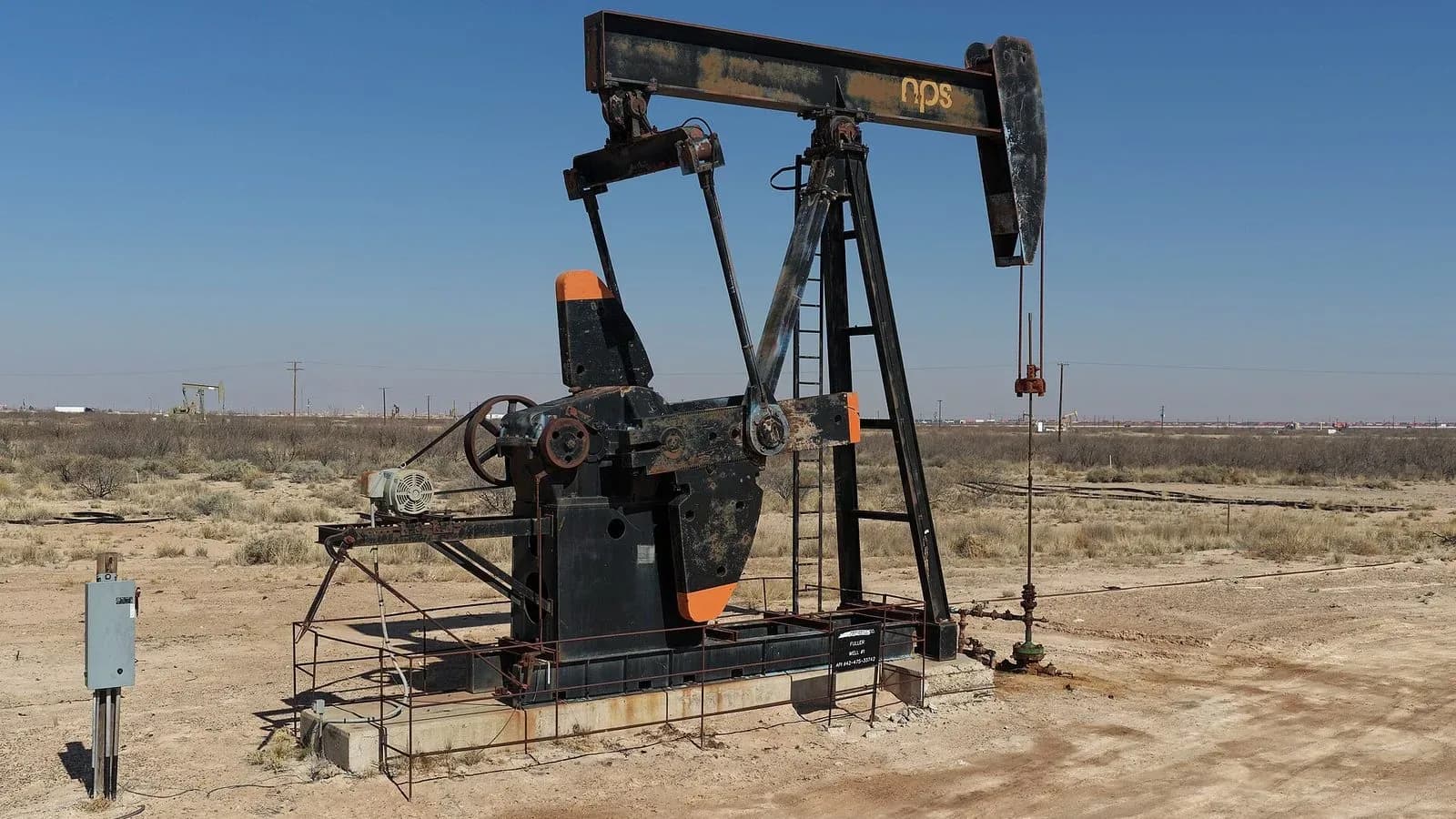
Those requests reflect how drilling works today. Long horizontal wells can cross several tracts underground, so the state has to decide how its share is pooled and paid.
The board also takes up a few items outside the oil patch, the Dispatch reported. One is a resolution letting the land commissioner issue leases for coastal erosion projects on school fund land without bringing each one back for a vote. The board will also consider disposing of about seven acres in El Paso County, two cabin assignments on the Laguna Madre, easement renewals for the Houston Yacht Club and a company on the Neches River, and a 20.5-acre right-of-way along old U.S. 80 in Harrison County. The notice does not list dollar values.
Who sits on the board
Under Chapter 32 of the Natural Resources Code, the board is made up of the land commissioner and four citizens appointed by the governor with Senate consent. Two of those four must come from lists of nominees sent by the State Board of Education, and at least one must live in a county of fewer than 200,000 people.
The same law bars officers, employees and paid consultants of statewide or national oil, gas or mining trade associations from serving on the board.
Land Commissioner Dawn Buckingham chairs it. The Dispatch lists the appointed members as Gilbert "Gil" Burciaga of Austin, Marcella Burke of Houston, Brad Curlee of Round Rock and David Eyler of Midland, all reappointed in April with terms running to August 2027.
Where the money goes
Money from the leases and agreements the board approves flows to the Permanent School Fund.
According to the Texas Permanent School Fund Corporation, the fund was created by Texas’ first Constitution in 1845 as a perpetual fund for public schools and was seeded with $2 million in 1854. It now holds more than $60 billion in assets and will distribute more than $4.8 billion every two years to Texas K-12 schools. The corporation also says the fund has guaranteed about $250 billion in public and charter school debt since 1984, which helps districts borrow at lower cost.
Put simply, when an oil company drills under school land, it pays the school fund. That arrangement has helped Texas schools for generations, and it is one reason oil and gas matter to families who never set foot in an oilfield.
What to watch
The lease sale results will not be known until the bids are opened at the meeting. Public comment is in person only and limited to posted items, and the webcast does not take remote comments, according to the Dispatch.
Oil and gas policy is also on the ballot this fall. Our coverage of the Railroad Commission race and the push to reuse oilfield water shows how much of Texas still runs on the industry. It started more than a century ago, when Corsicana went looking for water and found oil.