Texas Led All States in Job Gains Over the Past Year, Official Data Show
Texas added 30,600 nonfarm jobs in October and 203,300 over the year, the most of any state, TWC and BLS reported Nov. 20. Payrolls reached 14,500,500, the labor force hit a record, and unemployment held at 4.4 percent. The figures are subject to revision.
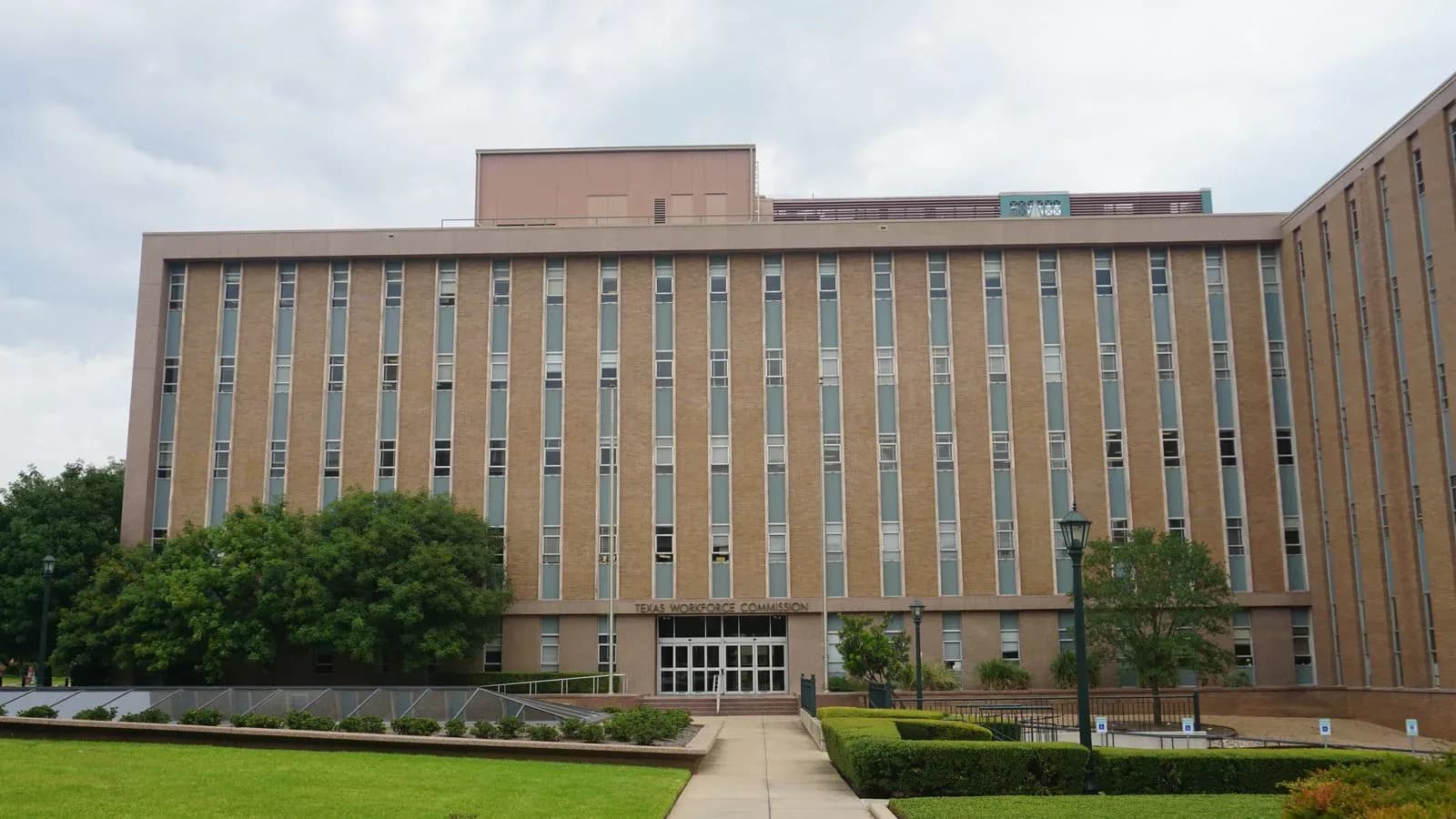
Texas added more jobs over the past year than any other state and reached new highs for total employment and the size of its labor force in October, Gov. Greg Abbott said in a Nov. 20 announcement citing the latest figures from the Texas Workforce Commission and the U.S. Bureau of Labor Statistics.
The commission’s own Nov. 20 release matches the headline numbers in the governor’s statement. Texas recorded 14,500,500 nonfarm jobs after adding 30,600 positions in October. Over the year, the state added 203,300 jobs, a 1.4 percent annual growth rate that TWC said outpaced the national rate by 0.8 percentage points.
The Bureau of Labor Statistics’ Nov. 20 state employment release listed Texas’ 203,300-job gain as the largest among the states over the year, ahead of California at 187,200 and Florida at 100,200. In percentage terms, other states grew faster; Louisiana’s 2.0 percent was the largest increase BLS reported. Texas’ October monthly gain of 30,600 was smaller than California’s 47,100, and BLS listed only four states — California, Indiana, Kansas and Iowa — as having statistically significant over-the-month payroll increases.
The civilian labor force reached a new high of 15,964,900 after a gain of 16,600 people over the month. The seasonally adjusted unemployment rate was unchanged at 4.4 percent.
“Texas is where the American dream lives and works,” Abbott said. “With the best business climate and strongest workforce in the nation, Texas is where jobs grow and opportunity abounds. Texas businesses, large and small, lead the nation in job creation so more Texas families have better jobs and bigger paycheck opportunities.”
Those claims about the business climate and “strongest workforce” are the governor’s characterization. The employment estimates themselves, TWC said, are produced in cooperation with the Bureau of Labor Statistics and are subject to revision. November data is scheduled for release on Dec. 18 at 9 a.m. Central time.
Where the October Jobs Were Added — and Lost
“Texas employers continue to drive economic momentum, adding 30,000 nonfarm jobs in a single month,” TWC Chairman Joe Esparza said. He pointed to Skills Development Fund grants and the Skills for Small Business program as ways the commission is working with employers on training.
TWC’s seasonally adjusted industry table shows the October gain was not spread evenly. Professional and Business Services had the private sector’s largest over-the-month increase, adding 13,600 jobs and raising that industry’s annual growth rate to 4.5 percent, the highest among private industries in Texas. Construction added 6,900 jobs over the month, and Trade, Transportation, and Utilities added 6,100. Manufacturing added 5,200, and Leisure and Hospitality added 1,700.
Other sectors declined. Mining and Logging lost 1,500 jobs over the month. Information lost 100 jobs in October and was down 10,100, or 4.6 percent, from October 2025. Financial Activities slipped 400, Other Services 1,000, and Government 700 over the month. Government employment was also down 2,600, or 0.1 percent, from a year earlier. Total private employment rose 31,300 in October, to 12,370,800.
The governor’s office also said Texans working, including the self-employed, totaled 15,264,500, and that under Abbott’s leadership Texas has gained nearly 2.7 million jobs since January 2015, more than any other state. Those two figures appear in the governor’s release and were not restated in the TWC employment report read for this article.
A 4.4 Percent Unemployment Rate, With Local Differences
The statewide seasonally adjusted unemployment rate held at 4.4 percent, even as the labor force and payrolls grew. That is not a new low in this report; it is an unchanged rate alongside the job gains.
Among metropolitan areas, using figures that are not seasonally adjusted, Midland had the lowest unemployment rate in October at 3.2 percent, TWC said, followed by San Angelo at 3.5 percent and Abilene, Amarillo, and College Station-Bryan at 3.6 percent. The same not-seasonally-adjusted table listed higher rates in several border and Gulf Coast areas, including 6.4 percent in Eagle Pass, 5.8 percent in Brownsville-Harlingen, and 5.4 percent in McAllen-Edinburg-Mission.
“With Texas’ civilian labor force approaching 16 million, more workers across our state are stepping up to build sustainable careers in a booming economy,” said TWC Commissioner Representing Labor Alberto Treviño III.
TWC Commissioner Representing the Public Brent Connett said the growth “shows that Texas industries are expanding and creating new opportunities,” and that the next generation of workers needs to be prepared to take them, pointing to career and technical education town halls and Jobs and Education for Texans grants.
The official picture for October is a state that added jobs faster than the nation over the year, set new highs for payrolls and the labor force, and still had a 4.4 percent unemployment rate, with sharp differences by industry and by metro area. Those are the numbers TWC and the governor released on Nov. 20, and they will be updated again next month.