Texas Food Trucks Now Need One State License, Not a Stack of City Permits. Here Is What It Costs
Since July 1, every food truck, pushcart and roadside vendor in Texas must hold a single license from the Department of State Health Services. Here are the three license types, the fees and how to apply.
For years, a Texas taco truck that worked in three cities might need three different permits. That has changed.
Since July 1, 2026, every mobile food vendor in Texas must hold a license from the Texas Department of State Health Services. The license is good everywhere in the state, so vendors no longer need a separate license for each local jurisdiction where they sell. The change comes from House Bill 2844, which the Legislature passed on May 26, 2025.
Who needs it
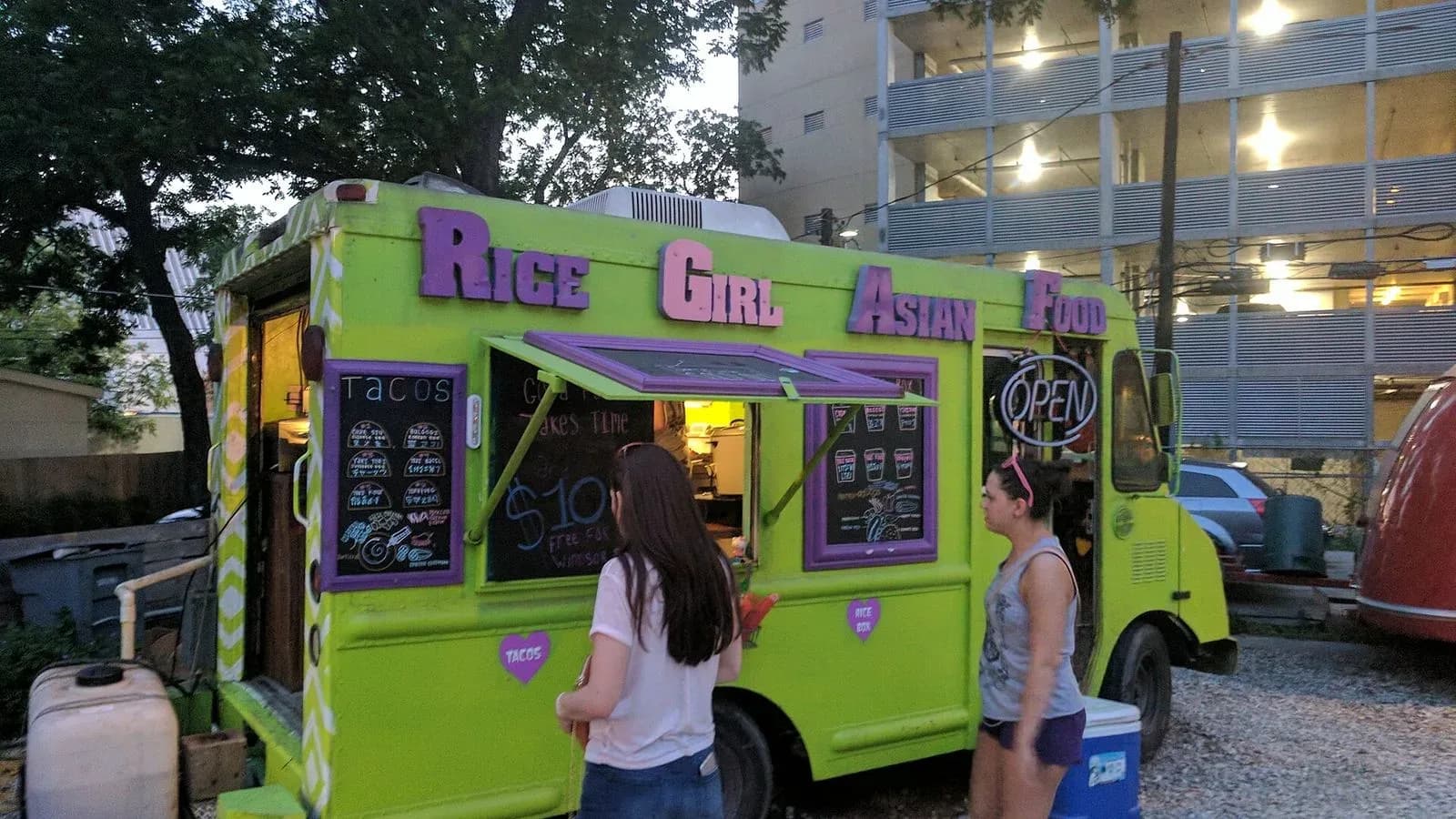
The law covers food trucks, pushcarts and roadside vendors. DSHS defines a food vending vehicle as a self-enclosed food service establishment, including catering trucks, trailers and roadside vendors, or a pushcart that is built to be readily moved. It is not a stand or a booth. A mobile food vendor is anyone who sells food or drinks from one of those vehicles for immediate service or consumption.
The three license types
DSHS assigns each vendor a type based on how much food handling it does, according to the agency's mobile food vendor page.
Type I covers low-risk vendors who do not sell foods that need time and temperature control for safety, such as prepackaged ice cream or prepackaged snacks.
Type II covers vendors who sell prepackaged foods that need limited handling, or food prepared to order and served right away. Examples include coffee trucks, snow cone stands and hot dog vendors.
Type III covers vendors who prepare, cook, hold and serve food from the vehicle, such as burger, barbecue and taco trucks.
What it costs
Both the application fee and the pre-licensing inspection fee are due when you apply, and the application fee includes a Texas Online fee.
Type I: $309 application fee, with no pre-licensing inspection fee.
Type II: $618 application fee plus a $400 pre-licensing inspection fee.
Type III: $876 application fee plus a $500 pre-licensing inspection fee.
Other fees may apply later. A routine inspection costs $400 for Type II and $500 for Type III. A complaint or compliance inspection runs $300, $400 or $500, depending on the type.
How to get licensed
Vendors apply online through DSHS. After the application is processed, the agency will contact the vendor to schedule a pre-licensing inspection. Once a vendor passes, DSHS issues a license good for one year from the inspection date.
Vendors who already held a local license could keep operating if they applied, showed proof of that license and paid the fees. Until the new license arrives, they must keep hard copies of their local license, the DSHS application summary and the payment receipt on the vehicle at all times.
New vendors with no existing Texas license may not sell until they pass inspection. DSHS says it prioritizes those inspections.
DSHS handles licensing and enforcement, but most inspections are done by local health departments under agreements with the state. Vendors must still follow all other state and local laws, so city rules on parking, zoning and hours still apply.
The agency's page links to a Mobile Food Vendor Guide in English and Spanish, pushcart guidance and minimum requirements for barbecue pits. Questions go to [email protected] or 512-406-2644.
Why it matters
"Our goal is to make this transitional period as smooth as possible for vendors, their customers and the local jurisdictions that previously licensed them," Timothy Stevenson, DSHS deputy commissioner for consumer protection, said when applications opened.
Food trucks are often a family's first step into owning a business, and one license instead of many is a real help to them. Honest work and fair rules go together. Clear, statewide standards protect customers without burying small owners in paperwork. For more on starting out, read our look at the Texas small business boom.