The Magnets Won't Be Made in Conroe. Their Missing Ingredient Will Be.
Hertha Metals has broken ground on a Conroe plant that will make the high-purity iron needed by U.S. rare-earth magnet manufacturers. The roughly $100 million Chalyx facility on FM 3083 targets production startup in late 2027.
Hertha Metals has broken ground on a Conroe plant that will make the high-purity iron needed by U.S. rare-earth magnet manufacturers.
Most people can see Conroe's growth from the road. New subdivisions appear behind fresh entrance signs. Schools, stores and medical buildings follow. Traffic fills the spaces between them. A new industrial project on FM 3083 shows another side of that growth — one that connects Conroe to electric motors, robotics, wind turbines, data centers and national defense.
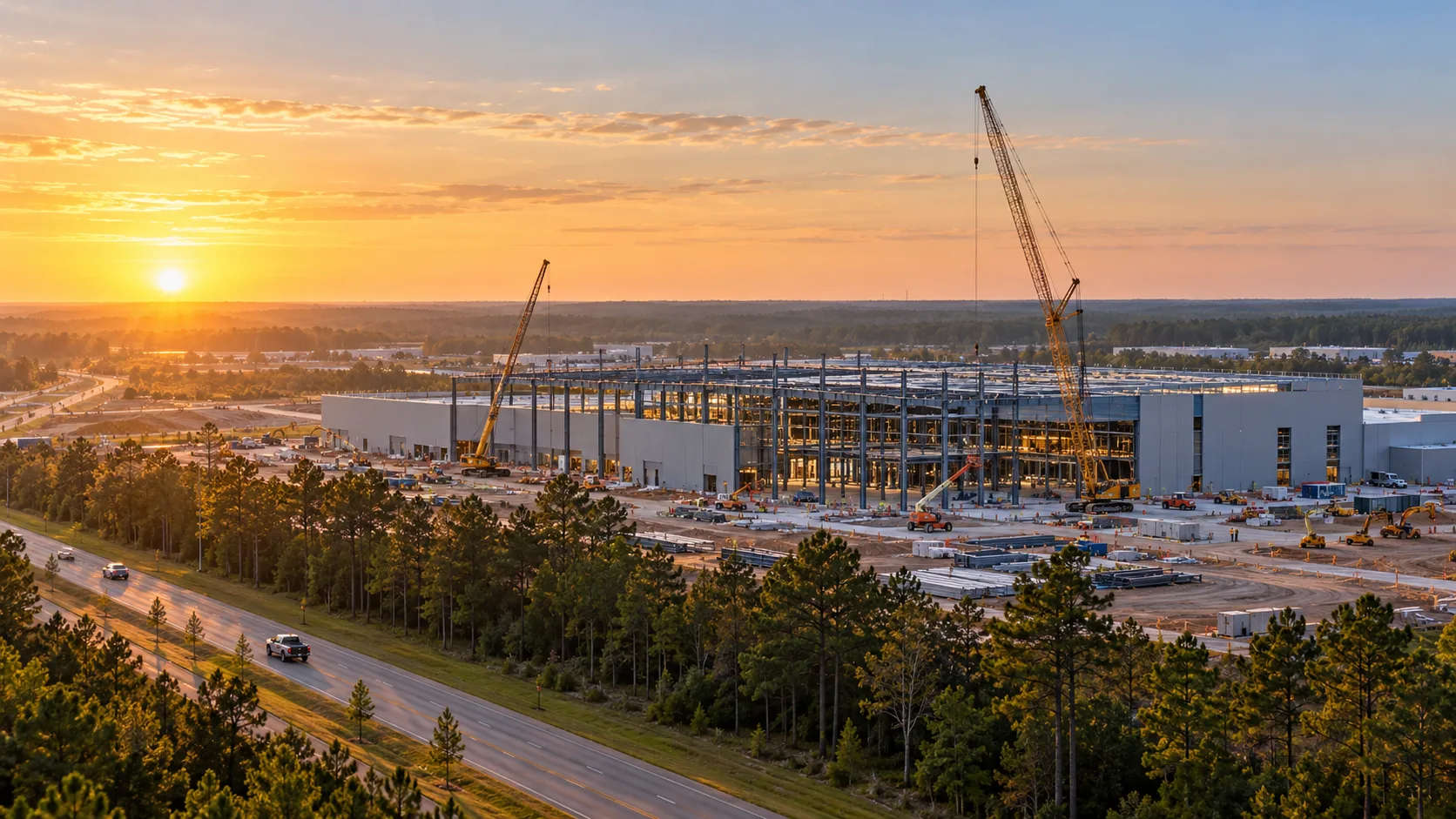
On October 8, Conroe-based Hertha Metals broke ground on Hertha Chalyx, its first commercial plant. The facility will be built beside the company's existing Pi100 demonstration plant at 100 FM 3083. Hertha says Chalyx is designed to produce about 10,000 metric tons a year of steel-grade and magnet-grade high-purity iron combined. The plant is expected to come online in late 2027, with magnet-grade production beginning in early 2028.
That description can be easy to misread. Conroe is not getting a rare-earth mine, and Hertha will not make finished magnets. It plans to make the material the magnet manufacturers are missing.
The Part Hidden Inside the Magnet
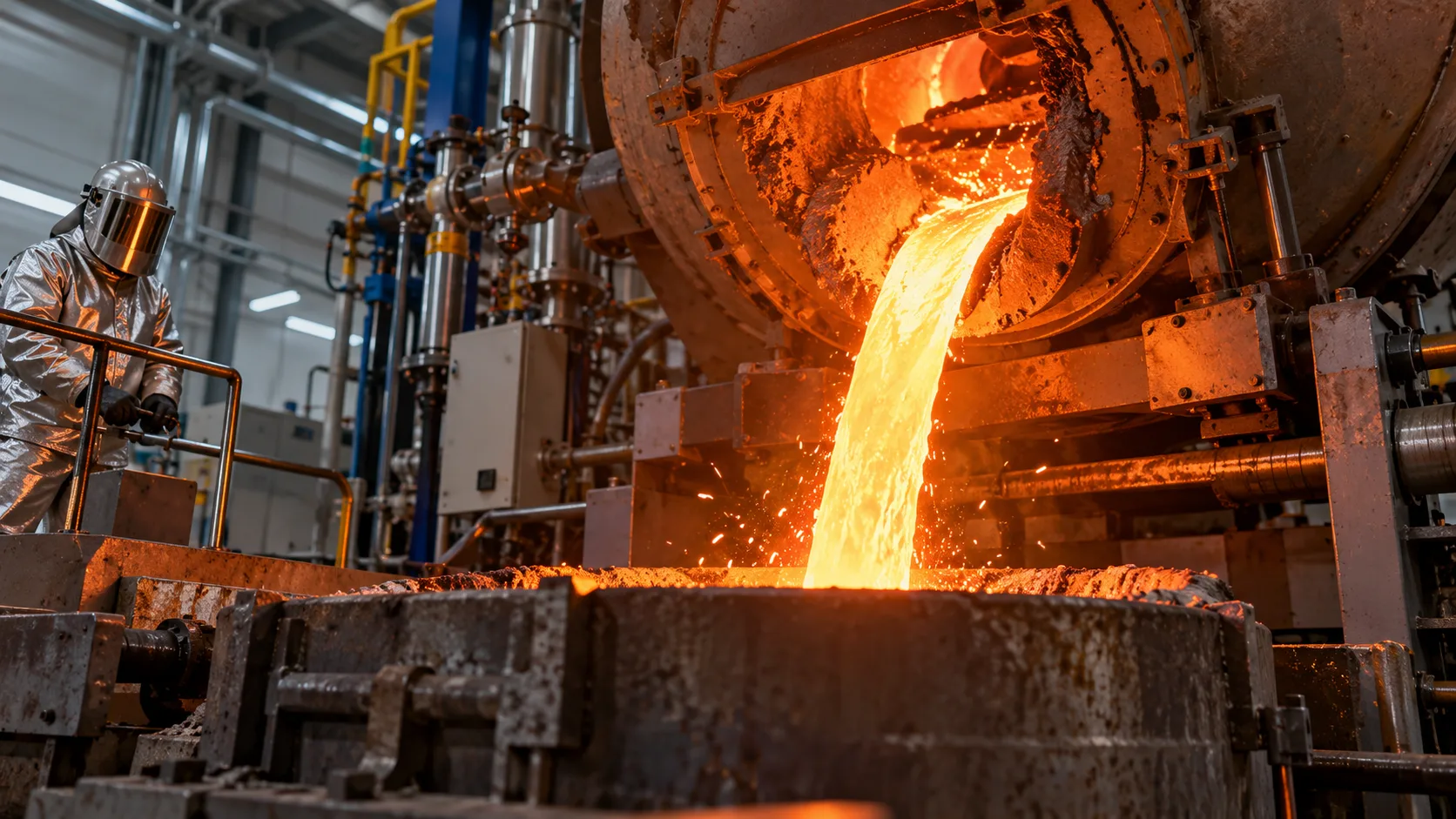
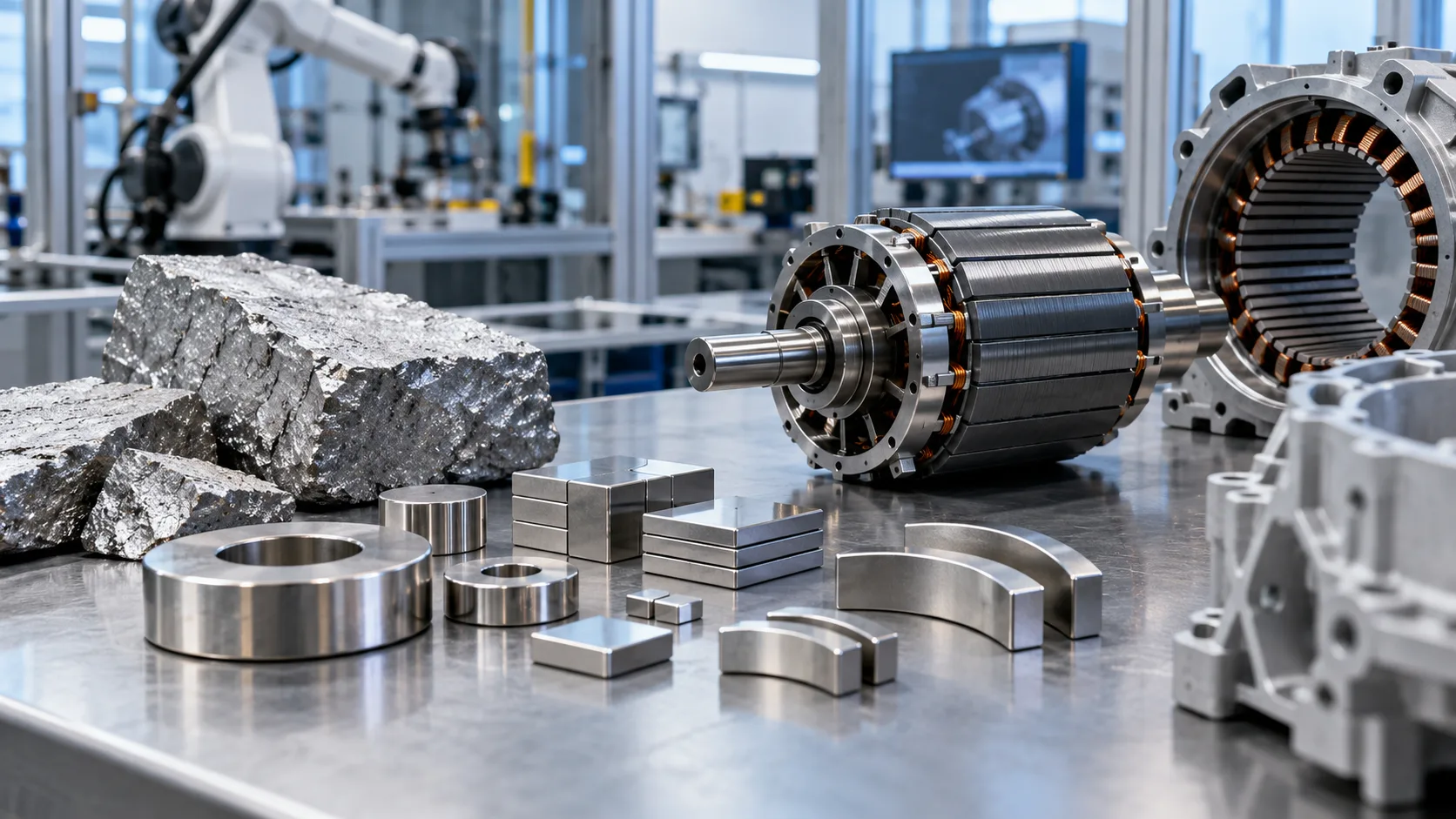
The most powerful permanent magnets used in modern equipment are commonly called neodymium-iron-boron, or NdFeB, magnets. The name emphasizes the rare-earth element, but roughly 70 percent of the magnet's weight is high-purity iron. That iron has to be far cleaner than ordinary material used in basic construction.
Hertha says its pilot process has reached 99.95 percent iron purity, the specification sought by major magnet manufacturers. The company estimates that China currently produces 94 percent of the high-purity iron used for these magnets. Hertha is now going through supplier qualification with U.S. magnet producers.
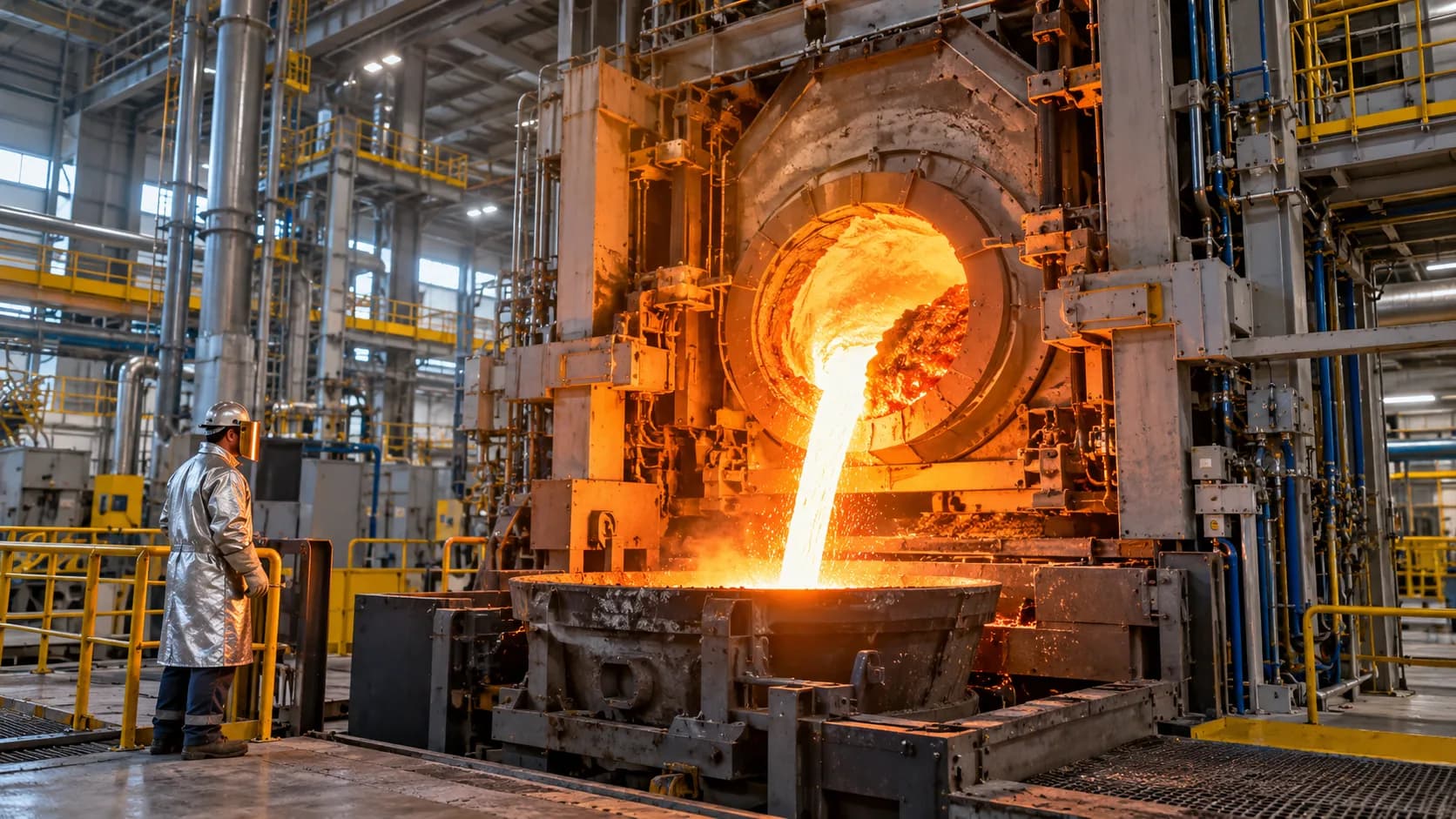
That is why a stream of molten iron in Conroe can matter far beyond Montgomery County. Rare-earth magnets are small, but they are essential inside electric-vehicle motors, wind turbines, industrial robots, radar systems and other defense equipment. The finished magnets may be made somewhere else. Their largest ingredient could soon begin its American journey on FM 3083.
A Pilot Becomes a Commercial Plant
Hertha opened its Conroe headquarters in 2023 and has been operating a demonstration facility capable of about 360 tons per year. Chalyx is the next step: not another laboratory trial, but a roughly $100 million commercial-scale test of whether the process can work reliably, repeatedly and at a competitive cost.
The company's approach combines work normally spread across several stages. Iron ore and natural gas — or, eventually, hydrogen — enter a single continuous reactor. By controlling the chemistry, Hertha says it can produce either liquid steel or high-purity iron. The process is also designed to accept lower-grade ore and fine material that conventional systems may struggle to use.
Hertha projects production costs about 25 percent below the traditional blast-furnace route. It also projects about 50 percent lower emissions when the furnace uses natural gas and reductions as high as 98 percent when using hydrogen. Those are company projections, not guarantees. Chalyx is where the technology must prove those claims at a scale nearly 28 times larger than the current demonstration facility.
The Money Is Bigger Than a Grant
The financing has produced some confusing headlines. On September 29, Hertha announced a $133.65 million Series A financing round. The total includes a $65 million equity investment from the U.S. government through the Industrial Base Analysis and Sustainment program, along with private investment led by Khosla Ventures and Doerr Capital.
That is not the same as saying the company received a $133.65 million government grant. The government portion of the new round is an equity investment. Hertha also received earlier Department of Energy support for research into hydrogen-electric iron production, but that is a separate award from the financing now backing construction and early operation of Chalyx.
The distinction does not end every debate about public investment in private industry, but it does keep the facts straight. Washington is supporting this project because dependence on overseas material has become a manufacturing and national-security concern. Private investors are backing a much larger ambition: Hertha says successful commercial operation at Chalyx would become the foundation for a future 500,000-ton-per-year iron and steel mill.
What Conroe Contributed
Conroe's population grew from an estimated base of 89,899 in 2020 to 119,564 in 2025, according to the U.S. Census Bureau — a 33 percent increase in five years. Population growth brings customers and rooftops, but it also builds a larger workforce, expands the contractor base and creates pressure for stronger infrastructure.
When the commercial plant was still only a goal, Hertha founder and CEO Dr. Laureen Meroueh credited the Conroe Economic Development Council, local operators, Entergy and a Conroe-area construction company with helping the pilot operation advance quickly. In 2025, she said the company wanted to keep its next expansion in Conroe if the location remained competitive. The October groundbreaking shows that the project stayed.
One plant did not cause Conroe's population boom, and Hertha has not announced a final permanent-job count for Chalyx. But the project helps explain what a fast-growing community can become. Conroe is no longer only a place where Houston-area growth lands. It is increasingly a place where companies can test, finance and build specialized manufacturing of their own.
What Still Has to Be Proven
A groundbreaking is a milestone, not a finished plant. Construction must stay on schedule. The furnace must run consistently. Magnet manufacturers must qualify the material. Customers must sign on, and the economics must hold after production moves beyond the pilot stage.
Those are meaningful risks, especially for a first commercial facility using a new industrial process. They are also the reason this project is worth watching instead of treating it as a one-day ribbon-cutting story. The next measurable steps will be construction progress, local hiring, supplier qualification, commissioning in late 2027 and the first magnet-grade production expected in early 2028.
A Different Kind of Growth
For years, Montgomery County's growth story has been told through houses, roads, schools and arguments over how quickly public infrastructure can catch up. Hertha adds another chapter. The people and development are not only consuming more services; they are helping create the workforce and business network that can attract more complicated industry.
The magnets will not be made in Conroe. But if Chalyx performs as planned, one of their most important and hardest-to-source ingredients will be. That is a small sentence carrying a very large change in what Conroe's growth may mean.