Why New Homes From Tomball to Montgomery Keep Dropping $10,000?
Those repeated $10,000 listing alerts are not a glitch. Builders are testing what it takes to bring payment-conscious buyers back through the door.
Those repeated $10,000 listing alerts are not a glitch. Builders are testing what it takes to bring payment-conscious buyers back through the door.
Look at enough new homes online around Tomball, Magnolia or Montgomery and the same message begins arriving: the price changed. Sometimes it drops $5,000. Very often it drops $10,000. Then another alert arrives a few weeks later and the same house has moved again.
It can feel like a computer repeatedly tapping a buyer on the shoulder. That is essentially what is happening, but the price changes are not random and they are not limited to one builder or one subdivision. They are the visible edge of a market in which builders still have houses to sell while buyers are struggling with the monthly payment.
The $10,000 email is not announcing that the housing market has collapsed. It is a builder asking a quieter question: Is this enough to make somebody come back?
The Pattern Is Local
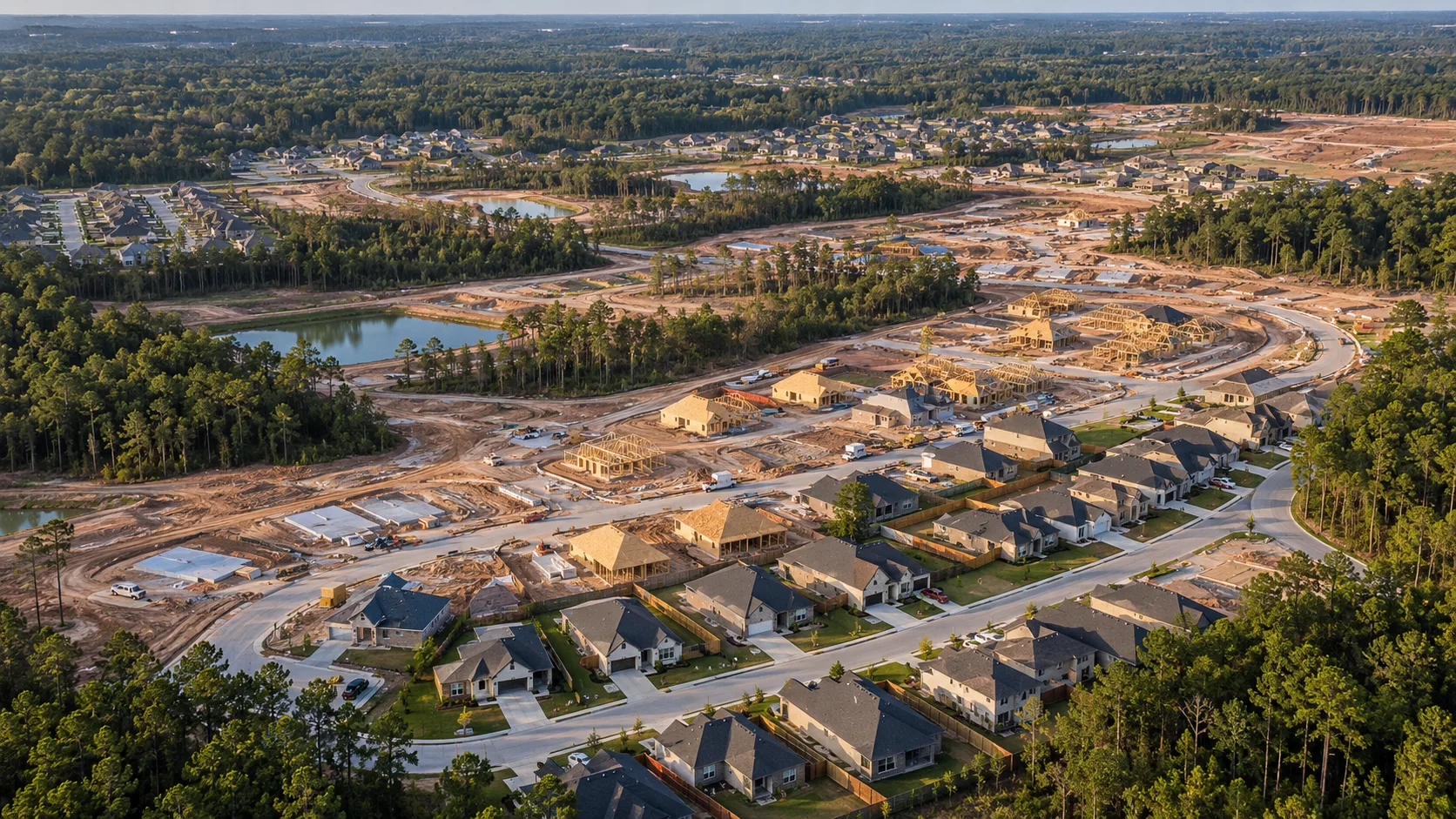
As of September 30, current price-reduced listings included a newly built Pulte home in Tomball marked down by $10,000. Magnolia listings showed new homes with reductions of $10,000, $13,000 and $46,000. Around Montgomery, new construction from multiple builders showed reductions ranging from $5,000 to $25,000, with several landing on the same $10,000 step homeowners are seeing in their alerts.
Those examples can change quickly because that is the point of the strategy. A builder may adjust one quick-move-in home without lowering the starting price of an entire community. If the reduction produces traffic or a contract, the builder learns something. If it does not, the price or incentive can move again.
That repeated step-down approach also puts a house back in front of people who saved it online. A $10,000 change is large enough to generate attention without forcing the builder to make one dramatic cut across every similar house nearby.
This Is Happening Well Beyond Montgomery County
The National Association of Home Builders reported that 38 percent of builders cut prices in September, up from 35 percent in August. The average reduction remained 6 percent for the sixth consecutive month. Even more builders — 66 percent — were using sales incentives such as mortgage-rate help, closing-cost assistance or upgrades.
Federal data points in the same direction. The median price of a newly sold home was $393,700 in August, down 5.8 percent from a year earlier. The nation had an estimated 8.5 months of new-home supply at the current sales pace.
Houston is especially sensitive because there are so many choices. The Houston Association of Realtors counted 38,947 active single-family listings in August and a 5.3-month supply. Single-family sales were down 11.5 percent from August 2025, while the median price fell $5,000 to $330,000. Redfin separately identified Houston as one of the country's strongest buyer's markets, with more than twice as many sellers as buyers in August.
Why $10,000 Does Not Feel Like $10,000

A five-figure reduction sounds substantial, but homebuyers shop by monthly payment as much as purchase price. Freddie Mac reported an average 30-year fixed mortgage rate of 7.03 percent on September 24. At roughly that rate, a $10,000 reduction saves about $53 per month in principal and interest when the buyer puts 20 percent down, because the mortgage itself falls by $8,000. With a smaller down payment, the monthly savings is somewhat larger, but it still may not be enough to move a household that was already stretched beyond its limit.
Taxes, insurance, homeowners association fees and mortgage insurance can further change the total. That helps explain why builders often advertise financing alongside price reductions. A true permanent rate buydown can lower the monthly payment more than a modest price cut. A temporary rate, closing-cost credit or appliance package may help in a different way. The largest number in the advertisement is not automatically the best deal for the buyer.
A Builder Cannot Wait Like a Homeowner Can
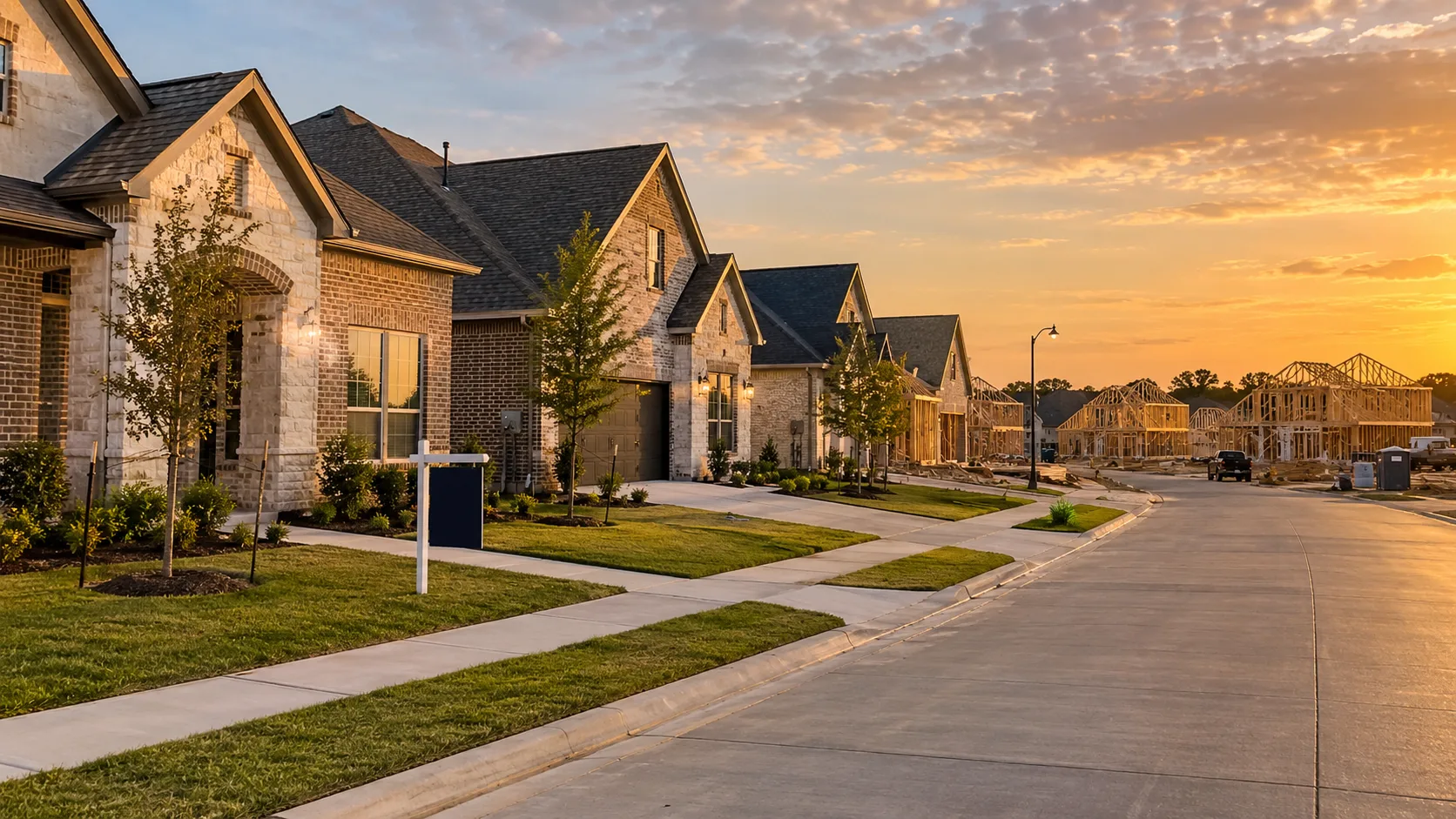
An individual homeowner who dislikes the offers may remove the house from the market, rent it or decide not to move. A builder with completed inventory has land, labor, materials, financing and carrying costs already tied up in the property. Finished houses also compete with the next section being framed down the street.
That does not mean every builder is desperate. It means builders are businesses with sales schedules. They can cut the price on a particular finished home, pay part of a buyer's financing cost or offer upgrades while leaving the broader community price structure intact.
The result is a market that can look strange from the road. Crews continue pouring slabs while completed homes receive new incentives. Construction and softer pricing can happen at the same time because the houses being finished today were planned, financed and started months or years earlier.
Price Cut, Rate Deal or Closing Credit
Buyers should compare every offer using the same four numbers: purchase price, cash needed at closing, monthly payment and total interest over the period they realistically expect to own the home.
A low advertised rate may require the builder's preferred lender, apply only to selected quick-move-in homes or increase after the first few years. The annual percentage rate may tell a different story from the large rate printed in the advertisement. Buyers should ask whether the rate is fixed or adjustable, permanent or temporary, and whether the price reduction can be combined with other incentives.
A permanent price reduction has another advantage: it lowers the amount financed and becomes part of the recorded sale price. Closing-cost assistance preserves cash on moving day. A rate buydown targets the monthly payment. There is no universal winner because the best choice depends on how long the buyer expects to stay, how much cash is available and what happens when any temporary financing period ends.
This Is Leverage, Not a Fire Sale
The current numbers show a market leaning toward buyers, not a repeat of 2008. Builders are still selling homes, Montgomery County is still growing and large communities are still moving through their development pipelines.
Prices also vary sharply by neighborhood, school district, lot, home size and completion date. What has changed is the balance of the conversation. During the pandemic rush, buyers asked what they had to offer before somebody else took the house. Now builders and sellers are more often asking what they must change before the buyer walks to the next subdivision.
That is useful leverage, but it is not permission to ignore inspections, tax rates, insurance, flood information or the long-term payment. A discounted mistake is still a mistake.
What Those Alerts Are Really Saying
The repeated $10,000 alerts are the sound of a housing market trying to find its footing one listing at a time. Builders know people still want homes. They also know that wanting one and qualifying for its payment are no longer the same thing.
For buyers who are financially ready, that creates room to compare communities, ask for written terms and negotiate the entire deal instead of chasing the newest red number. For everybody else, the emails are worth watching because they reveal which houses are sitting and how quickly a builder is willing to adjust.
They also leave a bigger question hanging over all that cleared land: if prices are soft enough to keep falling, why are builders still building? That answer begins long before a listing appears online — with land purchases, development pipelines and decisions that cannot stop as quickly as an email can change.