Election Night Results Are Unofficial. Here Is How the Count Becomes Final, and Why Patience Is Part of Trust.
The totals on TV Tuesday night are unofficial. Election officials keep counting, reconcile ballots, audit machines and certify results over the following days and weeks.
The facts come first below. My opinion follows in the section marked as opinion.
When the polls close Tuesday, millions of Americans will turn on the television or open their phones to watch the returns. It is worth knowing before then what those numbers are and what they are not. The short answer: the totals you see on election night are unofficial, and the work of counting and checking goes on for days or weeks afterward.
Election night numbers are unofficial
The National Conference of State Legislatures puts it plainly: on election night, the results seen on government websites or on television, news websites or social media are unofficial. News organizations make projections and may "call" races, but those results are subject to change as more votes are counted, and the NCSL says, "This is normal and happens in every election," according to its guide to what happens after the polls close.
The U.S. Election Assistance Commission, the federal agency that supports state and local election officials, says the same. "Importantly, the results reported on election night are not final even though the media may call the projected winner of races. Only election officials provide official election results," the commission says.
Some ballots arrive after Election Day
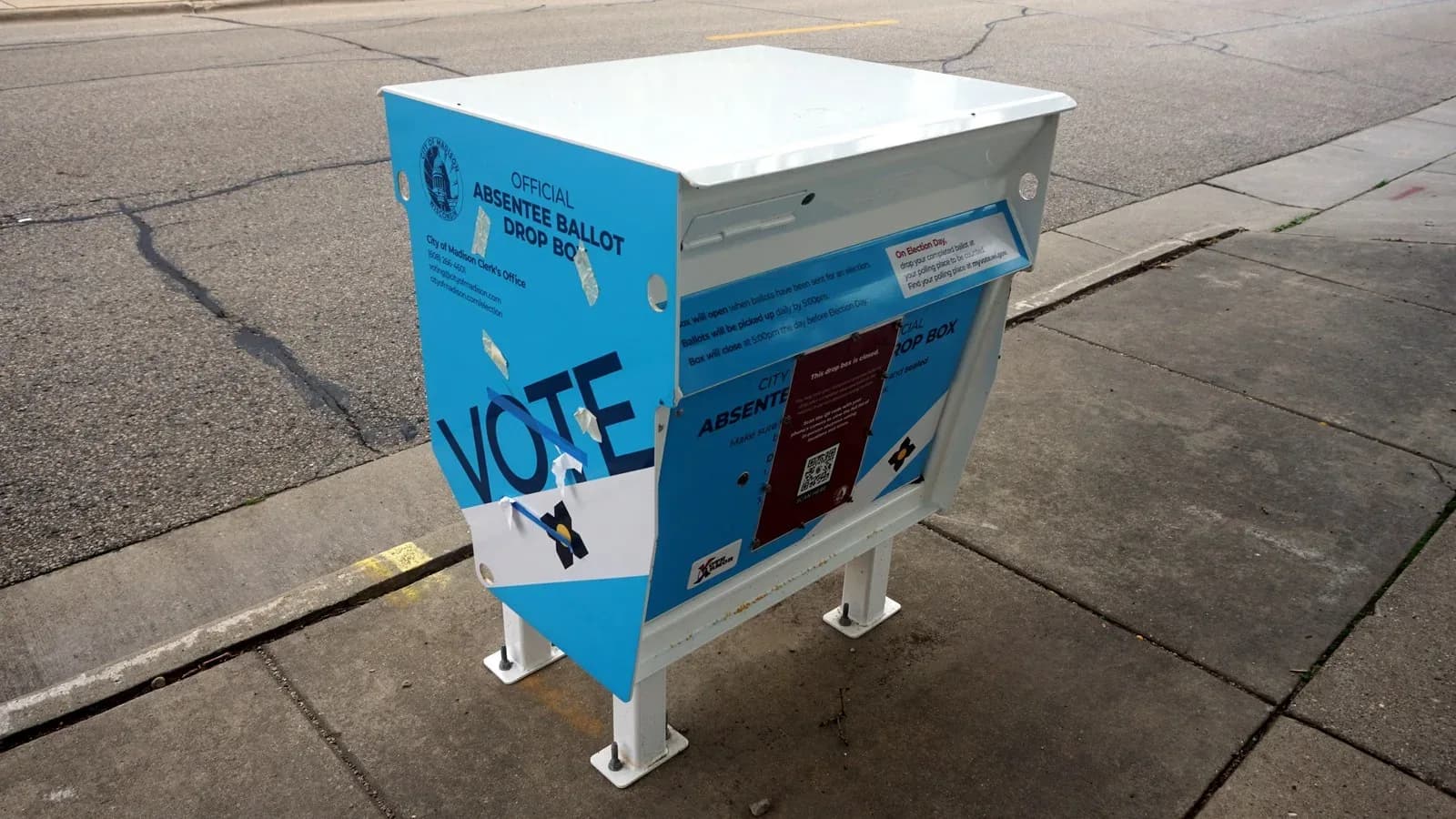
Thirty-five states require absentee and mail ballots to be received on or before Election Day, the NCSL reports. Fifteen states, along with Washington, D.C., and several territories, count mail ballots that arrive after Election Day if they are postmarked on or before it. Oregon, for example, accepts ballots received within seven days after the election, and Texas accepts them until 5 p.m. the day after, according to the NCSL.
The canvass
The canvass is the process that turns those early totals into final ones. According to the Election Assistance Commission, it aggregates and confirms every valid ballot cast and counted, including mail, military and overseas, early, Election Day and provisional ballots. During the canvass, officials reconcile the number of ballots cast with the number of voters.
How long that takes depends on where you live. Local canvass deadlines run from the day after the election in Alaska to 30 days afterward for most offices in California, while state canvass dates range from the Friday after the election in Oklahoma, if no contest has been filed, to the second Tuesday in December in Missouri, the NCSL reports.
Audits and certification
All 50 states and Washington, D.C., conduct some type of post-election audit, and the traditional audit, which compares machine tallies with the paper record, is used in 36 states. Thirty-one states and the District require those audits to be finished before the election can be certified, the NCSL reports.
Certification is the final step. The Election Assistance Commission describes it as officials attesting that the results are a true and accurate accounting of all votes cast. Recounts can also affect the timeline, and they may be triggered by a candidate's request, a voter's request, a margin within a legal threshold, or a court order, according to the commission.
Winners do not take office right away. Members of the U.S. House and Senate elected this fall take office on Jan. 3, 2027, the NCSL notes, and start dates for state and local offices vary.
Opinion: Patience is part of trust
Americans have good reason to care about honest elections, and conservatives have been right to insist on clean voter rolls, secure ballots and real audits. But caring about election integrity also means understanding how the count works, so we do not mistake ordinary steps for wrongdoing.
A total that shifts on Wednesday morning is not proof of fraud. It is usually the sound of mail ballots, provisional ballots and late-arriving military ballots being added, just as the law in that state provides. A race called by a network is not a race decided by the voters' officials. Both sides have been guilty of declaring victory or crying foul too early. Neither helps.
Scripture warns against that kind of haste: "Go not forth hastily to strive, lest thou know not what to do in the end thereof, when thy neighbour hath put thee to shame." A man who rushes to a public fight before the facts are in often has to walk it back.
None of this means citizens should sit on their hands. Poll watchers, canvass boards, audits and recounts exist so the public can check the work, and disputes belong in those channels and in court, as we have seen this season in DOJ Sues to Block Alaska Senate Certification if Sullivan Loses. If you have a concern, learn your state's deadlines, ask your county election office how the canvass is done, and volunteer to observe. Then let the count finish. A lawful result that takes a week is better than a hasty one that cannot be trusted.