

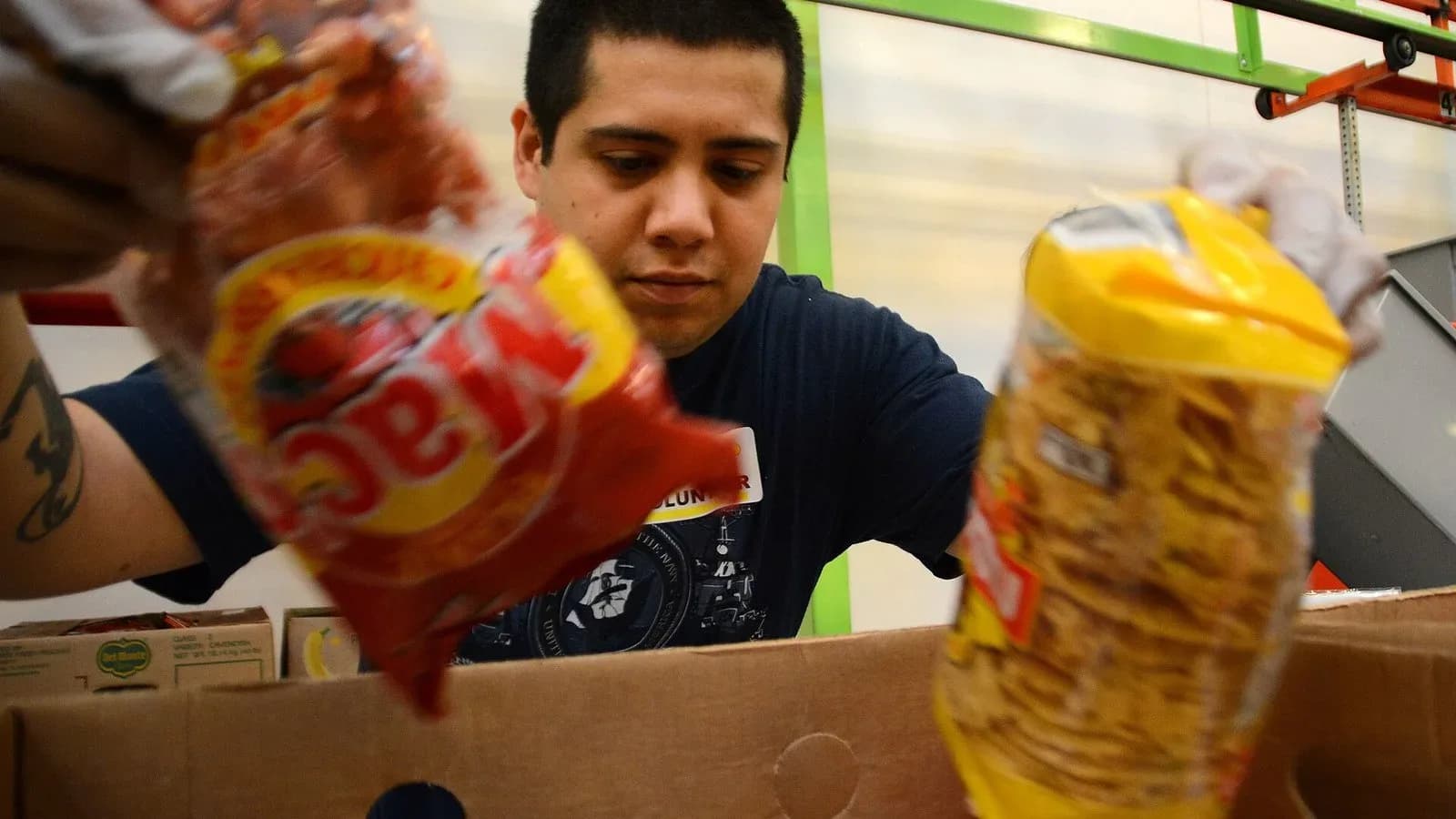
Texas SNAP Enrollment Hits a 17-Year Low as Work Rules Tighten and Applications Pile Up
About 2.8 million Texans got food stamps in September, down nearly 21% in a year. Federal work rules expanded, the state is behind on applications, and food banks say need is rising.
Fewer Texans are getting food stamps than at any time since 2009. Whether that is good news depends on why.
About 2.8 million Texans were enrolled in the Supplemental Nutrition Assistance Program in September, the lowest since August 2009, according to the latest Texas Health and Human Services Commission data reported by The Texas Tribune. That is down 20.8 percent from September 2025, the steepest one-year drop in two decades. National SNAP enrollment is also at a 17-year low.
What changed
Experts point to the One Big Beautiful Bill Act, which Congress passed last year.
Since 1996, able-bodied adults without children under 54 have had to work a set number of hours a month to keep SNAP, or lose it after three months in a three-year period. The 2025 law expanded that work requirement to parents of children 14 or older and to people up to 64 years old. It also ended eligibility for some groups, including refugees and many lawful migrants. Immigrants in the country illegally are not eligible for SNAP.
Celia Cole, chief executive of Feeding Texas, a statewide network of food banks, said some people between 55 and 64 are struggling to meet the new work rules, especially those who had been out of the labor force for years.
The backlog
The other problem is paperwork. In September, HHSC processed 64 percent of SNAP applications within the required 30 days, down from 91 percent a year earlier. Federal rules require 95 percent, and states that fall short risk losing federal money.
The state also faces a new bill. Under the 2025 law, states will share costs if their error rates stay high. If Texas does not bring its error rate of nearly 9 percent below 6 percent, it could face up to $2 billion in added costs over the 2028-2029 budget, the Tribune reported.
HHSC Executive Commissioner Stephanie Muth has made lowering that error rate her top budget priority. "Every improvement in accuracy helps protect taxpayer dollars and reduce the state’s exposure to these new costs," she said.
"New SNAP mandates require a thorough review of each case to ensure program integrity and accuracy," said agency spokesperson Guillermo Zenizo Lindsey. "HHSC will continue supporting eligible Texas families as quickly as possible." The agency did not explain what is driving the drop.
Advocates say the push for accuracy has slowed both SNAP and Medicaid applications, which the same staff review. "We don’t want kids or seniors going to bed hungry because state workers can’t get through the stack of SNAP applications piling up in their office," said Diana Forester of Texans Care for Children.
Who is affected
Children make up most SNAP recipients in Texas, about 1.4 million, and more than half of the enrollment losses since last September. The number of children under 5 on SNAP is the lowest in more than 20 years. SNAP also automatically qualifies children for free school lunch and moves them up the waitlist for subsidized child care.
"The declines aren’t the result of people leaving the program because they no longer need it, or because they found work," Cole said. "At the same time that you’re seeing this record low enrollment, we’re seeing record high need in our communities."
Rural Texas feels it too. Brookshire Brothers, the only grocery source in many parts of rural East Texas, has seen SNAP spending drop. Its Brown Bag of Hope program lets a customer buy a $10 bag that can feed a family of four, which the store delivers to a local food bank. It sent out more than 4,000 bags over the summer.
Work, accuracy and mercy
Work requirements rest on a sound principle. Scripture says, "If anyone is not willing to work, let him not eat" (2 Thessalonians 3:10), and honest stewardship of tax dollars is no small thing. A lower error rate protects both taxpayers and the program.
But the same Bible commands care for the widow, the orphan and the poor. A rule meant for able-bodied adults should not leave eligible children waiting months because an office is behind. Texas should clear its backlog, and fast.
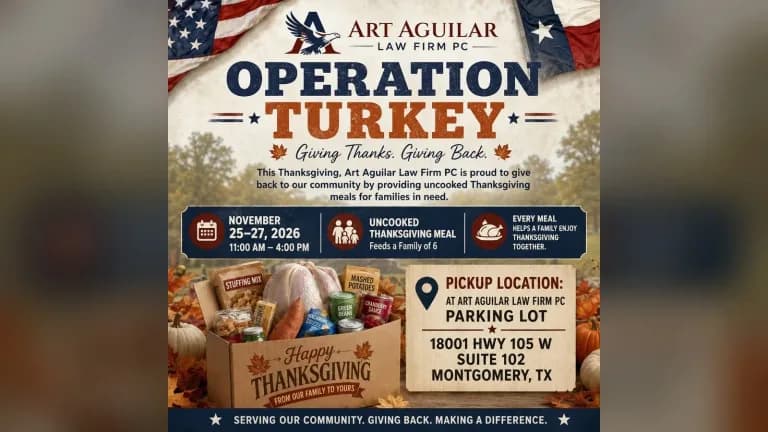
In the meantime, neighbors can help. Food banks need volunteers and gifts, and churches and businesses are stepping up, like the Montgomery law firm handing out free Thanksgiving meals.
More Community Stories
 Yesterday
Floods Tear Through Southwest Colorado. Polis Declares a 12-County Emergency as Rescuers Pull People From the Water.
 Last Week
The Small Towns Didn’t Disappear. Their Residents Just Stopped Going Into Them.
 Last Week