The Jobs We Told Kids to Avoid May Be the Ones AI Can't Replace
AI can draft, sort and predict. It still cannot walk into a hot attic, diagnose a failing system and earn a homeowner's trust. Skilled trades are not immune to change, but they may be one of the clearest paths through it.
AI can draft, sort and predict. It still cannot walk into a hot attic, diagnose a failing system and earn a homeowner's trust. Skilled trades are not immune to change, but they may be one of the clearest paths through it.
Ask Americans what artificial intelligence means for their jobs and the first answer is often fear. A 2025 Pew Research Center survey found that 52% of U.S. workers were worried about AI's future use in the workplace. Nearly a third believed it would leave them with fewer job opportunities over time.
That fear is real. It is also incomplete.
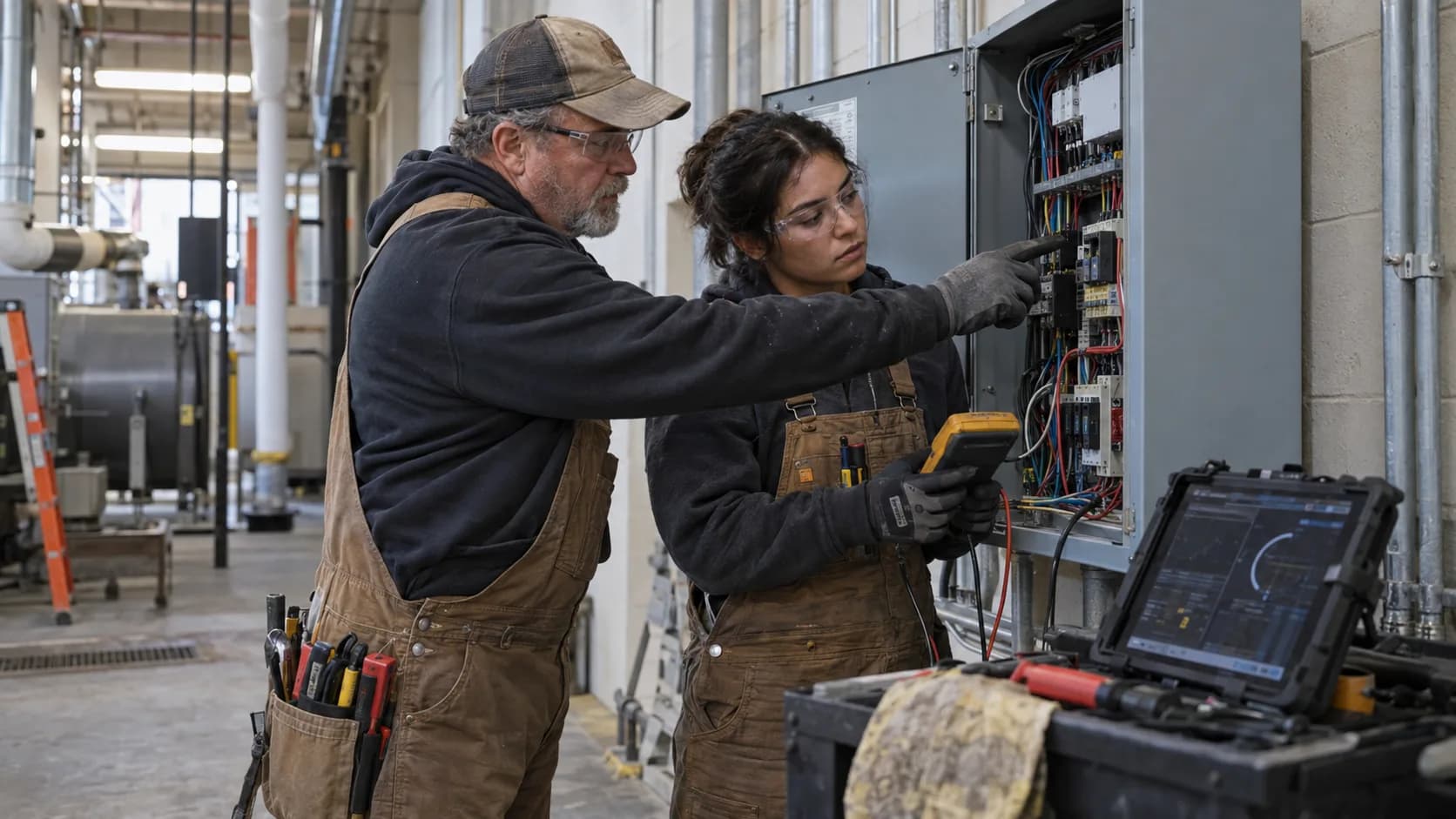
Software is getting better at writing, sorting, summarizing and predicting. Meanwhile, breakers still trip. Pipes still leak. Air conditioners still quit in August. Motors fail, roofs age, trucks break and somebody has to walk into an unfamiliar place, determine what went wrong and make it work again.
For years, many families treated that kind of work as a second choice — the road a student took when the "real" plan did not work out. In the age of AI, we may discover that some of the jobs we told young people to avoid were never lesser jobs at all. They were simply useful in a way a screen can hide.
The future still has a physical address
The International Labour Organization's latest global study found that one in four workers is in an occupation with some exposure to generative AI. But it also reached a conclusion that gets far less attention than the alarming headlines: because human input remains necessary, most affected jobs are more likely to be transformed than eliminated.
Exposure also is not distributed evenly. Generative AI is strongest where work already moves through words, images, spreadsheets and other digital files. A skilled trade takes place in the stubbornly physical world. The worker must move through a cramped attic, feel vibration, notice a smell, read an old repair, work around a building that does not match the blueprint and make a safe decision while a customer waits for an answer.
That does not make the trades immune. Robots can handle repeatable factory tasks. Prefabrication can move part of a job away from the worksite. BLS expects welding employment to grow just 2% from 2025 to 2035 and specifically says manufacturing automation may limit demand. Anyone promising an "AI-proof" career is offering more certainty than the facts allow.
What the trades do offer is a stronger mix of defenses: physical dexterity, site-specific troubleshooting, licensing, safety responsibility, communication and trust. The protection is not the wrench by itself. It is the judgment of the person holding it.
Demand is not theoretical
The newest federal projections put numbers behind the opportunity. From 2025 to 2035, the Bureau of Labor Statistics expects electrician employment to grow 9%, plumbing and pipefitting 7%, and HVAC work 11%. All three are projected to grow faster than the 3% average for all occupations.
The annual openings are substantial: about 72,700 for electricians, 42,000 for plumbers, pipefitters and steamfitters, and 40,600 for HVAC technicians. Many openings will replace people who retire or change careers, but the need for new construction, repair and upgraded systems remains.
The pay is not imaginary, either. National median annual wages in May 2025 were $63,190 for electricians, $63,800 for plumbers, pipefitters and steamfitters, and $61,010 for HVAC technicians. Those are medians, not promises. Pay varies by location, specialty, union status, licensing, experience and overtime. Apprentices start lower. The work can be hot, dirty, physically demanding and dangerous when safety is treated casually.
Still, there is a striking twist in the numbers: AI itself is adding to demand for some of the people who work with their hands. BLS says growth in artificial intelligence and the data centers supporting it will increase electricity demand, requiring grid upgrades and new infrastructure. The agency also expects data-center construction and increasingly sophisticated climate-control systems to help drive HVAC employment. The cloud, it turns out, needs electricians, cooling technicians, pipefitters and maintenance crews on the ground.
The argument was never college versus work
Mike Rowe has spent years pushing back on the idea that a four-year degree is the only respectable route. His mikeroweWORKS Foundation supports short training programs in electrical technology, plumbing, welding, HVAC, construction, diesel technology and other fields. Rowe's larger point survives the debate around his style: education should be judged by what it prepares a person to do, what it costs and what doors it opens — not by whether it happens in a lecture hall.
That is not an argument against college. Engineers, nurses, teachers, scientists, accountants and many other professionals need formal degrees. It is an argument against pretending that every capable student needs the same route. A young person who can diagnose a circuit, rebuild a compressor or manage a jobsite is not a student who settled. That student learned a different kind of intelligence.
Apprenticeship changes the math
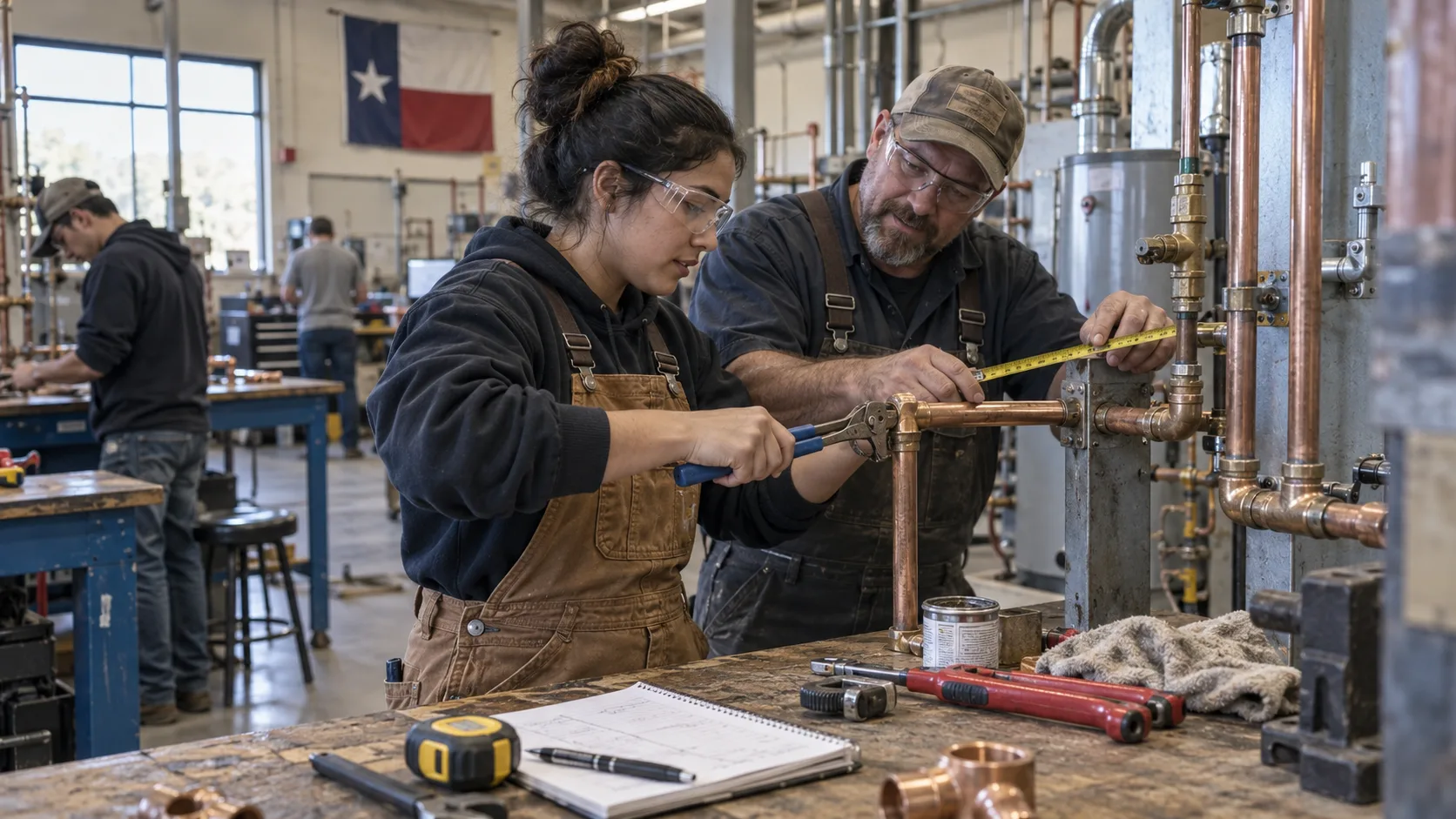
Many of the strongest trade paths combine classroom instruction with paid work. Electrician and plumbing apprenticeships commonly last four or five years and include about 2,000 hours of paid on-the-job training for each year of the program, plus technical instruction. Pay generally rises as skill and responsibility grow.
The system is larger than many people realize. As of fiscal year 2025, the U.S. Department of Labor reported more than 702,000 active apprentices in more than 26,000 registered programs across construction, energy, advanced manufacturing, transportation, health care, technology and other industries.
An apprenticeship is not free money or an easy road. Programs can be competitive. Licensing and certification take time. A trainee still has to show up, study, work safely and accept correction. But earning while learning can change the financial equation for a family that cannot or does not want to begin with four years of tuition.
AI belongs in the toolbox
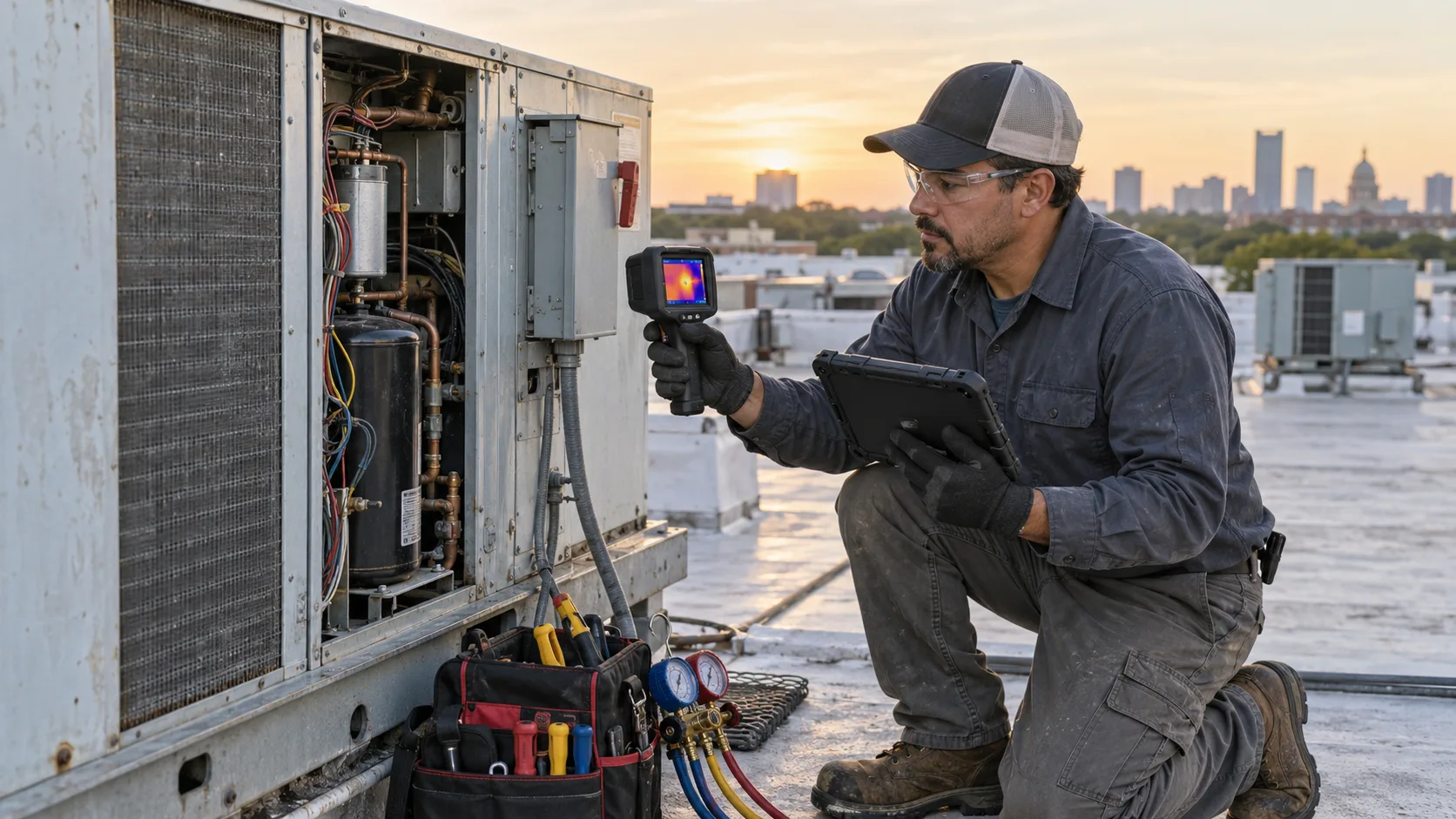
The smartest tradespeople will not turn their backs on AI. They will make it another tool. An electrician can use software to organize estimates and documentation. An HVAC technician can combine sensor data, thermal imaging and predictive maintenance alerts. A plumber can work from digital building models. A small contractor can use AI to schedule calls, explain options in plain language and reduce the paperwork that follows a long day in the field.
None of that removes the person who verifies the diagnosis, follows the code, protects the customer's property and signs off on the work. It may make a careful worker more productive. It also raises the value of technical literacy. The future tradesperson will need both the old discipline — measure twice, work safely, know the system — and the new discipline of checking what the software says before trusting it.
What to tell a kid — or an adult starting over
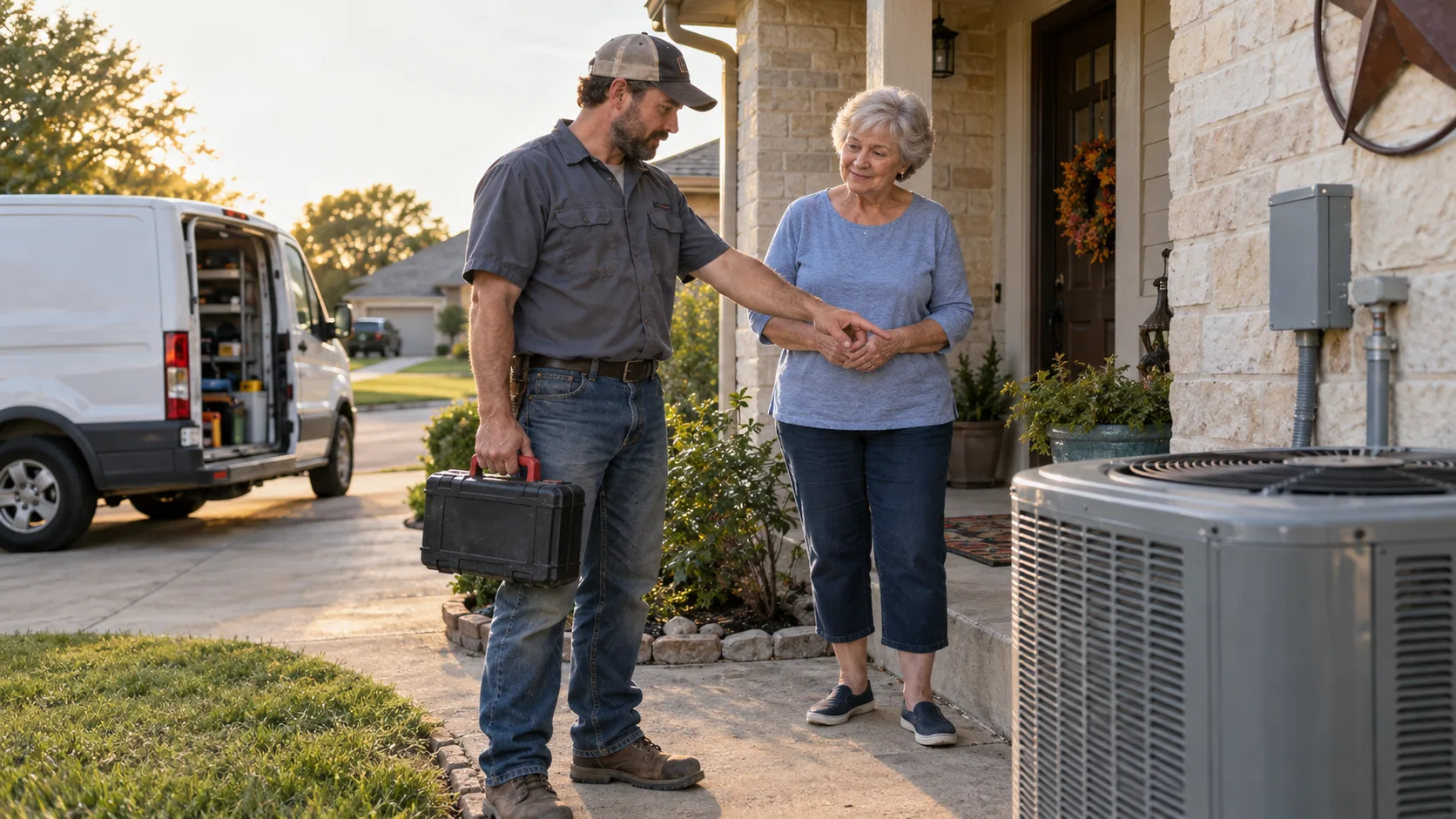
Do not choose a trade because a frightening video said every office job will disappear. Do not reject one because somebody once called it a fallback. Start with the person and the place.
Look locally. Compare real openings, starting pay, advancement, licensing and working conditions where you expect to live.
Try the work before buying the training. A job shadow, high-school career course, pre-apprenticeship or conversation with a working tradesperson can reveal more than a brochure.
Ask how the program connects to employment. Completion rates, employer partners, required tools, total cost and eligibility for licensing matter more than a polished sales pitch.
Learn the technology too. The person who can repair the machine and use better diagnostic tools may be more valuable than either skill alone.
Respect the body and the customer. Safety, communication, reliability and business sense are not extras. They are part of the craft.
A next move is better than a guarantee
No one can promise that a trade will remain unchanged, that every apprentice will prosper or that AI will leave any occupation untouched. Work has always moved. Tools improve. Markets turn. New specialties appear while old tasks fade.
The more honest promise is smaller: people will keep needing real things built, maintained and repaired. They will keep valuing someone who can arrive, understand the problem, explain the choices and take responsibility for the result.
Whatever happens is going to happen. Worry cannot stop it. We can learn what we can, adapt where we can, keep our skills useful and do the best we can. That is not surrender to the future. It is how people have always met it.