Churches Will Pray for the Persecuted on Nov. 1 and 8. Thirty Years On, Remember Them as Bound With Them.
The International Day of Prayer for the Persecuted Church marks 30 years on Nov. 1 and 8 under the theme "Do You Know Our Suffering?"
The facts come first below. My opinion follows in the section marked as opinion.
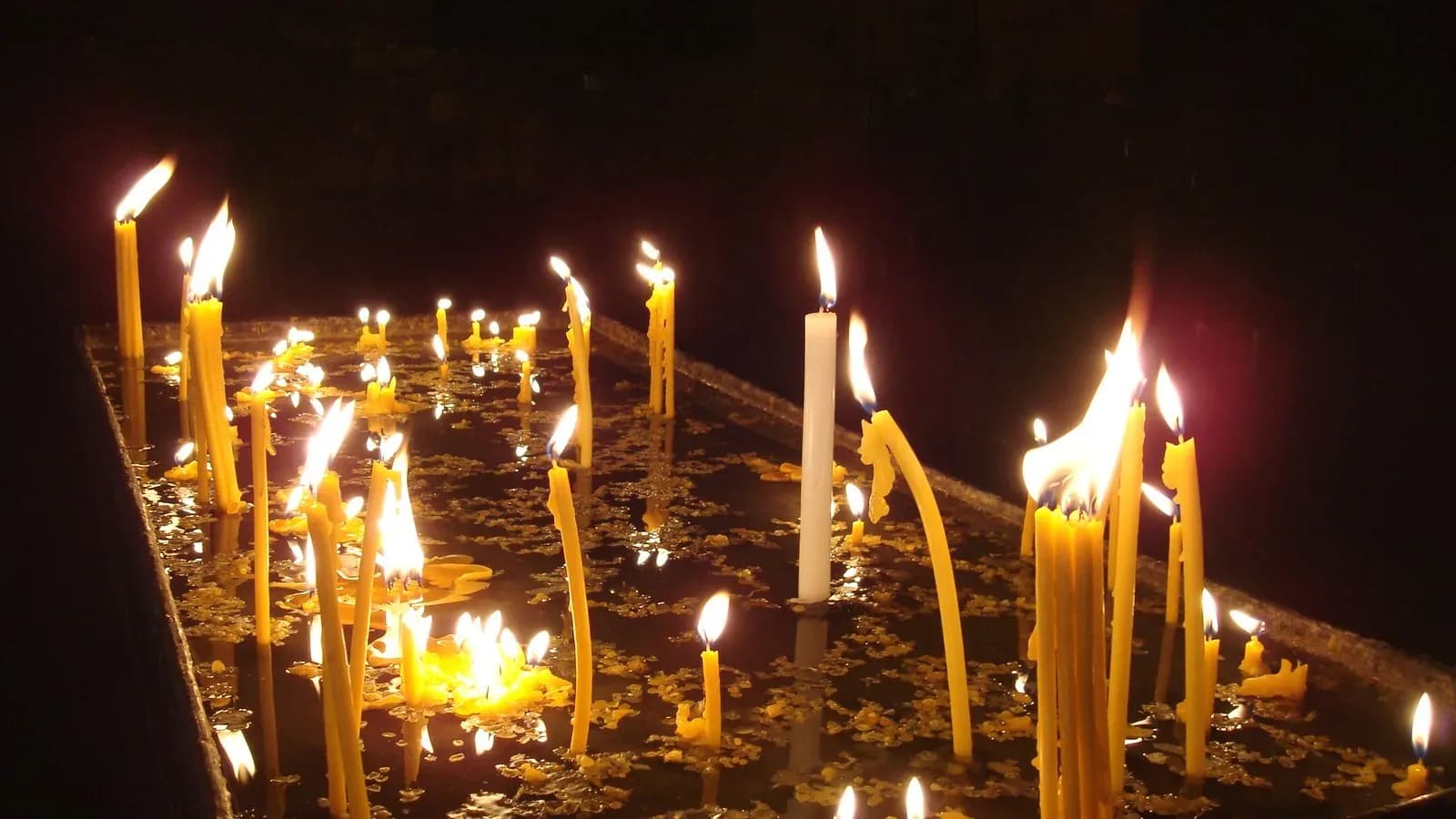
Churches around the world will set aside the next two Sundays, Nov. 1 and Nov. 8, for the International Day of Prayer for the Persecuted Church. This year marks 30 years since the World Evangelical Alliance first called the global church to a single day of prayer for believers under pressure for their faith, according to the alliance's 2026 media kit.
The 2026 theme, according to the kit, is "Do You Know Our Suffering?" It is drawn from Paul's second letter to Timothy, where the apostle commends Timothy for knowing his teaching, his way of life and the persecutions he endured. The organizers say the question is meant to make the church examine itself, according to the observance's website: "do we really know the believers we pray for?"
How it began
The observance began in 1994 as an emergency call to prayer for Iran, after the murder of Bishop Haik Hovsepian Mehr. The response was so great that in 1996 the World Evangelical Alliance, then called the World Evangelical Fellowship, called the whole church to a day of prayer for the persecuted. More than 100 countries took part in the first year, the organizers say.
According to the media kit, Bishop Hovsepian Mehr was killed in January 1994 for defending Mehdi Dibaj, a pastor sentenced to death for apostasy. The observance has since been taken up by Catholic and mainline bodies as well as evangelicals. Two Sundays are offered so churches can keep their own traditions, since many mark All Saints' Day on Nov. 1.
The numbers behind the prayers
The alliance cites the International Institute for Religious Freedom's Violent Incidents Database for 2025. It recorded 4,652 Christians killed across 36 countries, 2,832 abductions and 3,527 people forced from their homes inside their own countries. Nigeria alone accounted for 3,792 of the killings, more than four in five, according to the kit.
The kit notes a different pattern for arrests. Officials were recorded as the perpetrator in 812 of 843 arrests and in 198 of 199 custodial sentences. China led on arrests, followed by Iran, Tanzania, Russia and Thailand, and Russia led on sentences. In India, 212 places of worship were affected, 200 of them through administrative closure.
The organizers are careful about what those numbers mean. They are recorded incidents, "so they are a floor rather than a total," the website says. The kit also acknowledges that other organizations publish different totals and says that methodologies differ.
Godfrey Yogarajah, chair of the alliance's International Council, said the day "has reminded the global Church that persecution is never someone else's problem," according to the website.
Opinion: Remember them, as bound with them
American Christians are blessed. We argue about school boards and ballot measures, and we should, but most of us will drive to church on Nov. 1 without fear of a gunman at the door or a policeman with a warrant. That is not the case in much of the world. A believer in northern Nigeria, a house church pastor in China, a convert in Iran: these are not abstractions. They are our family.
Scripture does not let us forget them. "Remember them that are in bonds, as bound with them," the writer of Hebrews says. Paul told Timothy plainly what to expect: "Yea, and all that will live godly in Christ Jesus shall suffer persecution."
I appreciate that the organizers are honest about their figures. Calling the numbers "a floor rather than a total," as the website does, and admitting that other groups count differently is exactly how Christians should handle facts. We do not need to inflate the suffering of our brothers and sisters. The plain record is heavy enough. When one country accounts for more than four in five recorded killings, our prayers and our government's diplomacy should be paying attention to Nigeria.
The timing fits. Reformation Day, which this magazine marked in Reformation Day Oct. 31: Luther's Ninety-five Theses and Repentance, comes the day before. The Reformers knew what it cost to hold to the gospel. So pastors, set aside part of your service on Nov. 1 or Nov. 8. Families, pray by name for one country at your dinner table. And ask yourself the question the organizers ask: do you know their suffering? If not, take a few minutes this week to learn.