New Index Finds Uneven State Protections for Religious Nonprofits
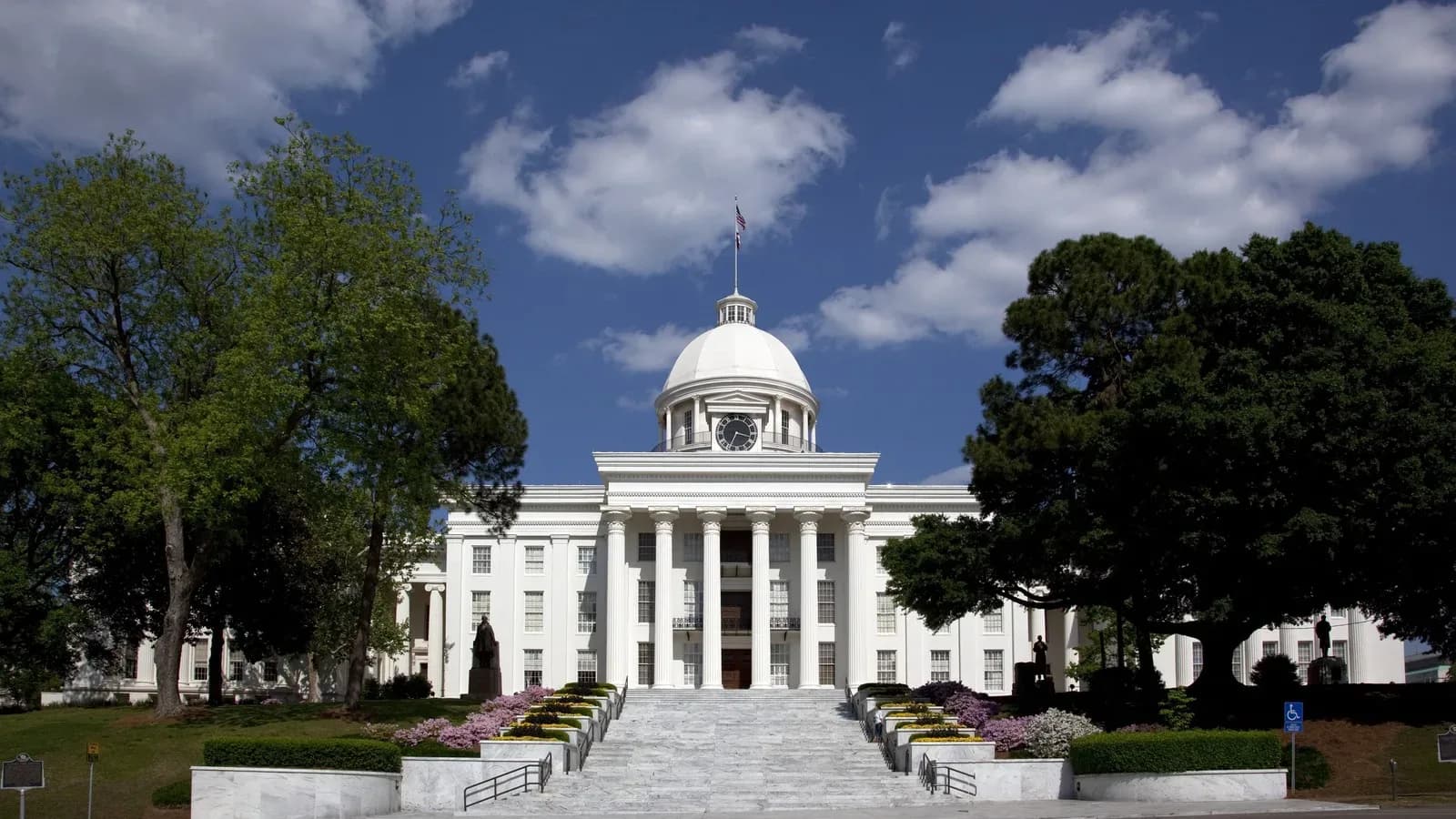
Released Monday, the 2026 ranking gave Alabama the highest overall score and Michigan the lowest in a review of laws affecting faith-based groups.
The facts come first below. My opinion follows in the section marked as opinion.
Napa Legal Institute, an advocacy group that works with religious organizations, released its 2026 Faith and Freedom Index on Monday, scoring state laws that affect faith-based, federally tax-exempt nonprofits in all 50 states and Washington, D.C., the institute said in a statement. The index reviews churches, religious schools, pregnancy resource centers and homeless shelters, among other organizations, and it evaluates laws across 15 areas, the statement said.
The institute's Monday statement said the highest overall scores went to Alabama and Indiana, and that the lowest overall scores went to Michigan, Washington and Massachusetts. The institute's own state index pages list overall scores of 80 percent for Alabama, 76 percent for Kansas, 75 percent for Indiana and 71 percent for Texas, and 34 percent for Michigan, 38 percent for Washington and 41 percent for Massachusetts. The Monday statement did not mention Kansas, which the index pages place second, just ahead of Indiana. Fox News, which said it obtained the report, published the same overall percentages.
The results "do not neatly fall along partisan lines," the institute said. There are "blue states" with important protections for faith-based nonprofits and "red states" with "much room for improvement," the statement said. New York received a higher score than North Dakota, South Carolina and Tennessee, the institute said. Connecticut and Illinois have religious freedom restoration acts, while Alaska and Ohio do not, and Hawaii and Maine have stronger employment-law protections for religious organizations than South Dakota and West Virginia, according to the statement.
Frank DeVito, the institute's senior counsel and director of content, said some of the most important laws for religious organizations "are not the 'hot-button' issues one would expect." Stronger religious freedom restoration acts, religious exclusions from burdensome "nondiscrimination" laws, and proper exemptions from regulations and state taxes are "crucial in allowing religious organizations to focus on their mission rather than time and resource-consuming legal compliance requirements," he said in the statement.
"Every good state law that helps rather than hinders the work of religious organizations is a victory," DeVito said in the statement. "Voters should consider how the laws in their states burden religion when they cast their votes."
The institute said some states have made progress since the 2025 index. Florida amended its nonprofit corporation laws to say that directors of a corporation engaged in religious activity may rely on religious authorities, such as priests, ministers and rabbis, when receiving advice on religious questions concerning the corporation, the statement said. Massachusetts raised the annual revenue threshold at which nonprofits that fundraise in the state must conduct a third-party audit from $200,000 to $500,000, and Rhode Island raised its audit threshold from $500,000 to $1,000,000, the institute said.
Dock Line has also reported on religious-liberty disputes in the courts, including that a judge ruled a Maine school committee discriminated against a church.
Opinion:
An index is not a court opinion, and one advocacy group's scoring system is not Scripture. It is still useful. The laws that quietly govern hiring, fundraising, emergency rules and tax treatment can help a church or a shelter do its work, or they can bury it in compliance. That is true in red states and blue states alike, which is one of the more honest things in this report.
Religious organizations exist to worship God and to serve people, including the poor, the unborn and the sick. They should not have to spend their strength on paperwork designed to make them act as if they do not believe what they believe. Alabama's high score and Michigan's last-place finish are worth a hard look by lawmakers, not a shrug. Voters, as the institute said, should consider how their own states treat the church before they vote again.