Pope Leo Calls Aid to Eastern Christians an Essential Work of Hope
In a Vatican audience Friday, the pope marked the Catholic Near East Welfare Association's 100th year and thanked it for aiding churches facing war and poverty.
The facts come first below. My opinion follows in the section marked as opinion.
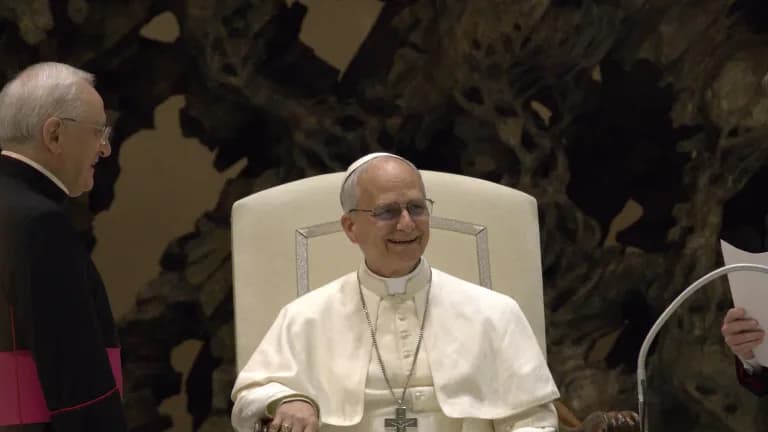
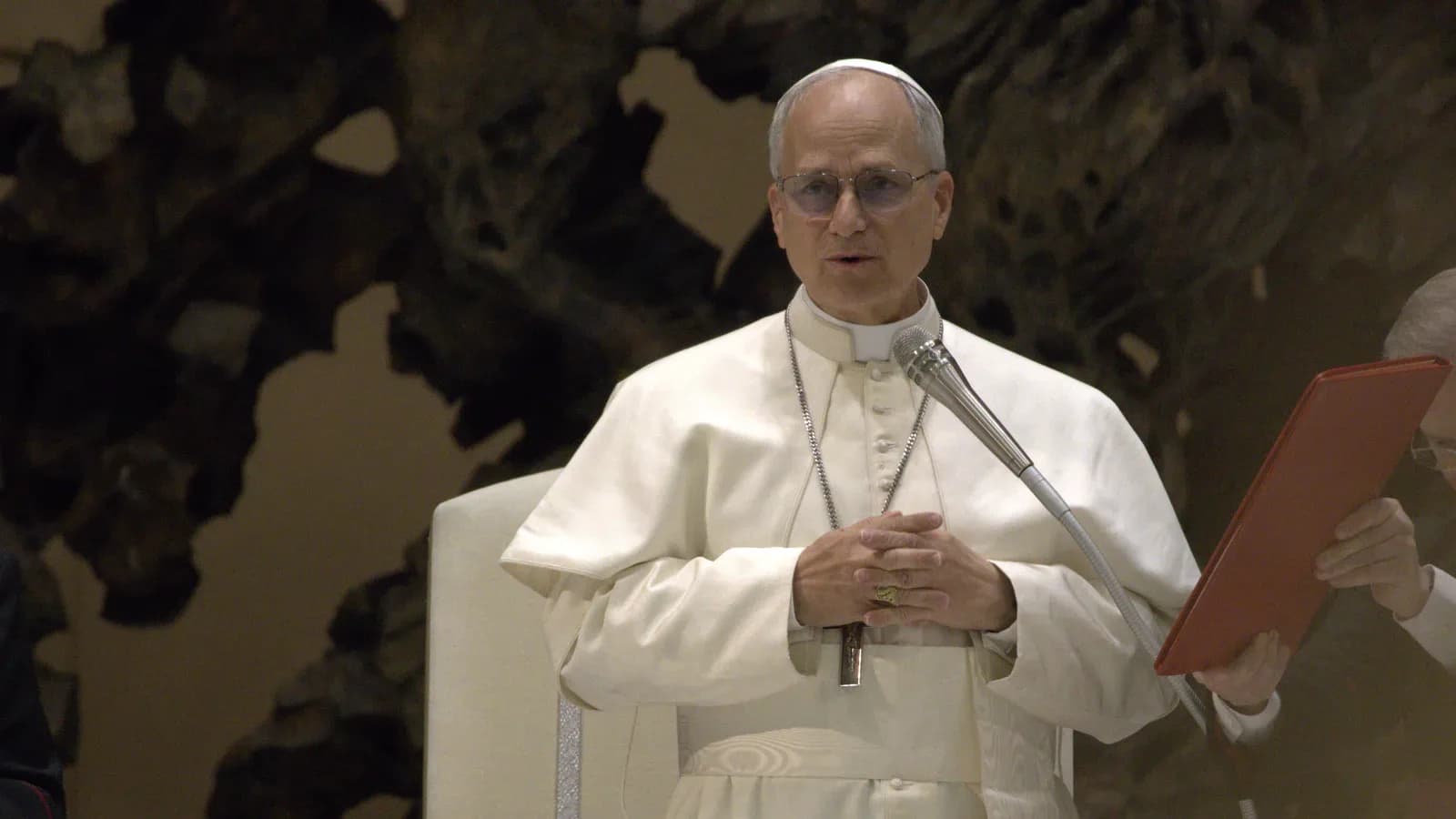
Pope Leo XIV told a Catholic aid delegation on Friday that staying with Christians of the East in their homelands is an essential work of hope, according to an official Vatican address and a report by Vatican News. The official bulletin said the pope received a delegation of the Catholic Near East Welfare Association, or CNEWA, this morning in the Vatican Apostolic Palace. The Friday audience was a separate meeting from Thursday's address to Caritas Internationalis, which Dock Line reported earlier.
In the published address, the pope greeted those gathered, including Sister Raffaella, to celebrate the centenary of the association's founding by Pope Pius XI. "On this significant occasion, I express deep gratitude for the generous service that the Association has rendered over the past hundred years to the Eastern Churches and to the many communities whom you are currently assisting that are facing poverty, conflict, displacement and other forms of suffering," he said. He also expressed appreciation for the group's ongoing support of the Dicastery for the Eastern Churches.
The pope described CNEWA as the "principal North American agency of the Holy See for pastoral and humanitarian assistance to these Churches," and as a founding member of the Meeting of Aid Agencies to the Eastern Churches, according to the official text. "Through your activities, the closeness of the universal Church is made concrete for countless people who might otherwise feel forgotten or abandoned," he said. He said the association's work has included supporting bishops and clergy, preparing men and women for leadership, strengthening Catholic education, caring for those in need, responding to emergencies, and accompanying local Churches in their ministry.
Vatican News, in a report dated Nov. 20, said the association was founded 100 years ago by Pope Pius XI and is dedicated to providing humanitarian and pastoral support to the people and Eastern Catholic Churches of the Middle East, northeastern Africa, India, and Eastern Europe. The site also said CNEWA offers education, healthcare, essential supplies, and emergency relief for refugees to anyone in need, no matter their religious affiliation.
The official address said the service is particularly necessary now. "Across the Middle East and in other regions, Eastern Christians continue to face the effects of war, persecution, instability and poverty," the pope said. "Many have therefore been obliged to depart from the lands in which their ancestors have lived and in which their Churches have proclaimed the Gospel since the earliest centuries of Christianity." He added, "When a Christian family is forced to leave its homeland, much more is lost than a place of residence: a community is weakened, a living tradition is placed at risk and the presence of the Church is diminished."
"For this reason, accompanying Christians of the East in their homelands is an essential work of hope," he said in the address. He said the association's presence is a reminder that those who are tempted to discouragement are not alone, and that helping families remain rooted in their communities also helps preserve the spiritual, liturgical, cultural, and human heritage of the Eastern Churches, "a treasure that belongs not only to these local communities but to the entire Catholic Church." The pope also entrusted to the Lord "those who have lost their lives amid war and violence, especially those who remained faithful to their communities and to their Christian heritage in the midst of great suffering."
"The assistance you provide is not merely humanitarian; it is also an expression of Christian fraternity and of the communion that unites the members of Christ's Body across nations, cultures and continents," he said, according to the official text. He asked that the Lord strengthen the association's commitment as it begins the next century of its history, and enable it to continue being a tangible sign of the "closeness, solidarity and loving concern of the universal Church for her Eastern sons and daughters."
The pope's appeal sits alongside other recent efforts to stand with endangered Christian communities, including Dock Line's earlier report that Aid to the Church in Need Opens Red Week for Persecuted Christians.
Opinion:
The pope named the right work, and he named the right loss. Food, medicine, and emergency relief matter. But he said the aid is "not merely humanitarian." When a Christian family is driven from the land where the Gospel has been preached since the first centuries, the Church does not only lose a mailing address. It loses a living community, a liturgy, and a witness that belongs to the whole Body of Christ. That is why he called accompanying Eastern Christians in their homelands "an essential work of hope." Hope, here, is not a slogan. It is the refusal to treat their disappearance as inevitable.
American Christians should hear that as a claim on us, not as a dispatch from a faraway ceremony. It is easy to admire the ancient Churches and then do nothing while war, poverty, and persecution empty their villages. CNEWA's work, as the pope described it, is to remain close enough that families can stay, and to remind them they are not forgotten. That is costly. It is also obedient. The East is not a museum of Christian memory. It is a present Church, and the rest of us will be poorer if it is allowed to fade.