King Charles Opens a New Church of England General Synod
The king opened a new five-year General Synod on Tuesday, speaking as supreme governor, the Church of England and the BBC reported.
The facts come first below. My opinion follows in the section marked as opinion.
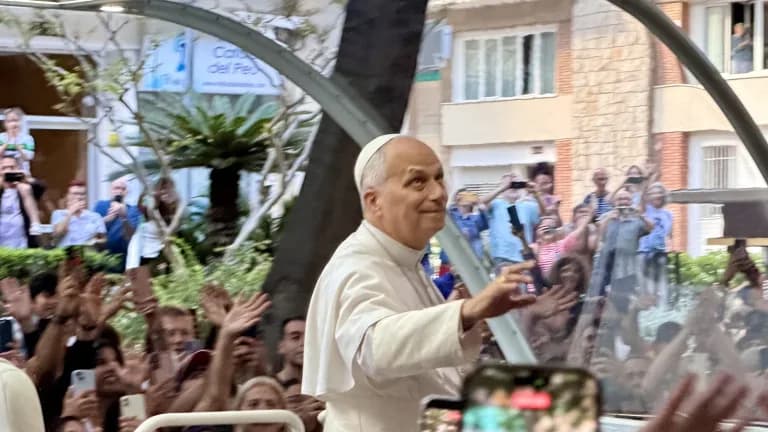
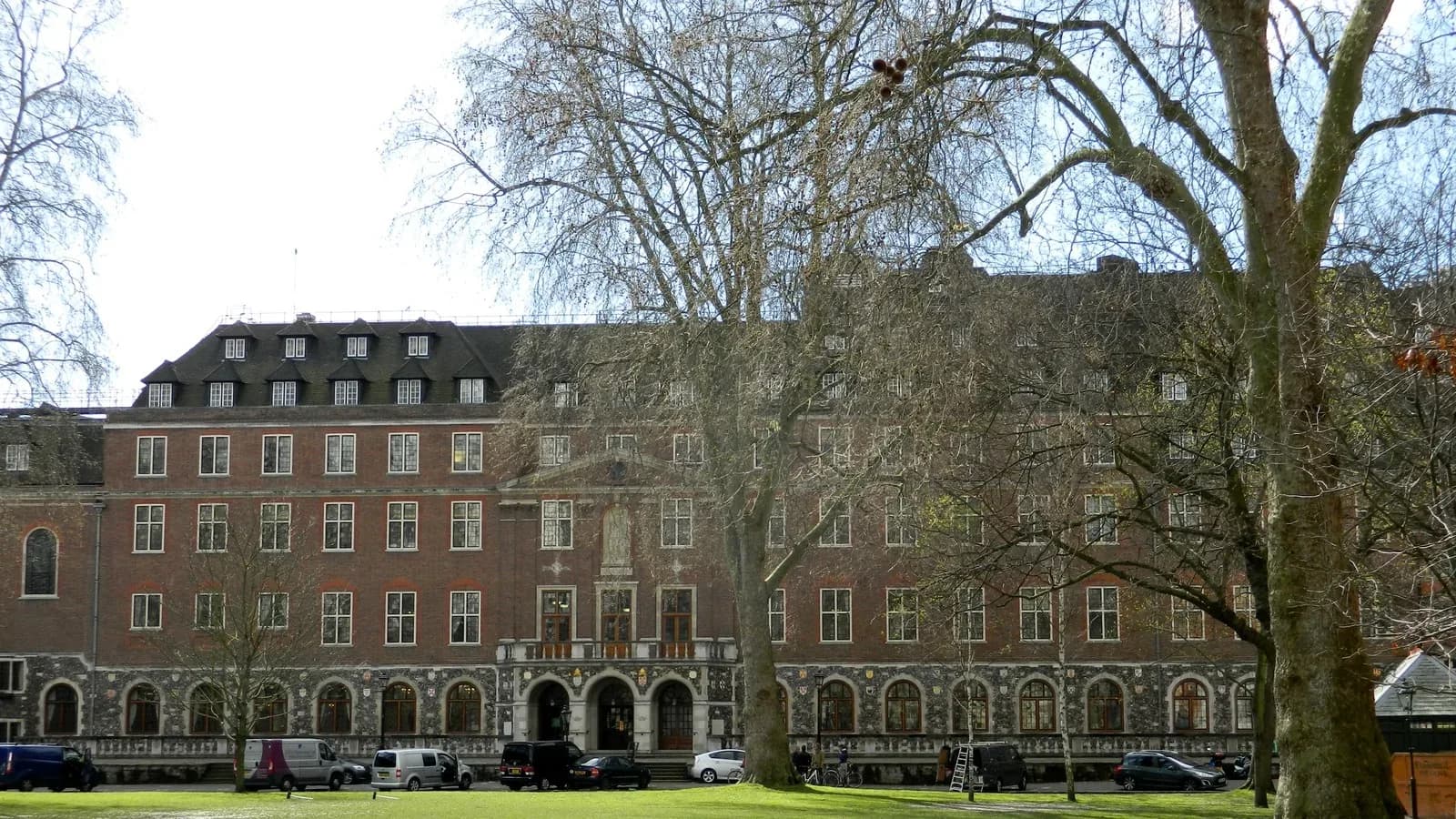
King Charles opened a new five-year General Synod of the Church of England on Tuesday, speaking as the church's supreme governor, according to an official Church of England account and a report by the BBC. The BBC said the day began with a worship service at Westminster Abbey, after which the king and Synod members moved to Church House in Westminster for the sovereign's address. The BBC said the assembly includes nearly 500 members, among them all of the church's bishops as well as clergy and lay people, many of them newly elected for a five-year term.
In the official text of his address, the king said it gave him "great pleasure to be with you for the first time" as a new Synod opened, and to be with Sarah Mullally as she presided over her first General Synod as archbishop of Canterbury. "As her successor, I share with all my heart and all my strength a humble commitment to the life of the Church, rooted in a deep and abiding Christian faith, following the teaching of Our Lord Jesus Christ," he said, speaking of his late mother, Queen Elizabeth II. The BBC reported that Elizabeth attended 10 Synod inauguration ceremonies after the assembly was established in 1970.
"I was baptised and confirmed into this faith which has developed and deepened across the decades of my life, to this day, providing the sustenance which nurtures and the compass which guides my every act as Sovereign," he said in the official text. He said he hoped Synod members would be "encouraged by the increasing numbers of people attending Church of England churches over each of the past five years."
He told the Synod, "The virtues revealed to us in the life of Christ remain as vital and compelling today as ever: to seek after justice and mercy, Godliness and faith, patience and humility and, above all, love." In a world "too often marked by uncertainty and anxiety," he said, "such virtues speak to the deepest needs of every human heart and offer a lasting source of hope for us all."
The king also said that, "at a time when our society can feel divided, it is all the more important that the Church of England continues to extend its ministry among all the people of this country." In a passage quoted by both the Church of England and the BBC, he said: "The Church protects not just the Christian Faith of all of us gathered in this room, but the very space for Faith itself – of every belief – within our whole society and national discourse." The BBC recalled that in 1994, then-Prince Charles spoke of a desire to be seen as "Defender of Faith" rather than "Defender of the Faith," later clarified that he had not intended to abandon his Church of England role, and said that at his 2023 coronation he maintained the traditional oath to be "Defender of the Faith."
He asked Synod members to remember "those Christian communities which endure persecution, violence or displacement in different parts of the world today." He said, "I think particularly of those ancient Christian communities of the Middle East and the Holy Land, whose faithful witness has been maintained across the centuries despite immense challenges." "Their perseverance reminds us of the enduring power of faith, hope and love," he said. "Our brothers and sisters in Christ are not, and never shall be, far from our hearts or our minds."
He also said some Synod debates would "no doubt involve differing views and strong feelings," and hoped the discussions would be "imbued with the love of God, and a spirit of fellowship and unity." Archbishop Mullally, welcoming the king, said it was an "honour" to have him at the Synod and pointed to "the growing numbers of people who are returning to our churches, seeking meaning, community, purpose – and an encounter with the living God," according to the Church of England.
The address comes in a week when Dock Line has also reported that Aid to the Church in Need has opened Red Week for persecuted Christians.
Opinion:
A king who says his faith in Jesus Christ is the compass of his life is saying something the modern world is shy to say out loud. The virtues he named are the fruit of the life of Christ, not a civic slogan. His call to pray for persecuted Christians in the Middle East and the Holy Land should be more than a ceremonial sentence. The Church of England is not merely a caretaker of space for every belief. A nation should protect the freedom to worship; that is not the same as treating the gospel as one option among many. If people are coming back to the churches, they are coming, as the archbishop said, in search of the living God. The Synod should offer them Christ.