Pope Leo XIV Says There Is No Room for Resignation to Violence
In his Wednesday general audience, the pope said peace must be built ceaselessly and recalled that governments retain the right to legitimate defense.
The facts come first below. My opinion follows in the section marked as opinion.
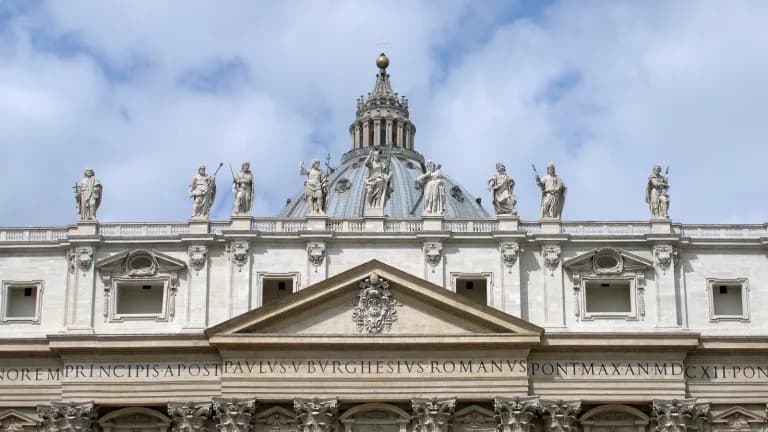
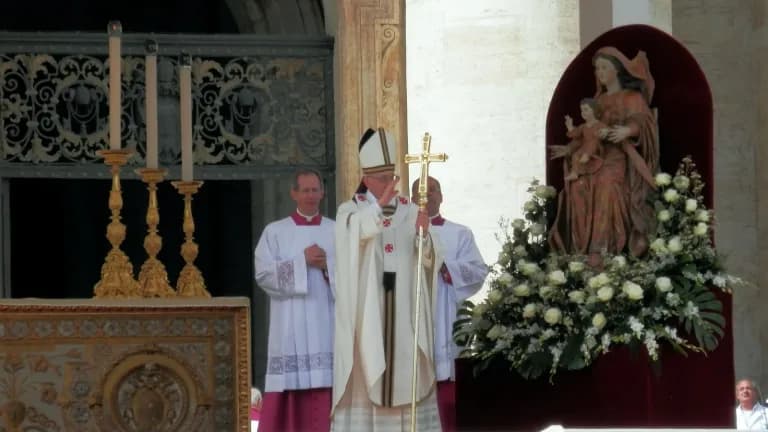
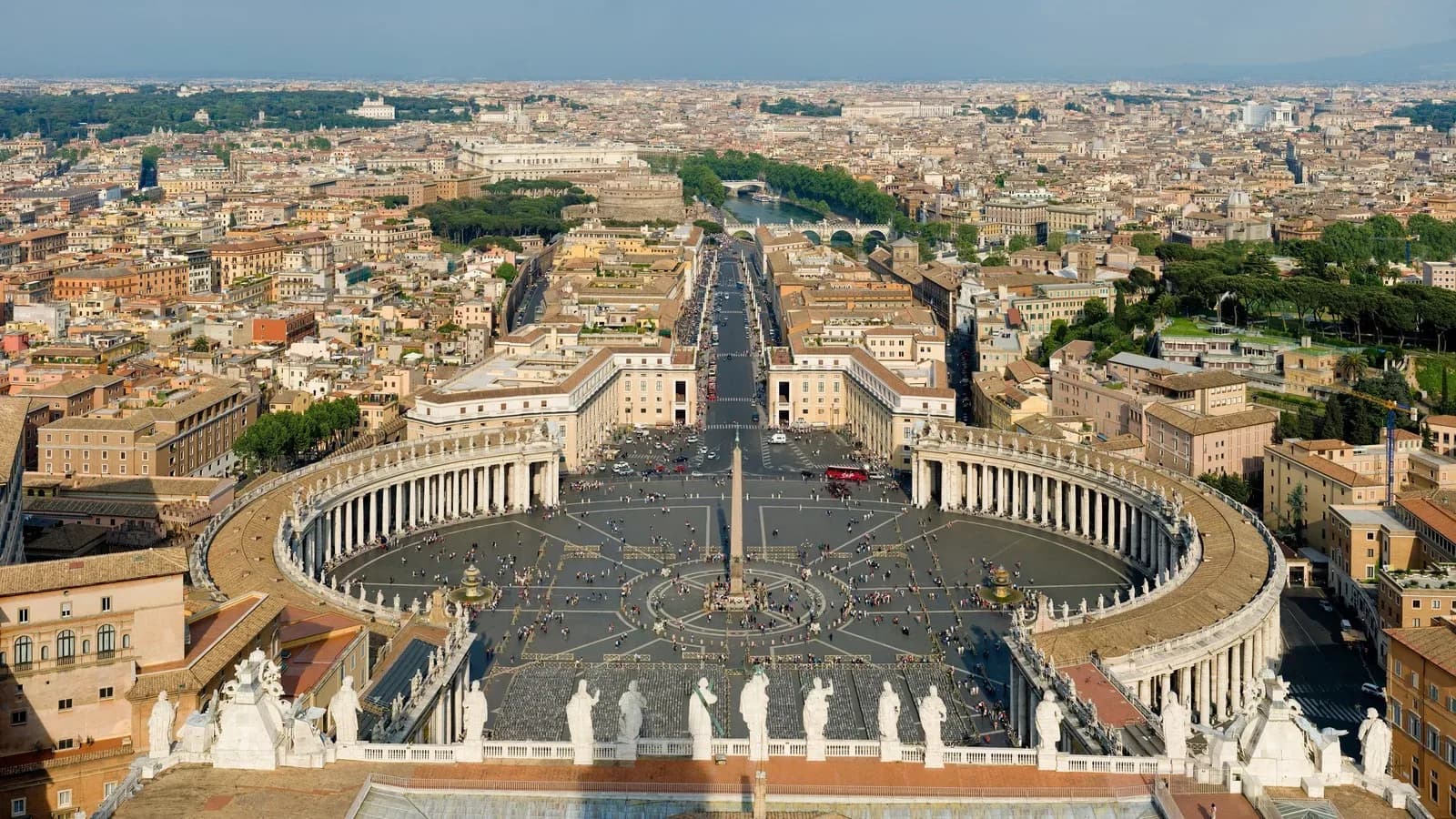
Pope Leo XIV said on Wednesday that Christians must not treat violence as inevitable, continuing a catechesis on the Second Vatican Council's teaching on peace during his weekly general audience in St. Peter's Square, according to the official English text of the audience and reports by Vatican News and ANSA.
The pope was reflecting on Chapter V of the Pastoral Constitution Gaudium et Spes, dedicated to the promotion of peace. "The teaching of Gaudium et Spes is not at all naïve," he said, according to the Holy See. Aware of human sin, he added, the Council taught that peace is never attained once and for all but must be built up ceaselessly. "Therefore, there is no room for resignation, as if violence were inevitable," the pope said.
Peace, he taught, springs from the cross of Christ and is offered as the fruit of redemption. It is both a gift of grace and a commitment to be lived, he said, according to the official text, in keeping with the beatitude, "Blessed are the peacemakers, for they shall be called sons of God." He called on all people to break the ideological and economic chains that enslave them to war, and he repeated the Council's warning that the arms race is a treacherous trap that ensnares the poor.
The pope also pointed to what he described as hybrid forms of conflict in a digital age, including cyberattacks, the manipulation of information, campaigns of influence and the automation of strategic decisions. "What is created for defence can be rapidly repurposed for offence, and the fine line between protection and aggression becomes blurred," he said, citing the document Magnifica Humanitas, according to the official text. ANSA reported that he lamented those hybrid forms of warfare and the increasingly inhuman nature of conflict.
The same catechesis held together a condemnation of war and the Council's teaching on self-defense. Quoting Gaudium et Spes, the pope said "governments cannot be denied the right to legitimate defence," while also pointing to the need for international bodies that can restore justice and defend the oppressed. Christians, he said, are called to be the salt of the earth and the light of the world, working for peace through prayer and through consistent social and political choices, always taking Christ, who is our peace, as the guiding principle.
At the close of the audience, the pope turned to COP31, the U.N. climate conference that recently concluded in Antalya. It is "a cause for concern that COP31 ended without the adoption by the international community of clear commitments to tackle the crisis seriously and responsibly," he said, according to the official text. "Let us never forget the human face of the climate crisis," he added, appealing for a culture of care for creation that places at its center "the dignity bestowed by God upon every human being, the common good and solidarity with the poorest and with future generations."
In a greeting to English-speaking pilgrims, including visitors from the United States, the pope noted that the Church is preparing to begin Advent. Last week's Vatican notice setting the pope's Christmas liturgies, reported in Vatican Releases Pope Leo's Schedule for Christmas Liturgies, already marked that season on the calendar.
Opinion:
The pope's Wednesday audience is not a peace slogan. It is a reminder that the Gospel does not shrug at bloodshed, and that it also does not pretend nations may never defend their people. "There is no room for resignation, as if violence were inevitable," he said, according to the Holy See. That line cuts two ways. Christians are not free to grow numb to war. Governments are not free to treat the right of legitimate defense as if it had been abolished.
The Council's warning about an arms race that traps the poor is not a call to leave the innocent unprotected. It is a call to count the cost of treating weapons as an end in themselves. The pope's words on hybrid warfare make the same point in a new key: what is built to defend can be turned to attack, and lies can travel as far as missiles. A serious country should take that seriously without surrendering the duty to protect its people.
His closing appeal on creation should be read in the terms he used, not as a partisan platform. He placed at the center the dignity God bestows on every human being, the common good, and solidarity with the poorest. That is Christian language. Peace, as he taught, comes from the cross of Christ. It is a gift, and it is work. The right response is conversion of heart, not despair and not a politics that forgets either the victim or the legitimate duty to defend.